IN Brief:
- Nestlé USA has opened a 700,000 sq ft distribution centre in Arvin, California.
- The facility includes the largest automated storage and retrieval system in Nestlé’s global network.
- The site is planned to source 100% renewable electricity and operate as zero waste for disposal.
Nestlé USA has opened a 700,000 sq ft distribution centre in Arvin, California, adding its largest and most technologically advanced distribution facility to date.
The site will support West Coast distribution for brands including Nestlé Toll House, Coffee mate, and Gerber. Nestlé invested more than $330m in the facility as part of a wider $25bn commitment to strengthen its US operations over 10 years from 2020, including manufacturing, distribution, digital supply chain capability, and research and development.
The Arvin facility uses targeted automation to increase agility, resilience, and peak-season capacity. It is expected to create more than 110 high-skilled jobs in the local community, with technical systems intended to support training, upskilling, and career progression.
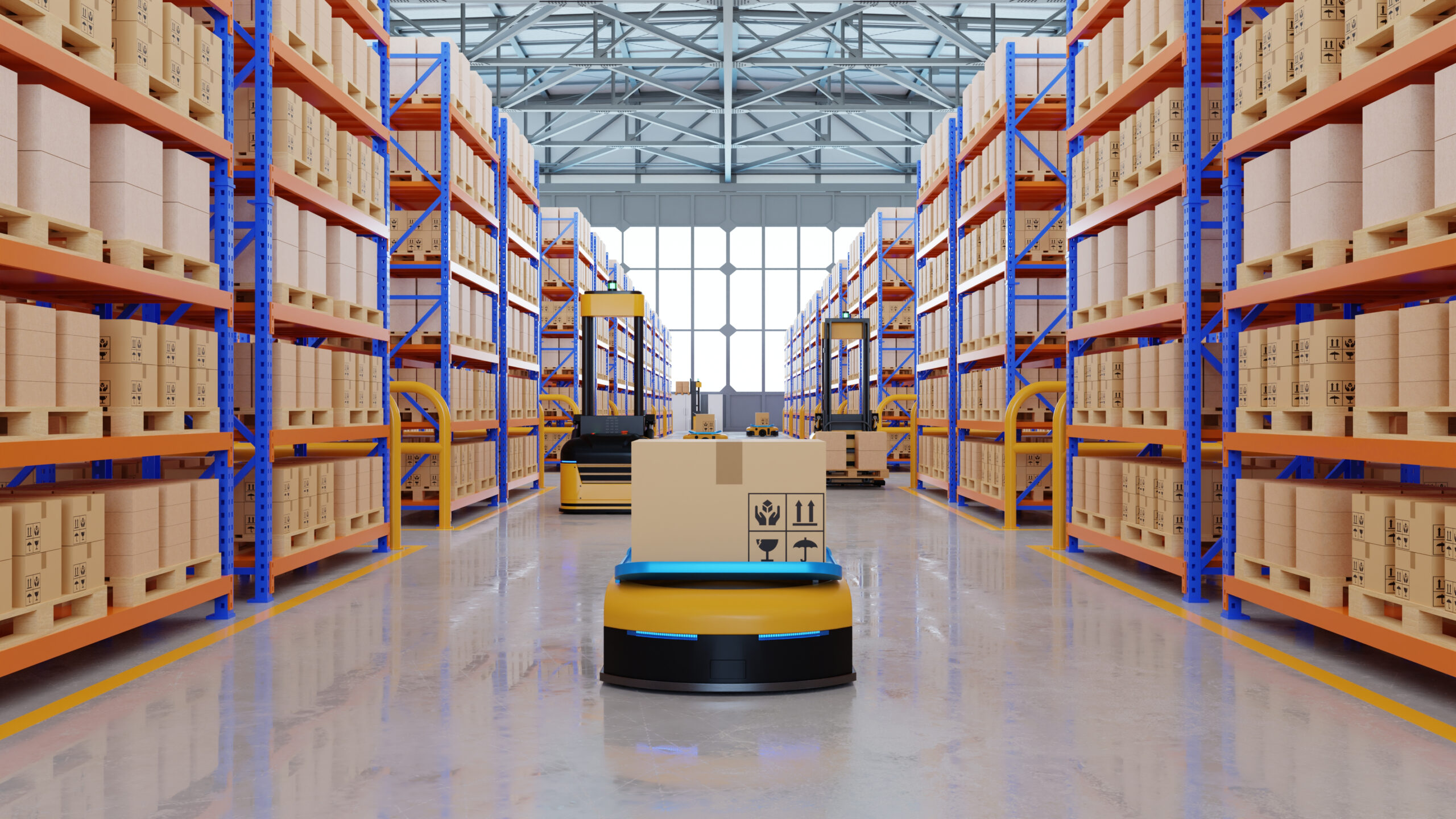
The centre includes the largest automated storage and retrieval system in Nestlé’s global network. The system will handle shelf-stable goods from dock to delivery with higher accuracy, reducing repetitive and physically demanding work while giving employees more technical oversight roles.
Marty Thompson, chief executive officer of Nestlé USA, said: “Our investment in the new Arvin Distribution Center reflects how we’re building Nestlé for the future, modernizing our supply chain and delivering for our customers and consumers with greater speed and precision. This state-of-the art, digitally enabled facility enhances our ability to meet growing demand across our portfolio and reinforces our long term commitment to investing and growing in the United States.”
Sustainability measures have been built into the site’s operating model. Nestlé aims to source all of the facility’s electricity from renewable sources, including solar and wind power. The building is also planned to be zero waste for disposal, with waste materials recycled, composted, or recovered for energy rather than sent to landfill.
Food distribution has become a more active target for advanced automation as manufacturers manage higher service expectations, promotional peaks, labour pressure, and inventory accuracy. Shelf-stable products may be less temperature-sensitive than chilled goods, but they still require disciplined batch control, retail service reliability, packaging integrity, and efficient movement from production into customer channels.
The investment sits alongside a wider pattern of food logistics capacity being rebuilt around automation and regional resilience. In the UK, Domino’s has opened a £25m Avonmouth supply chain centre with automation planned to improve loading and unloading consistency. Nestlé’s Arvin site is much larger, but both projects show food networks being redesigned around capacity, accuracy, and labour support.
Automated storage and retrieval can alter warehouse economics by improving storage density, reducing manual travel, and giving tighter control over inventory movement. The strongest results come when automation is integrated with upstream production and downstream transport planning. A fast automated store will not deliver resilience if order release, replenishment, transport scheduling, and labour planning remain fragmented.
The workforce model is also changing. Automated warehouses still need people, but their roles move further towards system oversight, exception management, maintenance coordination, safety control, and process improvement. That shift requires training investment and a different view of frontline warehouse skills.
The sustainability design adds another layer. Renewable electricity becomes more valuable as warehouse operations electrify, while zero-waste planning demands process control across packaging, damaged goods, consumables, and supplier handling. Food manufacturers are under increasing pressure to show progress on emissions and waste without weakening service reliability.
Arvin is Nestlé’s second new high-tech US distribution centre in two years, following its beverage factory and distribution centre in Glendale, Arizona. The new site expands West Coast capacity while showing how large food manufacturers are tying automation, sustainability, and network resilience into one investment decision.