IN Brief:
- InPost has expanded its UK parcel locker network to 15,000 locations.
- The network covers supermarkets, retail parks, transport hubs, and residential areas.
- The expansion strengthens out-of-home delivery and returns capacity as home delivery costs remain under pressure.
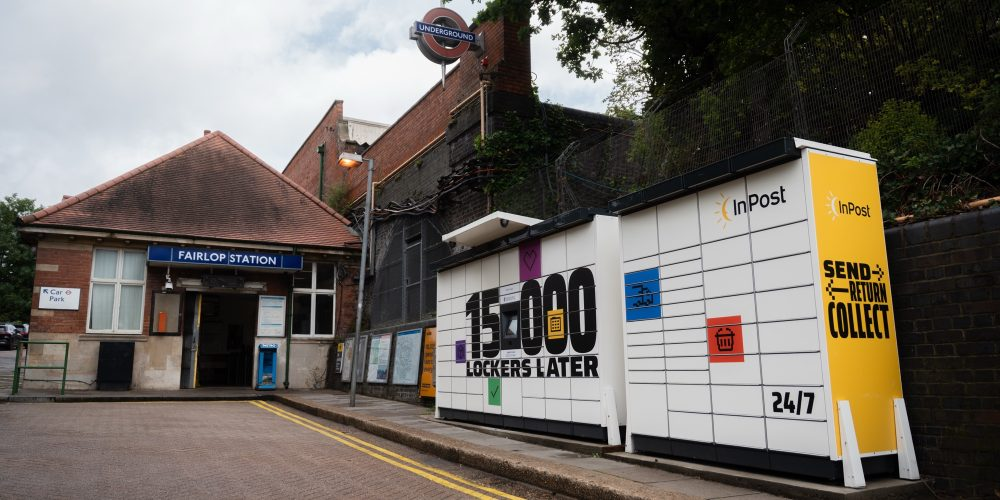
InPost has expanded its UK parcel locker network to 15,000 locations, adding out-of-home delivery and returns capacity across supermarkets, retail parks, transport hubs, and residential areas.
The milestone gives retailers, carriers, and ecommerce operators a denser infrastructure layer for parcel collection and returns. The network offers 24/7 access in many locations, giving customers more control while allowing parcel operators to consolidate deliveries into fewer stopping points.
Michael Rouse, chief executive of InPost International, said: “When consumers are given real choice, behaviour changes fast. More control, more certainty, delivery that fits around how people actually live. That’s what out of home enables and why it’s no longer a niche preference. It’s becoming the expectation.”
Out-of-home delivery has moved from a convenience option into a structural part of retail logistics. Failed home deliveries create avoidable cost through repeated delivery attempts, driver time, customer service contact, reprocessing, and delayed receipt. Returns create a second flow in the opposite direction, often through networks that were originally built around outbound parcels.
Parcel lockers improve the economics of both flows when density and location are strong enough. A carrier delivering multiple parcels to one locker bank can reduce unsuccessful doorstep visits, while customers can collect or return parcels around work, commuting, or shopping patterns. The model relies on a network that is visible, trusted, and close enough to routine journeys.
Retail fulfilment investment is increasingly extending from warehouse automation into the final handover point. The same pressure is visible in DHL’s Derby ecommerce hub with George at Asda, where fulfilment capacity is being shaped around higher online volumes and operational flexibility. Lockers address the customer-facing end of that chain, where delivery reliability and returns convenience can determine whether warehouse efficiency is preserved or lost.
Returns are particularly important. Ecommerce growth has made reverse logistics a routine operating burden rather than a seasonal exception. Fashion, consumer goods, electronics, and marketplace retail all face high volumes of returns, with pressure to process goods quickly enough for resale, refund, repair, or disposal decisions. Locker-based returns can simplify the customer step while giving carriers predictable collection points.
There are operational limits. Locker networks need enough available capacity at the right times, integration with retailer checkout systems, clear customer communication, carrier compatibility, and effective servicing. A full locker can shift friction back into the network, while poor location planning can leave capacity underused. The strength of the model rests on density and operational discipline.
Physical retail estates are also gaining a logistics role. Supermarkets, convenience stores, transport hubs, and retail parks can provide parcel infrastructure in locations people already visit. Site hosts gain additional footfall and service value, while parcel operators gain safe, visible, and accessible locations without building standalone collection sites.
InPost’s UK network scale makes lockers harder to treat as a niche delivery preference. Home delivery will remain central, but out-of-home options are becoming a normal part of carrier selection, retail checkout design, and returns strategy. The network has reached the point where parcel lockers can influence logistics planning rather than simply respond to consumer demand.