IN Brief:
- PepsiCo has added a 15,000 sq m warehouse at Tyniec Mały, near Wrocław.
- The site is operated with ID Logistics and will support deliveries into Germany.
- The facility joins two existing distribution centres and a transport hub in PepsiCo’s Polish network.
PepsiCo has expanded its Polish logistics network with a 15,000 sq m warehouse at Tyniec Mały, near Wrocław, adding capacity for deliveries into the German market.
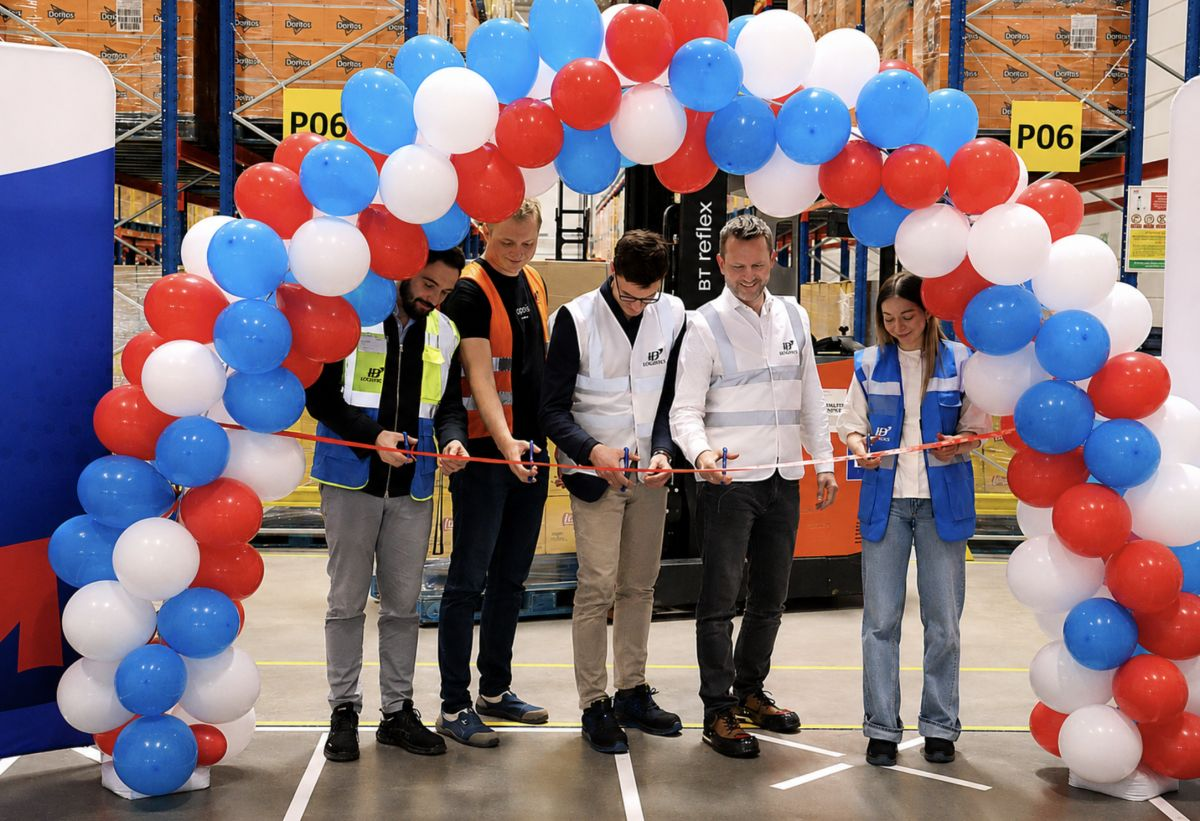
The facility has opened with ID Logistics and extends an established partnership between the two companies in Poland. It joins two existing distribution centres with a combined area of 81,000 sq m and a transport hub in Mszczonów, giving PepsiCo additional reach across a corridor closely tied to German-facing flows.
Around 50 people are expected to work at the new centre. The site will support cross-border distribution and is expected to add co-packing capability for retail chains, giving the operation a role beyond storage and pallet dispatch.
Food and beverage logistics has become more complex as manufacturers balance retailer service levels, promotional peaks, shelf-life requirements, packaging variation, and export demand. A warehouse that can support co-packing and cross-border delivery gives operators greater flexibility close to customer markets, especially when retail orders require channel-specific presentation or rapid product configuration.
Poland’s position in European food and beverage distribution continues to strengthen. The country combines manufacturing capacity, competitive warehousing markets, labour availability, and strong road access into Germany, Czechia, Slovakia, and the Baltic region. For companies serving western European retailers, Polish warehouse capacity can support both domestic distribution and export-led fulfilment.
The Wrocław location gives PepsiCo access to south-western Poland’s transport links while keeping the operation close to a major European consumer market. That geography is shaping logistics decisions across several sectors, as companies configure networks around regional reach rather than national boundaries alone.
Foodservice and retail food networks have been investing heavily in capacity and automation. In the UK, Domino’s has opened a £25m Avonmouth supply chain centre to strengthen regional service and prepare for automated loading and unloading. PepsiCo’s Wrocław expansion operates at a different point in the market, but the operational direction is similar: capacity is being placed where it can support faster, more reliable fulfilment.
Co-packing gives the site an added layer of operational value. Retail-ready formats, promotional packs, labelling, and customer-specific configurations can all create bottlenecks if they are handled too far upstream or too late in the fulfilment process. Bringing those services closer to distribution can shorten lead times and reduce pressure on manufacturing sites.
ID Logistics’ role also reflects the changing demands placed on contract logistics providers. Large food and FMCG customers expect labour management, warehousing, transport coordination, value-added services, data visibility, sustainability support, and the ability to flex around demand shifts. The operator’s commercial value increasingly rests on process control as much as physical capacity.
European food supply chains remain exposed to energy costs, labour pressure, packaging changes, and retailer expectations for high service reliability. Additional warehouse capacity can absorb volume, but it only adds real resilience when transport access, systems, workforce planning, and customer-specific handling are aligned. The Tyniec Mały site appears designed around that combination.
PepsiCo’s latest Polish expansion adds another node to a network already serving domestic and cross-border flows. As food and beverage logistics becomes more regional, more customised, and more service-led, facilities near major European corridors will continue to carry a larger share of operational responsibility.