IN Brief:
- Shanghai handled 203,881 TEU on 1 August, nearly 9% above its previous daily record.
- The result followed four days of weather disruption and a concentrated return of deep-sea and feeder vessels.
- Sustained recovery depends on yard flow, inland evacuation, equipment circulation, and schedule normalisation beyond the quay.
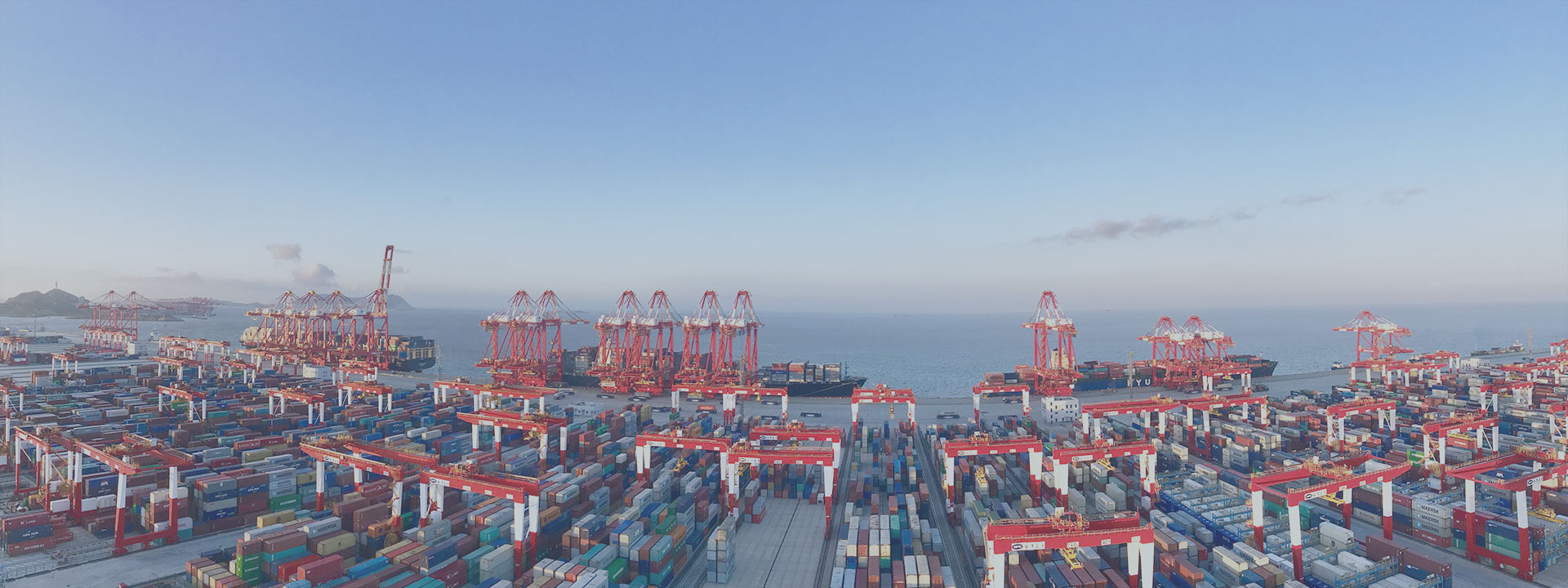
Shanghai International Port Group has set a new daily container-handling record after the Port of Shanghai processed 203,881 twenty-foot equivalent units on 1 August.
The result took daily throughput above 200,000 TEU for the first time and was nearly 9% higher than the previous record of 187,312 TEU, set on 9 June. One operating shift accounted for 71,728 TEU, itself a new high for the port.
The headline number arrived during a concentrated recovery rather than an ordinary traffic day. Four days of disruption associated with Typhoon Bavi had interrupted operations in mid-July, leaving deep-sea and feeder vessels to return in a compressed sequence after sheltering from the weather.
SIPG said full operations resumed on 14 July and average daily throughput held at around 172,000 TEU while the port cleared delayed vessels and containers. The 1 August record therefore reflects both the scale of Shanghai’s underlying traffic and the amount of work pushed through the system as schedules normalised.
Recovery tested the whole port system
High crane productivity is only one part of a container port’s recovery. Vessels need berths, export boxes need yard positions, imports have to move towards truck, rail, and barge connections, and empty equipment must be repositioned without obstructing live cargo.
A weather closure compresses each of those flows. Ships that would normally arrive across several days can reach the approaches together, while import dwell and export cut-off pressures build inside terminals. The operating challenge is not simply to handle more boxes over the quay, but to prevent the surge from moving congestion into yards, gates, depots, and inland transport.
Several Shanghai terminals also posted individual records during the recovery. The automated fourth phase of Yangshan Deep-Water Port handled 29,910 TEU on 1 August, while the Luojing container terminal processed 8,373 TEU.
Yangshan’s performance is particularly relevant because automated terminals are assessed on consistency as much as peak output. Automated cranes, guided transport, yard systems, and terminal software can support sustained movements, but only when vessel planning, equipment availability, maintenance, and landside evacuation remain aligned.
The wider port network provides some flexibility. Shanghai’s public container terminals are distributed across the Yangshan, Waigaoqiao, and Wusong areas, allowing the operator to manage different vessel sizes, services, and cargo patterns. That scale, however, also increases the coordination burden when disruption affects several terminals and shipping lines at once.
The latest result should be read carefully. A record day demonstrates that the port could absorb an exceptional concentration of work, but it does not establish 203,881 TEU as a normal daily baseline. Recovery throughput can be inflated by delayed cargo, additional shifts, exceptional equipment deployment, and tightly sequenced vessel calls that would be difficult to sustain.
Comparable port records make the same point. Los Angeles passed one million TEU during its record June without a significant vessel backlog, while other gateways have found that strong quay performance can coexist with slower inland evacuation. The operational test is whether containers continue moving after they leave the ship.
Growth raises the cost of interruption
Shanghai handled more than 28 million TEU during the first half of 2026, an increase of 6.2% from a year earlier. Volumes at the Yangshan port area exceeded 15 million TEU, rising 8.1%.
That growth follows a record 55.06 million TEU in 2025, when throughput increased 6.9% and Shanghai retained its position as the world’s largest container port for a sixteenth consecutive year. Each additional increment makes reliability more important because a short closure affects a larger number of vessels, boxes, hauliers, warehouses, and manufacturing schedules.
For shippers, the recovery offers both reassurance and a warning. The port restored operations and processed the accumulated traffic at exceptional speed, reducing the risk of a prolonged maritime backlog. Yet compressed arrivals can still disturb equipment availability, customs work, trucking appointments, and feeder connections even when terminal statistics improve quickly.
Manufacturers and importers exposed to Shanghai should therefore distinguish vessel clearance from complete supply chain recovery. A container counted in the terminal throughput figure may still face a missed rail departure, a revised feeder connection, a truck booking delay, or congestion at the destination warehouse.
The new daily record proves that Shanghai can mobilise considerable terminal capacity after disruption. The more useful measure will be how quickly vessel schedules, yard density, equipment circulation, and inland flows return to ordinary operating ranges once the surge has passed.