IN Brief:
- SAL has acquired 100% of Aviapartner Liège for approximately €28 million.
- The Belgian operation becomes SAL’s first owned operating base outside Saudi Arabia.
- Liège adds cargo handling, warehouse logistics, and specialist freight capability in Europe.
SAL Logistics Services has completed its acquisition of Aviapartner Liège, giving the Saudi cargo handling and logistics company its first operational base outside the Kingdom. The transaction transfers 100% of the Belgian business to SAL and expands the company’s network to 20 stations.
SAL paid approximately SAR120 million, equivalent to €28 million, in cash from internal resources after securing the required regulatory approvals. Completion converts an agreement signed in March into an operating foothold at Liège Airport, one of Europe’s largest cargo gateways.
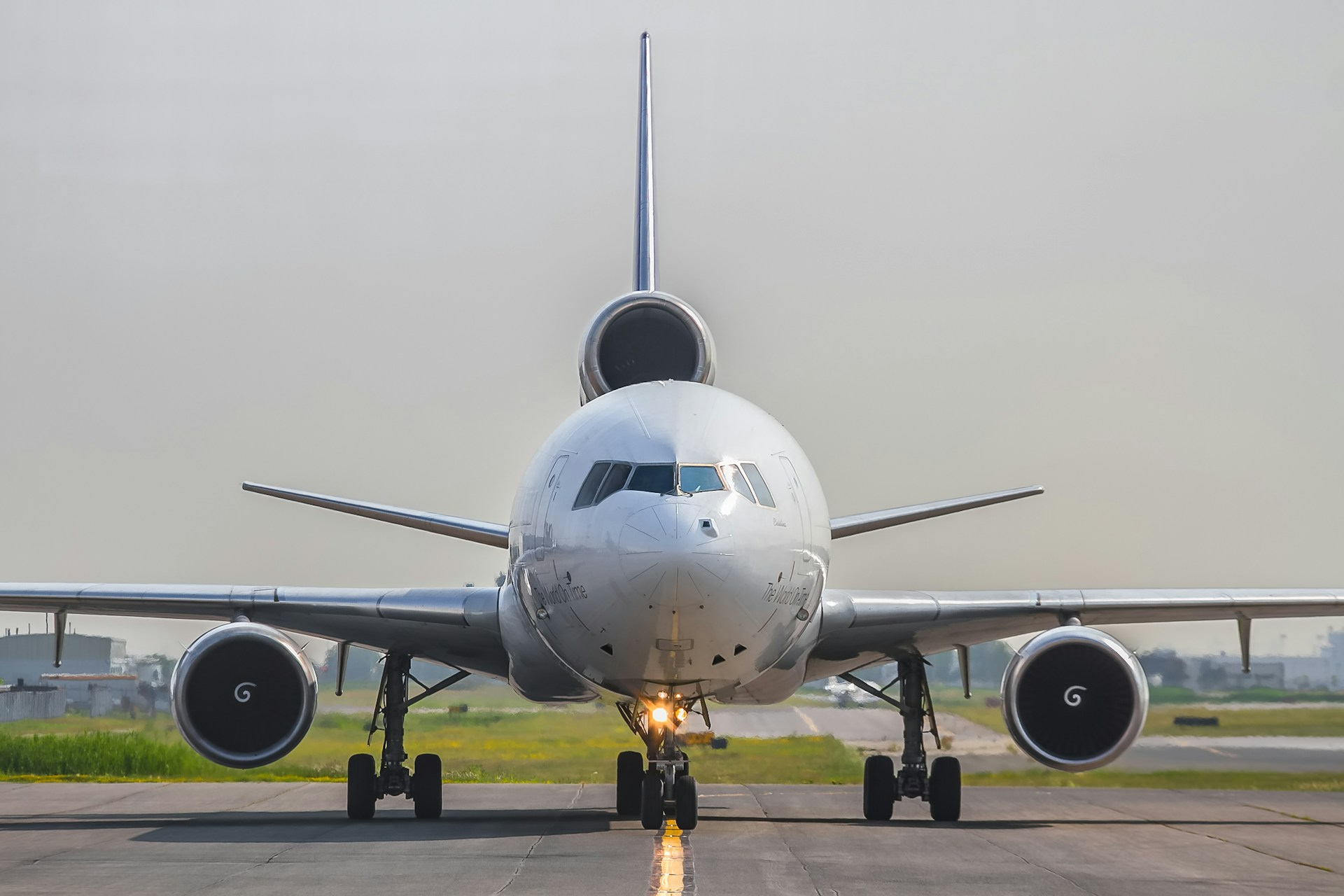
Liège handles more than one million tonnes of freight annually and operates without a night-time curfew, allowing cargo aircraft, handlers, warehouses, and road feeders to work across a continuous schedule. SAL describes the airport as Europe’s fifth-largest cargo hub by volume and says traffic has increased by more than 50% since 2018.
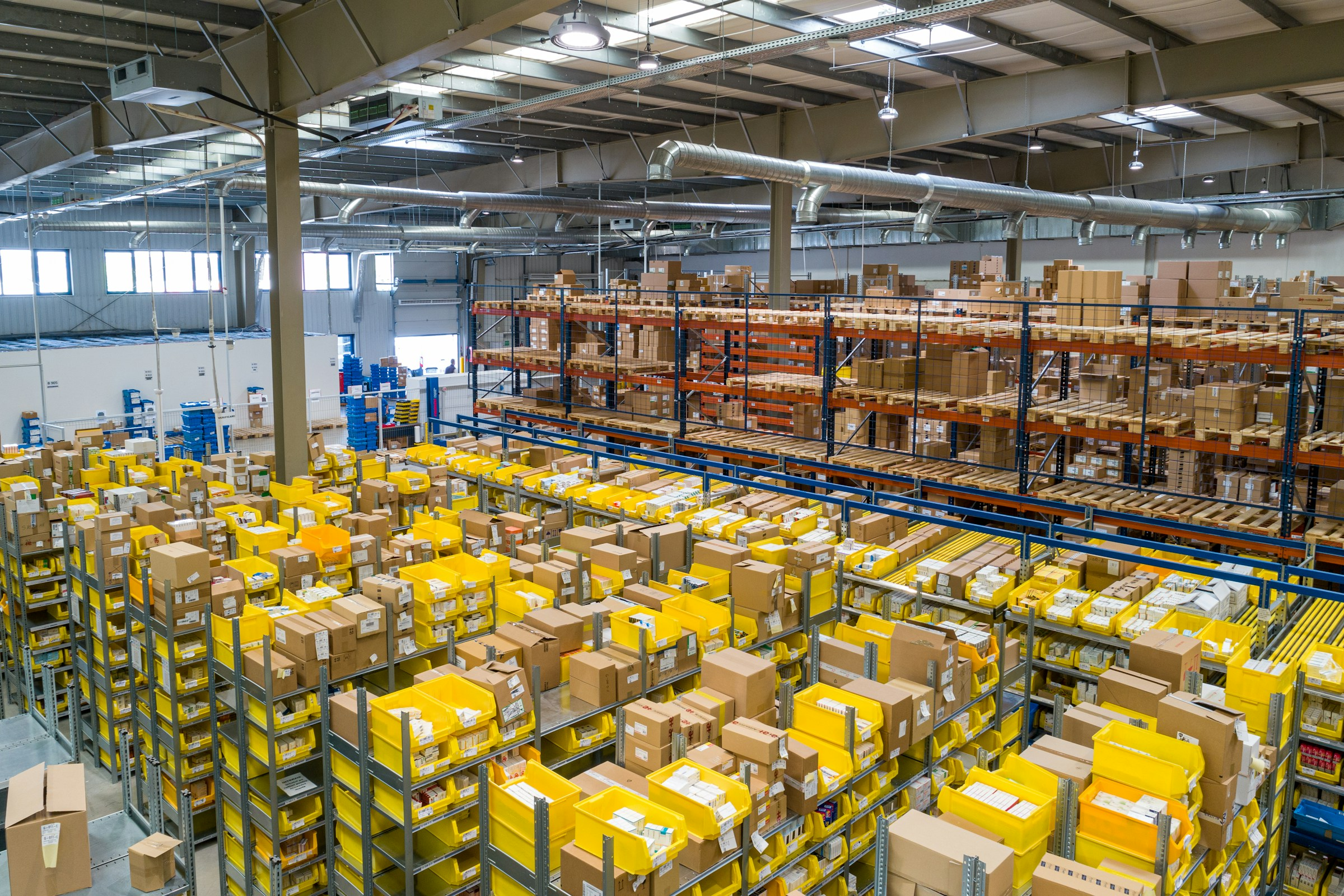
The acquired business adds an established handling operation rather than a representative office or commercial partnership. Aviapartner Liège provides cargo handling, ramp assistance, warehouse logistics, and specialist processing for pharmaceuticals, perishables, automotive freight, and other high-value consignments. SAL gains immediate access to staff, customer relationships, airport procedures, and operating infrastructure that would take longer to build independently.
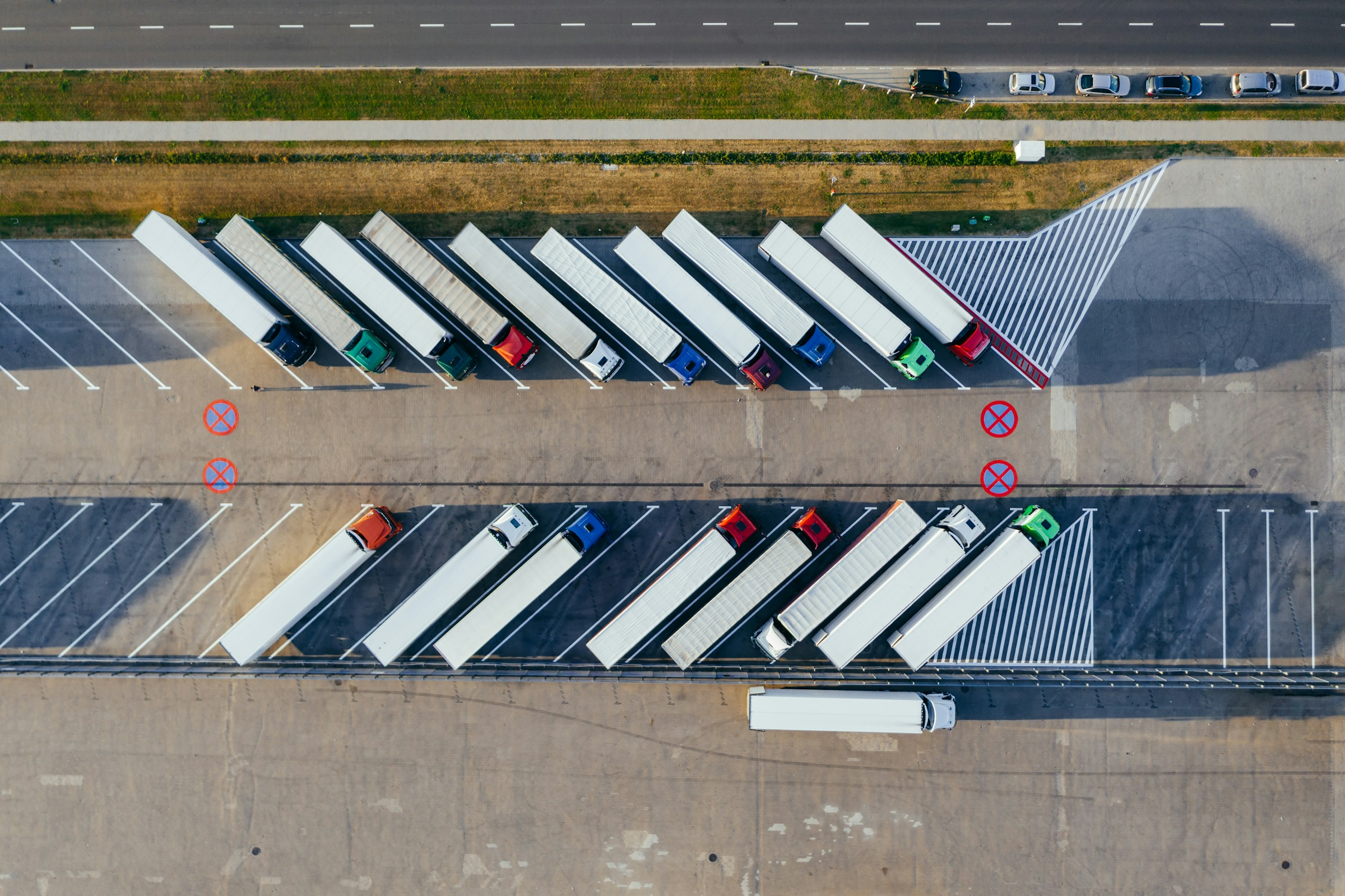
Location is central to the transaction. Liège sits within reach of industrial and consumer markets in Belgium, Germany, the Netherlands, France, and Luxembourg, with road connections supporting onward distribution. Fast uplift has limited value when freight cannot move efficiently between the apron, warehouse, customs process, and final destination, so the airport’s landside network is as important as its runway availability.
SAL’s existing business is centred on cargo handling and logistics services across Saudi Arabia’s airports, including major operations in Jeddah, Riyadh, Dammam, and Medina. Liège adds a European node that can connect those activities with airlines, forwarders, and cargo owners using one of the continent’s principal freighter airports.
The company expects operational links across air cargo handling, specialist freight processing, warehouse services, and road distribution. Ownership alone will not create those connections. Systems, service standards, customer contracts, and operating procedures must be aligned while the Liège business continues to handle live cargo within tightly controlled airport schedules.
Specialist freight brings both opportunity and exposure. Pharmaceuticals and perishables require controlled environments and rapid transfer, while automotive and industrial cargo can involve dense, oversized, or production-critical consignments. Higher-value traffic can support stronger margins, but only when handling quality, traceability, security, and exception management remain consistent through every shift.
The acquisition forms part of SAL’s international expansion strategy linked to Saudi Arabia’s National Transport and Logistics Strategy and Vision 2030. The company opened offices in Shanghai and Guangzhou in July through a partnership with TAM Group, strengthening commercial links between China and Saudi Arabia. Liège is a larger operational commitment because it places an owned business inside the European cargo system.
SAL also gains exposure to Liège Airport’s planned CargoLand expansion, which is intended to add warehouse infrastructure and airside access over several phases. The airport aims to increase cargo capacity and annual flight movements substantially by 2040, although delivery will depend on planning, investment, airline demand, and the wider European air freight market.
Integration risk will be practical and immediate. SAL must retain operational knowledge, customer confidence, and local relationships while introducing its own governance, financial controls, and growth plans. Labour arrangements, equipment investment, IT systems, service-level commitments, and regulatory compliance will decide whether the acquisition strengthens the network or remains an isolated overseas asset.
The cash-funded structure avoids immediate external financing for the purchase, but further capital may be needed for warehouses, handling systems, cold-chain capability, equipment, or road links. Liège’s round-the-clock operating model creates room for growth, yet it also demands resilient staffing, maintenance, and contingency planning because disruption can pass quickly into airline schedules and downstream delivery.
Round-the-clock access can improve aircraft and warehouse utilisation, but it also leaves little room for weak handovers between shifts. Equipment availability, security controls, customs coordination, and road collections must remain dependable overnight as well as during daytime peaks. That operating discipline will shape whether SAL can convert the airport’s unrestricted schedule into a commercial advantage.
SAL now has a platform from which to pursue European customers and connect freight flows between Saudi Arabia, Europe, China, and wider markets. The acquisition is complete; the next evidence will come through retained airline business, new handling mandates, specialist cargo growth, and the degree to which Liège becomes part of a coherent international network.