IN Brief:
- Seven in ten large distribution warehouses are affected by the high-value business-rates multiplier.
- Four in five warehouses saw their bills increase in April, according to UK Warehousing Association analysis.
- UKWA is also seeking support for technology investment, greener buildings and logistics skills.
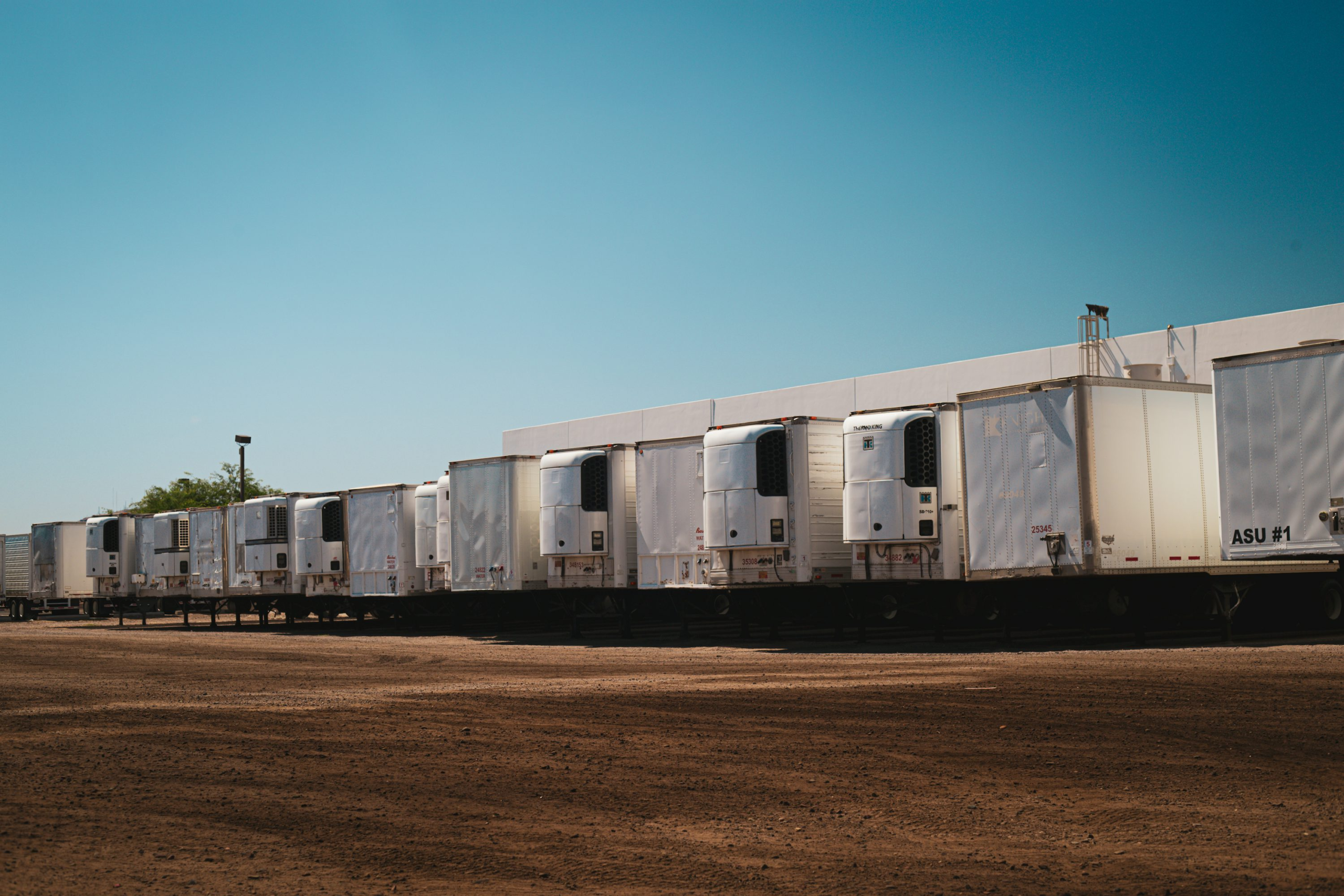
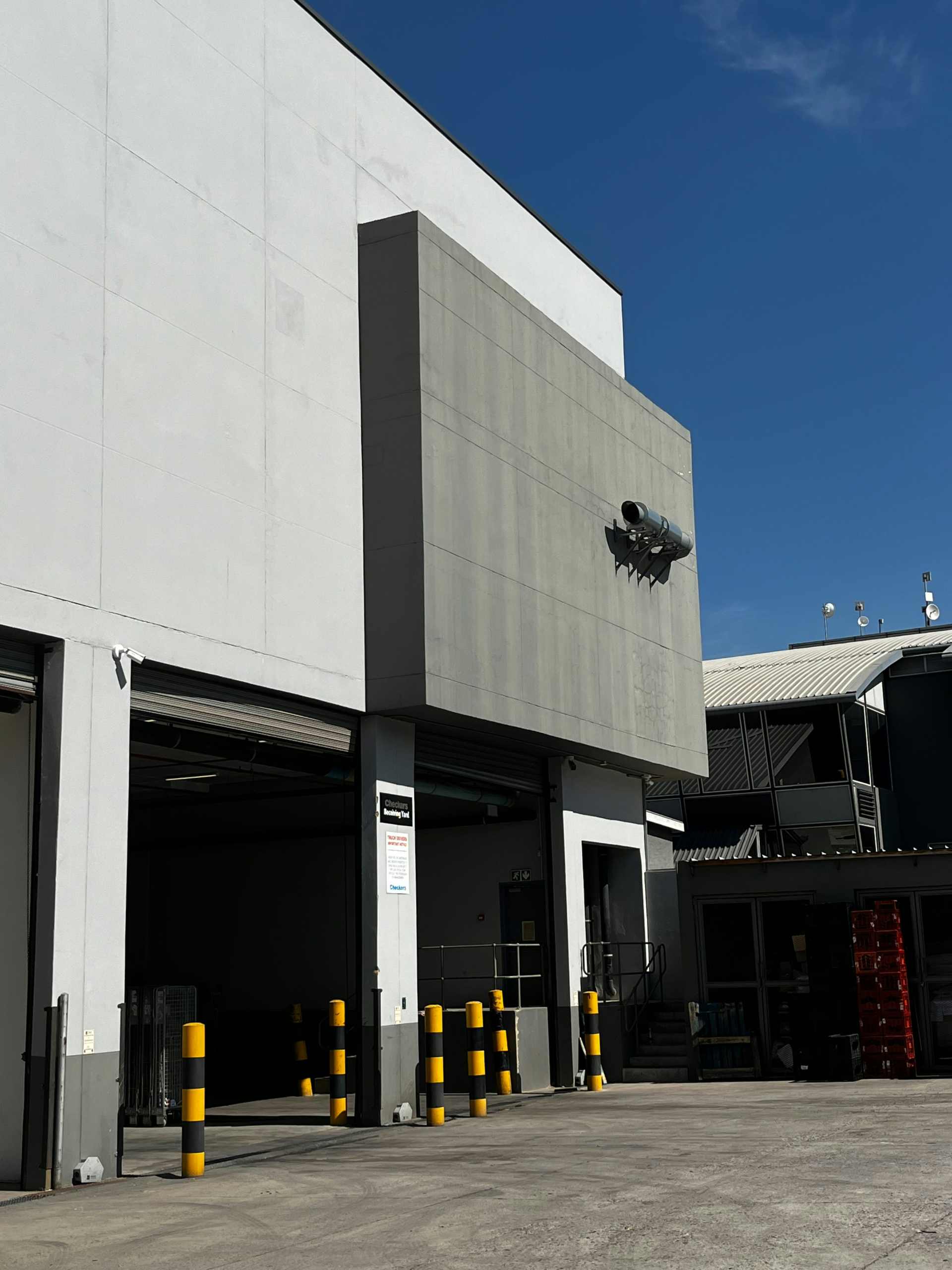
UK Warehousing Association is urging the Chancellor to freeze business rates for warehouses after its analysis found that seven in ten large distribution facilities are now affected by the high-value multiplier introduced this year.
UKWA says four in five warehouses saw their business-rates bills rise in April. Larger sites with a rateable value of £500,000 or more can face a multiplier around a third higher than that applied to qualifying high-street properties, adding another fixed cost to buildings that sit at the centre of national distribution networks.
The association, which represents more than 1,000 companies, has raised the issue with the Treasury ahead of the forthcoming Budget and is asking the Government to prevent a further increase. Its submission also seeks measures intended to encourage investment in greener warehouses, logistics technology and workforce skills.
Business rates are particularly significant for large distribution centres because the tax is attached to the property rather than the volume moving through it. A warehouse pays the charge whether it is operating close to capacity or carrying spare space after a customer contract changes, making the cost difficult to flex when volumes fall.
Large logistics buildings also concentrate substantial infrastructure into one location. Modern sites can include extensive loading yards, high-bay storage, automated handling equipment, refrigeration, charging infrastructure and high-capacity electrical connections. Relocating those operations is rarely a simple response to higher property costs because a replacement facility needs suitable land, labour, road access, power and planning consent.
The high-value multiplier therefore falls most heavily on some of the largest national and regional distribution hubs. Those facilities may replenish retail networks, support manufacturing plants, consolidate imported goods or provide shared capacity for several third-party logistics customers. Higher occupancy costs can feed into contract negotiations and network planning even when the tax itself is not itemised to the eventual customer.
For third-party logistics providers, the timing can be awkward where multi-year contracts were priced before the latest rates took effect. Whether an increase can be passed through immediately depends on the contract, and operators that cannot recover it may have to absorb the additional cost until the next pricing review. New agreements can include stronger indexation or property-cost clauses, but those mechanisms transfer the expense through the supply chain rather than removing it.
The pressure arrives as warehouse operators are also being encouraged to invest heavily in automation. Conveyors, sortation equipment, automated storage and retrieval systems, autonomous mobile robots and warehouse-management software can improve throughput from existing floor space, but installations require capital and often depend on a site remaining operational for long enough to recover the investment.
Rising and unpredictable property costs can make those payback calculations harder. Portable systems such as some mobile robots can move between buildings, while fixed automation is closely tied to the layout and remaining life of the facility. An operator facing uncertainty over occupancy economics has a stronger incentive to delay permanent upgrades or choose equipment that can be redeployed later.
Energy and decarbonisation projects compete for the same investment budgets. Distribution centres are increasingly being fitted with rooftop solar, more efficient lighting and heating, electric material-handling equipment and vehicle-charging infrastructure. Larger warehouses can offer substantial roof area and electrical demand for those projects, but the commercial case still depends on capital availability and confidence that the site will remain part of the network.
UKWA has also linked its Budget submission to skills. Warehousing employs more than 650,000 people in the UK, while the association has previously warned of shortages in automation and robotics expertise. Operators introducing more technology therefore need to fund both the equipment and the people capable of maintaining, integrating and managing it.
Property taxation can also influence decisions over network shape. Large national hubs benefit from scale, automation and concentrated inventory, while smaller regional facilities can shorten final transport legs and provide resilience. Transport cost, service levels, labour and customer location remain the dominant factors, but a tax structure that disproportionately raises the cost of the largest buildings changes the comparison at the margin.
The resulting burden does not remain entirely within the warehouse sector. Distribution property forms part of the cost of moving goods between ports, factories, wholesalers, retailers and end customers. Where operators cannot improve productivity quickly enough to offset increases in rates, wages and energy, the additional expense eventually appears in logistics contracts or in decisions to carry less spare capacity.
UKWA’s request therefore places warehouse taxation alongside the wider productivity debate rather than treating it solely as a property issue. Buildings are being asked to handle higher volumes with more automation, lower emissions and tighter delivery windows, while their fixed operating costs continue to rise.
The Budget will determine whether the current multiplier structure is frozen, adjusted or left unchanged. Until then, operators have to plan around the April increases already in force, leaving business rates alongside labour, energy and transport as another fixed pressure on the economics of large UK distribution centres.