IN Brief:
- VX Logistics is using autonomous delivery robots to replenish retailers across 61 Shenzhen metro stations.
- The machines operate alongside the company's OTWB platform and IoT-based cold-chain temperature monitoring.
- The deployment extends warehouse, quality-control, and transport automation into the final urban replenishment leg for fresh produce.
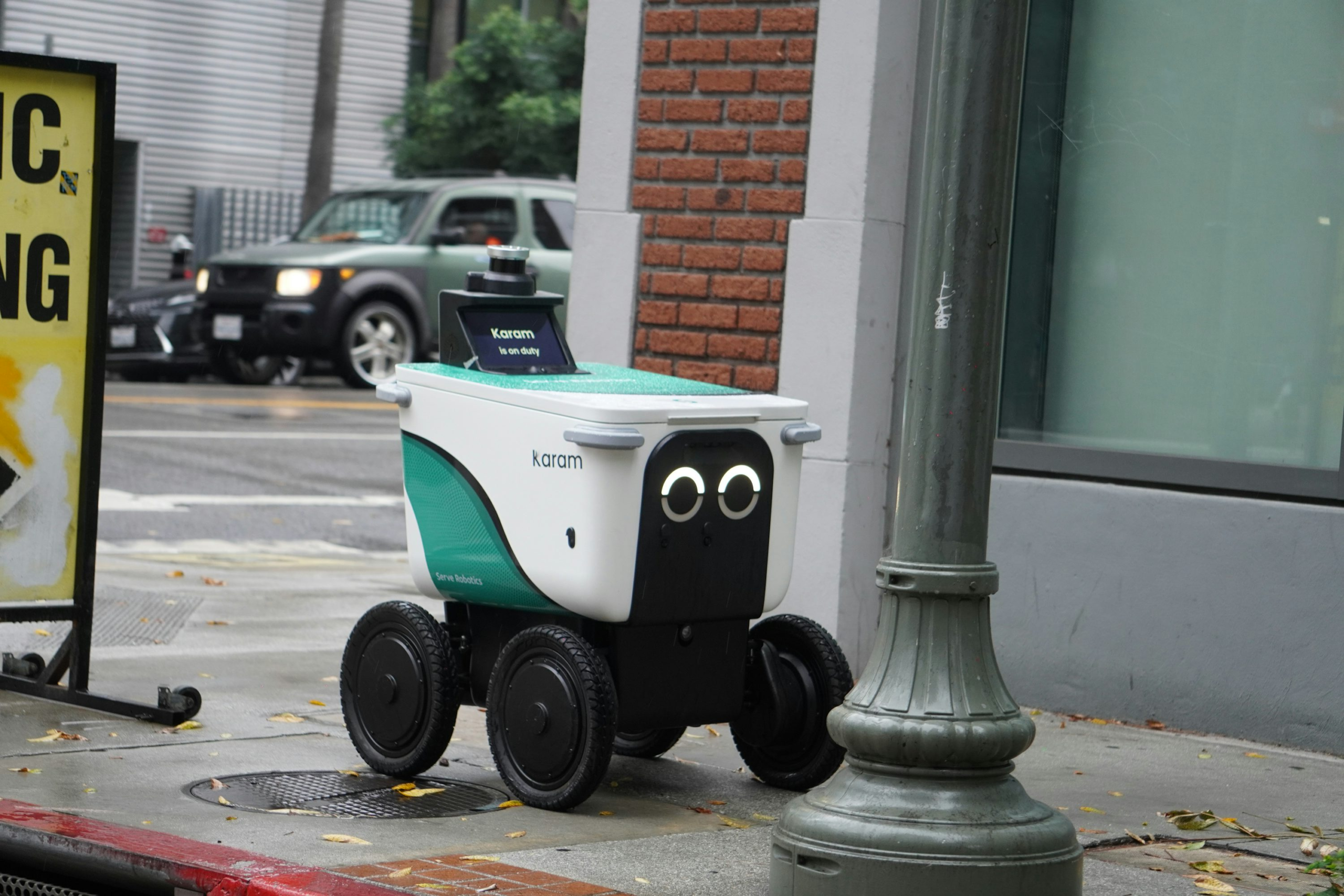
VX Logistics has expanded autonomous delivery robots across 61 Shenzhen metro stations, combining the machines with cold-chain monitoring and logistics software to replenish retailers operating inside the city’s transport network.
The robots were developed for deliveries to metro-station retailers and are now being used in routine replenishment rather than a single-site demonstration. VX says the machines operate alongside its OTWB management platform and Internet of Things temperature-control systems, linking physical delivery with inventory movement and cold-chain data.
The system forms part of a wider technology programme for fresh fruit and vegetable logistics, where product condition can deteriorate quickly if storage, handling, or replenishment slips outside required temperature and timing parameters. VX is applying automation at several points in the flow, from quality inspection and warehouse handling to transport monitoring and final delivery.
Machine vision is used during sorting to assess characteristics including colour, size, and visible defects. Automated equipment handles repetitive pallet and material movements inside logistics facilities, while connected sensors monitor temperature and location during transport. The metro robots extend that digital chain into an environment where conventional delivery vehicles cannot simply drive to the store entrance.
Retailers inside Shenzhen’s metro estate need regular replenishment while operating within stations built primarily for passenger movement. Road vehicles have limited access to internal concourses, and deliveries have to fit around security, station operations, passenger flows, lifts, and access controls. Moving goods by robot through the metro network creates an alternative route between upstream distribution and the final retail location.
VX has been developing the metro-delivery model since at least 2025. Expanding it to 61 stations takes the system beyond a small route trial and into a network where dispatching, charging, station access, handover, and exception management must work repeatedly across different locations.
The cold-chain infrastructure behind the robots is larger than the visible last-mile deployment. VX says its network covers more than 50 logistics parks in 29 Chinese cities, with around 2.95 million sq m of operating area and more than 1.8 million pallet positions. The estate supports frozen, chilled, and ambient storage together with cross-docking, packaging, ripening, and distribution.
Fresh produce places particular pressure on those handovers because available shelf life is already being consumed while the product moves through the supply chain. Imported fruit may have passed through ports or airports, regional cold stores, sorting and ripening operations, packaging, and urban distribution before it reaches a metro retailer. Each transfer creates another opportunity for delay or temperature deviation.
VX has cited its work with Zespri and Driscoll’s as examples of the same integrated approach. Its operations for Zespri cover warehousing, quality inspection, ripening, automated sorting, and packaging, while berry logistics combine temperature and humidity control with warehouse processing. VX says the latter programme supports the annual market launch of close to 200 million boxes of berries.
Frequent data capture becomes valuable at that scale. A product moving from inbound transport into storage and then through sorting, packing, urban distribution, and store replenishment can encounter several organisations and operating systems. Linking robot movements to inventory and temperature information gives planners a more continuous record of where a shipment is and whether it remains within the required handling conditions.
The robots do not remove the physical constraints of metro logistics. Machines still need reliable charging, safe routes through passenger environments, access through barriers and lifts, and defined procedures when the planned path is blocked. Staff also need a manual process for failed handovers, damaged packaging, unexpected station closures, or products that fall outside their required temperature range.
Those exceptions will determine whether the deployment scales economically. A robot can reduce repeated manual journeys, but savings fall quickly if staff have to intervene frequently or if station infrastructure requires extensive modification. Performance therefore depends on route reliability and integration with existing metro operations as much as on the robot’s autonomous navigation.
The 61-station footprint gives VX a live network in which to measure those variables. Delivery frequency, intervention rates, temperature compliance, product loss, and store availability will provide a more useful measure of the system than the novelty of robots travelling through a metro system.
For fresh-produce logistics, the technology is being tested against an unforgiving operating requirement: goods have to reach stores quickly, in specification, and with enough remaining shelf life to sell. The robots are now part of that process across a sizeable section of Shenzhen’s metro network rather than sitting at its edge as a technology trial.