IN Brief:
- Twelve Kalmar hybrid straddle carriers are scheduled for delivery to South Luzon Container Terminal during Q3 2027.
- The equipment package includes MyKalmar INSIGHT fleet monitoring and a simulator for operator training.
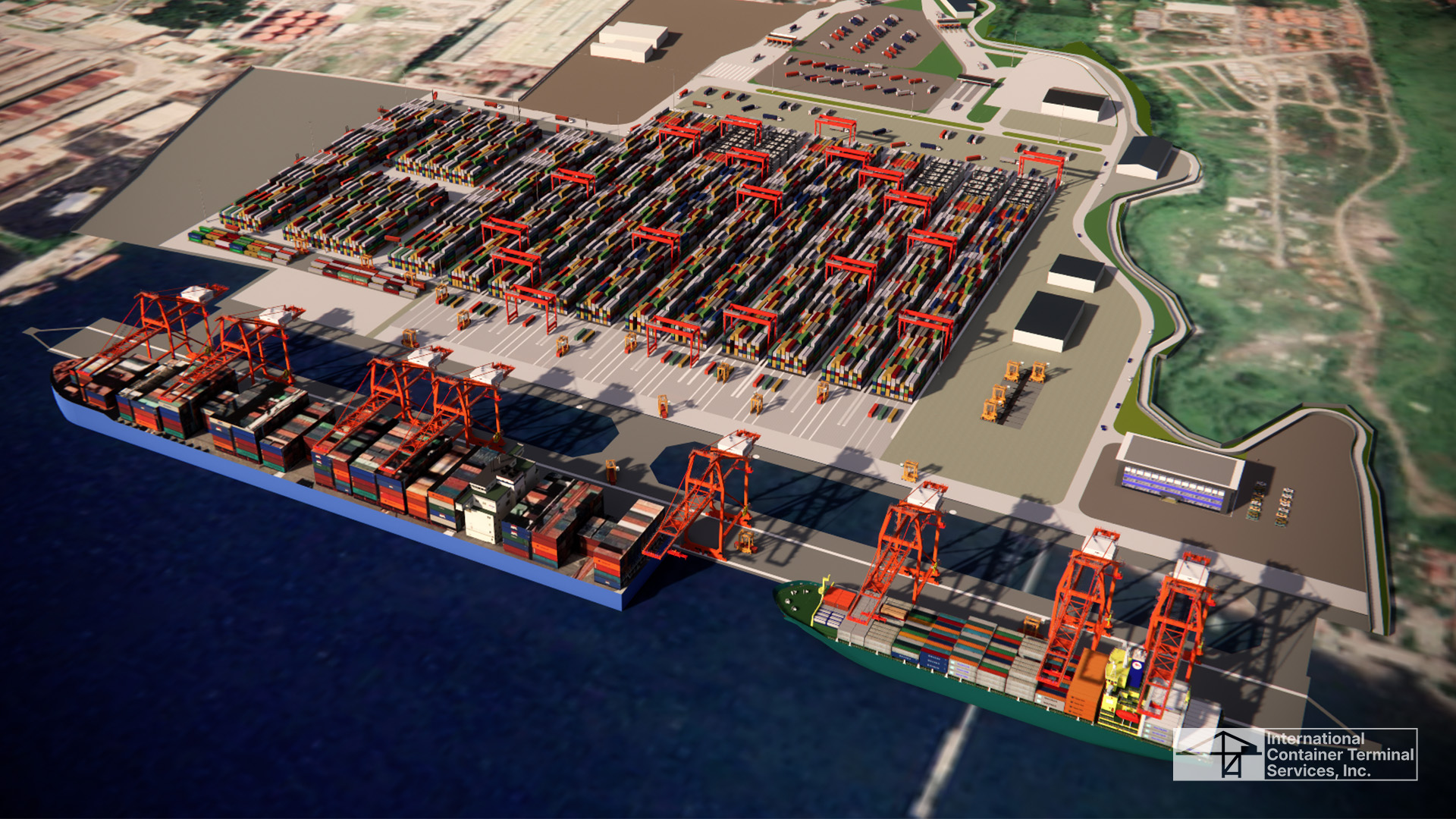
- The Batangas terminal is being developed with an 800-metre quay, 38-hectare yard, and 1.6 million TEU annual capacity.
International Container Terminal Services Inc. (ICTSI) has ordered 12 Kalmar hybrid straddle carriers for South Luzon Container Terminal at Bauan International Port in Batangas, adding a defined yard-equipment package to the new Philippine container gateway.
The order also includes MyKalmar INSIGHT fleet monitoring for all 12 machines and a straddle carrier simulator for operator training. Kalmar booked the contract in its third-quarter 2026 order intake and expects to complete delivery during the third quarter of 2027, ahead of the terminal’s targeted start of commercial operations in 2028.
South Luzon Container Terminal is being developed around 110 kilometres south of Manila to serve the industrial and manufacturing belt across Southern Luzon. The completed terminal is planned with an 800-metre quay, a 38-hectare yard, and annual capacity of 1.6 million TEU, establishing a substantial container-handling operation outside the capital’s existing port system.
The straddle carriers will move containers within the terminal yard, transferring boxes between storage stacks and the equipment serving vessel, gate, and landside operations. Their hybrid drivetrains recover and reuse energy during operation, reducing reliance on conventional diesel-only propulsion while retaining the flexibility of mobile yard equipment.
ICTSI is also taking a simulator as part of the package, allowing operator training to begin without tying up live machines. New terminals have to establish equipment routines, maintenance procedures, dispatch processes, and safety systems alongside the hardware itself, so simulator time can be used to familiarise operators with controls and operating scenarios before yard traffic reaches commercial volumes.
MyKalmar INSIGHT adds fleet-performance data covering machine use, fuel consumption, and operating behaviour. That information can support maintenance planning and equipment utilisation as volumes increase, particularly during commissioning when the yard is moving from construction activity into routine terminal operations.
The wider South Luzon project is one of ICTSI’s largest current investments in the Philippines. Construction was formally launched in March as part of an approximately US$800 million programme intended to increase national container capacity and provide a gateway closer to manufacturing and export activity in the Calabarzon region.
Its location changes the inland transport options available to cargo owners south of Metro Manila. Containers produced in Southern Luzon can otherwise require additional road movement before reaching the principal Manila terminals, adding distance, driver time, and exposure to congestion before the maritime leg has begun. A gateway in Batangas can shorten that inland movement where shipping-line schedules and terminal services match the required trade lane.
The equipment order also reflects a wider transition in Philippine container handling. Manila South Harbor recently commissioned six hybrid rubber-tyred gantry cranes as part of a separate programme combining additional yard capacity with further electrification. The two terminals use different operating systems, but both are investing beyond the quay in the machinery and digital controls that determine how quickly containers clear the yard.
For South Luzon Container Terminal, the 2027 equipment schedule creates a commissioning period before the planned opening. The straddle carriers can be delivered, tested, maintained, and incorporated into operating procedures while the simulator supports workforce preparation, reducing the amount of initial training that has to take place after commercial traffic arrives.
The timing also matters for maintenance. A new fleet enters service with relatively predictable component life, but terminals operating continuously still need workshop capacity, spare parts, diagnostic capability, and technicians trained on hybrid systems before faults begin to appear. MyKalmar INSIGHT gives maintenance teams another source of operating data, although the value will depend on how consistently the information is used alongside inspections and planned servicing.
ICTSI is developing the terminal within a broader capital programme covering terminal expansions, equipment purchases, and upgrades across its portfolio. The company has estimated group capital expenditure of US$740 million for 2026, with South Luzon among the projects absorbing investment as construction advances.
Kalmar’s hybrid straddle technology is already established across large container terminals rather than being introduced at Batangas as a pilot. The supplier passed 1,000 hybrid straddle carriers sold globally in September, providing ICTSI with an existing operating base from which to draw maintenance and performance experience.
The immediate milestone is now delivery in 2027. Once the machines arrive, the emphasis shifts from procurement to integration: operators have to be trained, fleet data connected with terminal processes, maintenance capability established, and yard procedures tested before the terminal begins handling commercial container volumes in 2028.