IN Brief:
- Primark and Kallikor will model distribution centre operations using the retailer’s own operational data.
- The work will compare warehouse layouts, picking routes, labour constraints, throughput and their effects on store service.
- Neither partner has disclosed a deployment timetable, investment amount or verified savings from completed warehouse changes.
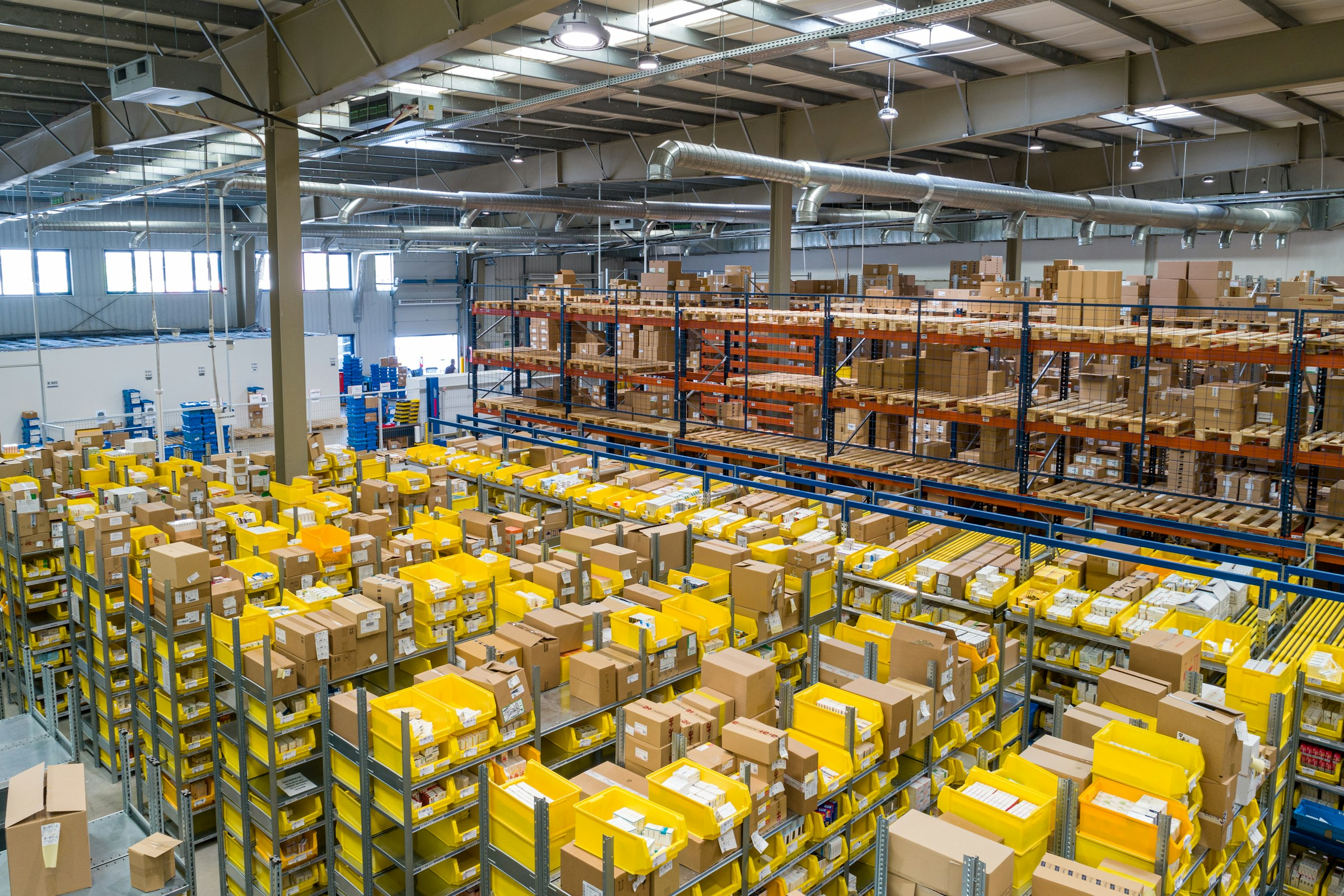
Primark has selected supply chain modelling company Kallikor to simulate changes across its distribution centres before deciding whether to modify buildings, equipment or operating processes. The partnership, announced on 22 October, begins with digital twins of existing facilities, using warehouse operating data to compare alternatives against capacity, labour requirements and service to stores. It is a decision support project, not an announcement that physical alterations or new automation have been commissioned.
Kallikor’s simulation environment will use Primark’s operating data to represent how goods move through distribution centres, from picking and internal transport to the effect of demand fluctuations on throughput. The work is intended to support decisions about capital expenditure and operating configuration. Neither partner has disclosed a contract value, the number of centres included in the first phase or a quantified efficiency improvement already achieved through the programme.
A warehouse can have sufficient nominal storage space yet struggle when several work activities converge on the same aisle, conveyor or dispatch door. Unlike a static floor plan, a digital twin can represent the arrival of work over time and expose where congestion accumulates. Its predictions depend on the assumptions and measurements entered: an under-recorded queue or an atypical shift pattern can make an apparently efficient layout behave differently in practice. Primark intends to examine those interactions before authorising site changes.
The initial models are intended to compare pick routes, available labour and variations in throughput with the effect on service to stores. A proposed improvement in one process can shift pressure downstream. Faster receiving, for example, offers limited gain if put-away locations fill or dispatch cannot clear completed orders; a shorter picking route can also send more work towards an already busy consolidation point. Scenario comparisons should account for those linked constraints rather than treating a rise in one activity’s rate as a network-wide saving.
Primark and Kallikor describe an environment in which different operating configurations can be tested against common measures of cost, service, capacity and risk. Reallocating picking work, changing stock locations or examining a different warehouse flow are examples of the decisions such a model could support; the partners have not identified specific modifications approved as a result. Nor have they published the number of sites initially modelled, model accuracy benchmarks, a contract value or quantified savings delivered.
Because the retailer supplies stores across multiple markets, the result at one distribution centre is only part of the operational calculation. A layout that moves products through a building sooner might still generate a queue at the outbound loading doors or require more transport departures than are available. Testing the wider consequences of a proposed change should allow teams to compare alternatives without assuming that maximum local throughput produces the best overall service. The companies have not said how extensively external carriers or stores will be represented in the initial simulations.
Kallikor describes AI-enabled scenario exploration within the modelling capability. In this application, software evaluates alternative assumptions for planners; it is not described as autonomously controlling warehouse robots or choosing capital projects without staff approval. A reusable model could also reduce the need to start each planning exercise from scratch, provided the data and operating rules remain accurate as the physical site changes.
Maintaining that accuracy is a significant operational task. Labour availability varies with shift patterns, product mix and the experience of seasonal teams. Handling rates recorded during routine weeks may not describe promotional peaks, while racking changes and new stock placement rules can make historical travel times obsolete. Primark and Kallikor say the model can be validated and reused, but neither has disclosed how often inputs will be refreshed or the acceptance criteria for forecasting performance.
The partnership also leaves room to investigate automation investments. A new conveyor, sorter or robotic system can remove one handling step but create different storage, maintenance and exception-management requirements. Running a scenario before procurement could highlight whether a proposed installation actually addresses the limiting process, or merely moves a queue from picking to packing or dispatch. No specific equipment purchase is attached to the current announcement, and the use of simulation should not be confused with an automation deployment.
Simulation does not remove the requirement to validate a chosen layout in the actual building. Pedestrian routes, emergency access, machine clearances and the relationship between loading bays and storage areas remain physical constraints even when a model predicts higher throughput. The announcement establishes an additional planning tool for Primark’s distribution network; it does not establish an increase in capacity, a reduction in labour or a completed technology rollout. Further evidence will come from the particular changes selected and the results measured after implementation.