IN Brief:
- ILWU Local 26 and the Pacific Maritime Association extended talks through 5pm Pacific time on 4 November.
- Approximately 250 watchmen staff terminal gates and security functions at the ports of Los Angeles and Long Beach.
- A strike remains a possibility, rather than a confirmed shutdown, and the bargaining position requires a fresh check before publication.
Contract talks covering approximately 250 maritime watchmen at the ports of Los Angeles and Long Beach have been extended to 5pm Pacific time on Wednesday 4 November, postponing the immediate threat of a walkout across parts of the southern California container gateway. The Pacific Maritime Association, which represents employers, and International Longshore and Warehouse Union Local 26 agreed the extension on 30 October. Bargaining is continuing with assistance from the United States Federal Mediation and Conciliation Service.
The previous watchmen’s contract expired in July 2025, and Local 26 members have authorised possible strike action after successive extensions. Under the current extension, both sides are continuing discussions with assistance from the Federal Mediation and Conciliation Service. Reporting published on 3 November still placed the potential stoppage after the new deadline; no strike had been confirmed in the available updates.
Although the watchmen account for approximately 2% of the International Longshore and Warehouse Union workforce at the two ports, their assignments place them at important points in terminal operations. Their duties include controlling and checking vehicle and employee access, conducting security inspections and monitoring cargo passing through dock facilities. The work takes place at the boundary between public roads, port property and restricted terminal areas, where access procedures determine whether vehicles and staff can enter to carry out scheduled work.
According to the employers’ figures reported by Reuters, watchmen work at terminals handling about 85% of cargo through Long Beach and 33% through Los Angeles. These percentages identify the scale of operations where the watchmen are present; they are not measurements of freight already delayed. Any actual interruption would depend on the specific gates and terminals involved, the security cover available and the behaviour of other waterfront employees. The wider ports have continued operating while negotiations proceed.
Other dockside workers could decline to cross Local 26 picket lines if a walkout takes place, potentially spreading the effect beyond the security posts themselves. Port operators would first need to assess access to individual gates, staffing and safety procedures before deciding which cargo movements could continue. A restricted gate can prevent a collection driver from entering even where the import container is already available in the yard. A separate restriction on yard or vessel work would affect cargo at different stages, so disruption cannot be measured solely by the number of watchmen.
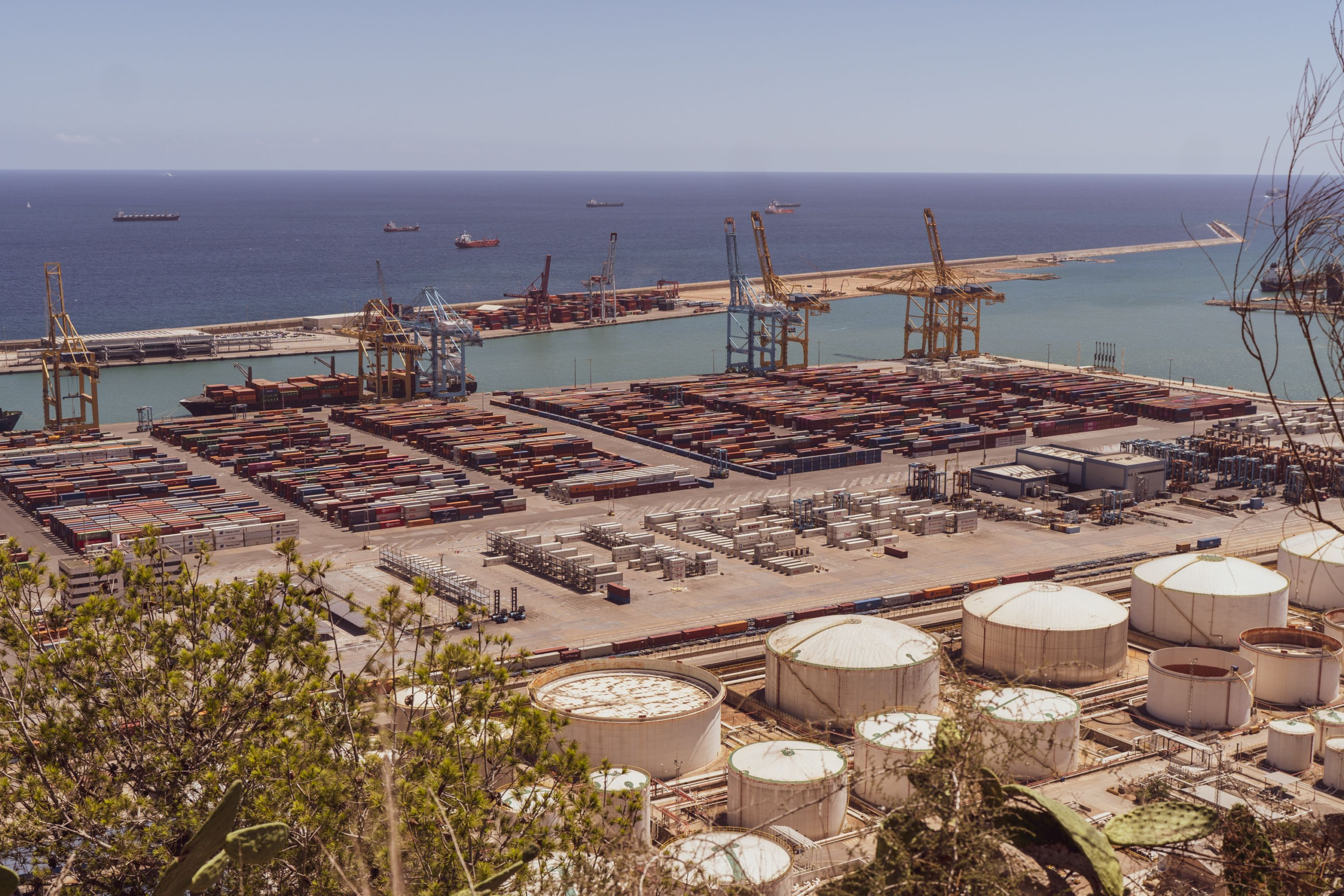
The San Pedro Bay port complex links trans-Pacific shipping to inland rail terminals, distribution centres and manufacturing destinations. Containers arriving by sea must be discharged into a yard before truck or rail collection can be completed; each transfer requires equipment, personnel and an agreed time window. Delays to a terminal gate can result in missed haulier appointments and longer dwell times, which may in turn complicate the return of empty equipment. The specific impact would depend on the terminal, carrier and inland service assigned to the cargo.
September’s record cargo volumes at the two ports included goods for the year-end retail season, automotive components and equipment destined for data centre construction, according to Reuters. Each shipment faces different downstream deadlines: retail distribution uses replenishment windows, while a component or electrical assembly may be required for an agreed installation or production sequence. A hold at the terminal does not automatically stop a factory, because existing stocks and delivery buffers vary. It can, however, consume the time allocated for the next transport and receiving operation.
Freight forwarders are identifying consignments assigned to terminals potentially affected by the dispute and checking near-term collection appointments with their hauliers. Containers already discharged into a particular terminal generally cannot be moved to another port without substantial operational changes. Cargo that has yet to load overseas offers different options, although a diversion would still depend on the shipping line, service rotation and available inland transport. The practical response is therefore shipment-specific, with gate access and collection appointments more immediate than a wholesale change of route.
Local 26 negotiates separately from the coastwide labour agreement for most West Coast longshore employees and marine clerks, which runs through 2028. The dispute is consequently not a reopening of that wider contract. Employers have described their own bargaining proposals, while the available reporting does not establish a complete account of the union’s position. The outcome remains subject to the continuing discussions, rather than the terms agreed for other worker groups.
The signed extension runs to 5pm Pacific time on Wednesday 4 November, which is 1am GMT on Thursday 5 November. That time difference explains why some international headlines refer to 5 November even though the local port deadline is 4 November. Carriers and cargo owners need the local time when interpreting terminal operating notices and arranging collections. Another extension, a settlement or industrial action could change the position after the deadline; none has been confirmed in the latest available reporting on 3 November.
Further negotiations will determine whether Local 26 members continue working under an agreed arrangement or take industrial action after the extension. Terminal access procedures, the response of other dockside employees and the cargo already awaiting collection will determine the reach of any disruption. At the latest confirmed reporting point, the dispute poses a prospective risk rather than a documented closure of the Los Angeles–Long Beach container gateway. The next official negotiating or terminal operating update will establish whether that risk changes after the deadline.