IN Brief:
- Samudera Shipping Line has contracted two new 3,000 TEU container vessels, providing a combined nominal capacity of 6,000 TEU.
- The contracts involve Jiangsu New Yangzi Shipbuilding and Jiangsu Yangzi-Mitsui Shipbuilding, with delivery expected by 2030.
- The carrier has not disclosed the contract prices, propulsion systems, technical specifications, or intended route deployments.
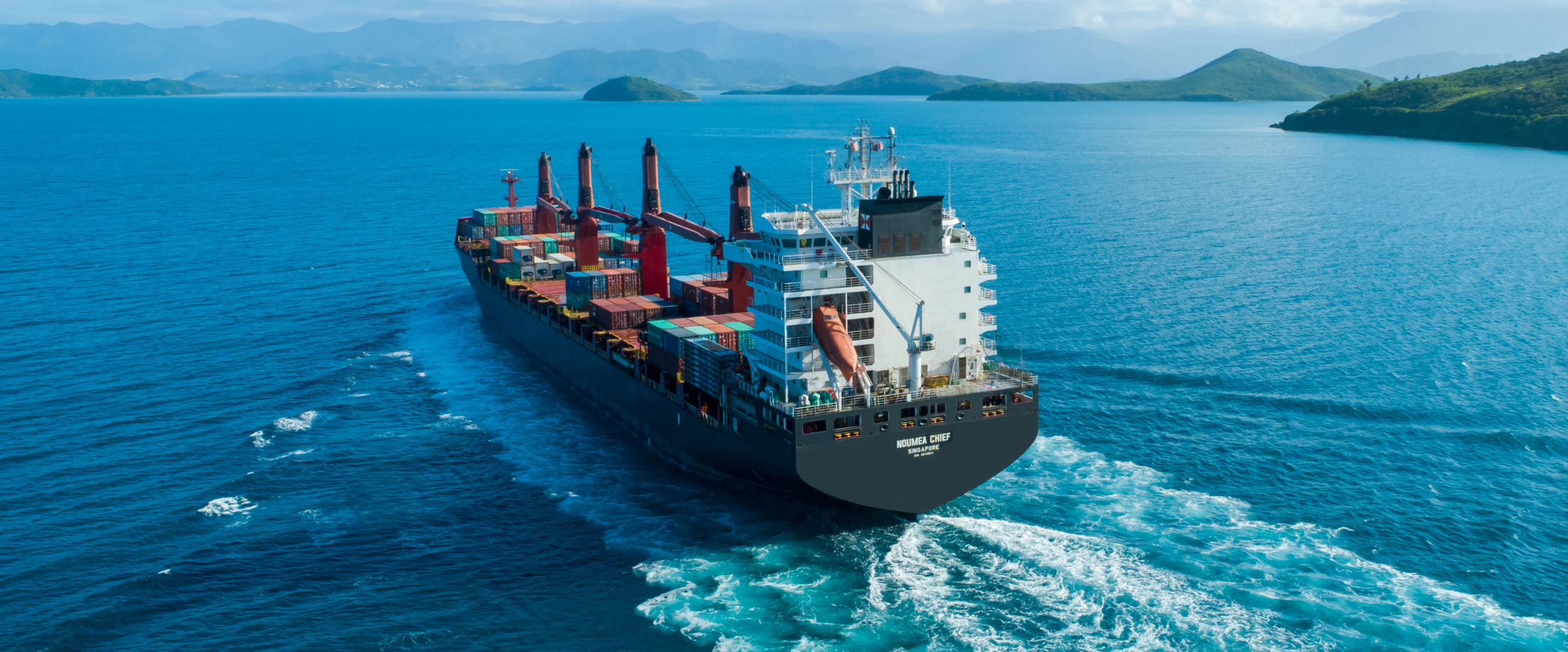
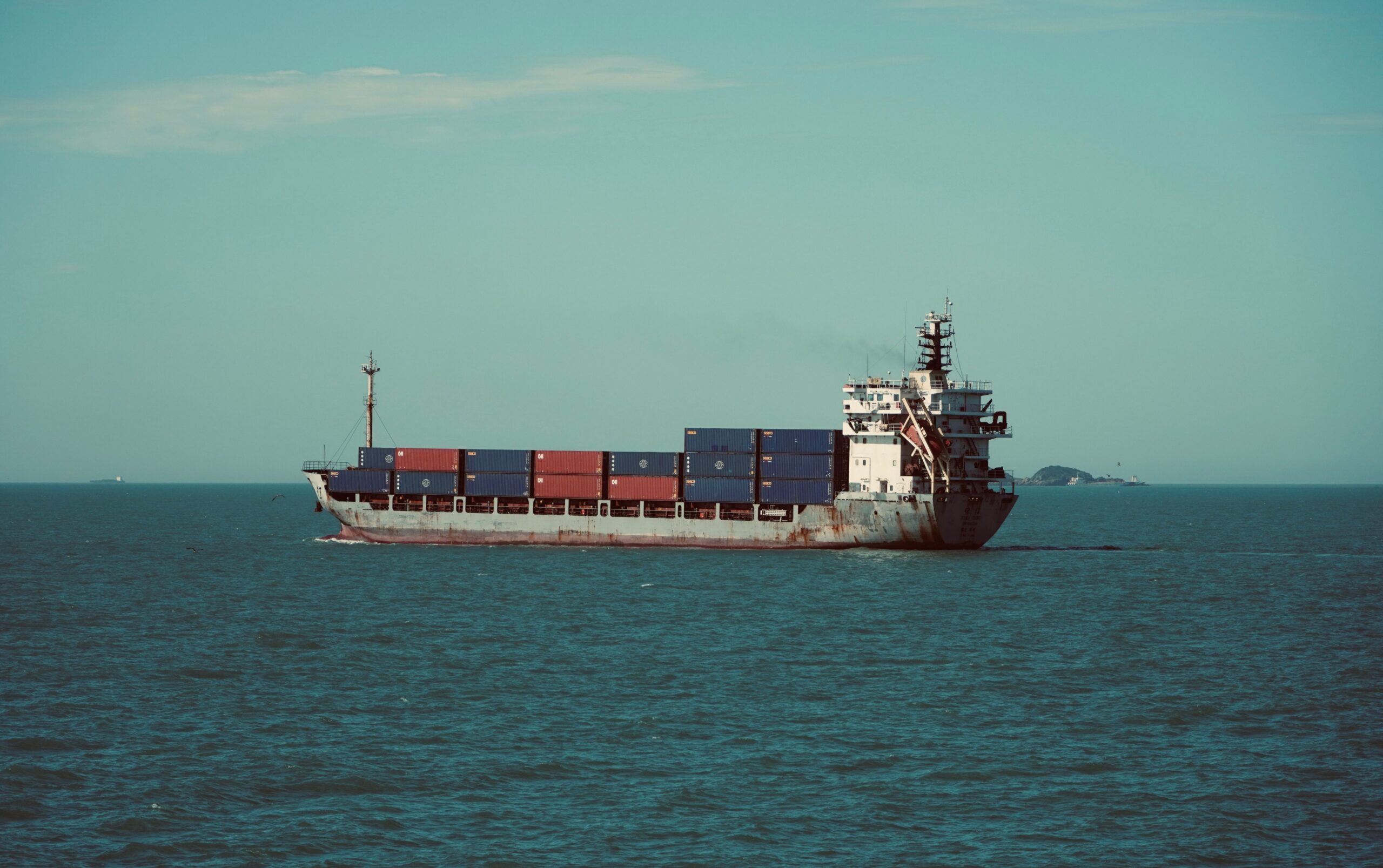
Samudera Shipping Line has entered into shipbuilding contracts for two new container vessels, each with a nominal carrying capacity of 3,000 twenty-foot equivalent units (TEU). The Singapore-listed carrier has contracted with Jiangsu New Yangzi Shipbuilding and Jiangsu Yangzi-Mitsui Shipbuilding in China, with delivery of both vessels expected by 2030.
The agreements were disclosed through the Singapore Exchange on 3 November 2026 as part of the company’s fleet development programme. The two shipbuilding companies are identified collectively in the filing, without specifying how construction responsibilities will be divided between them. Samudera has not disclosed the contract values, propulsion arrangements, vessel dimensions, or detailed technical specifications.
The order represents an addition of 6,000 TEU to the company’s newbuilding programme, although that capacity will not become available for commercial service until the vessels are delivered and commissioned. Their subsequent contribution to Samudera’s operating network will depend on whether they are deployed as additions to existing services, allocated to new routes, or used to replace other vessels.
Samudera operates regional container shipping services connecting ports and trading centres across Asia and other markets. Such networks provide maritime links between industrial production locations, distribution centres, and larger international shipping gateways. Their operating requirements differ according to the freight volumes, vessel sizes, port facilities, and sailing frequencies associated with individual routes.
The planned 3,000 TEU capacity represents a significant vessel size within regional container shipping. A twenty-foot equivalent unit provides a standard measure for comparing nominal container carrying capacity, with a conventional 40-foot container representing approximately two TEU. The figure does not establish the precise number or weight of containers a vessel can carry on every voyage, since loading depends on cargo characteristics, equipment availability, and operating restrictions.
Increasing the capacity available on an individual ship can change the way freight is consolidated across a route. A larger vessel can accommodate more container slots during a sailing, but the volume actually transported depends on demand and the cargo allocated by the carrier. Additional nominal capacity therefore does not necessarily produce a corresponding increase in the number of containers carried or the frequency of service.
Vessel deployment also depends on compatibility with the ports included in a rotation. Berth length, available water depth, navigational access, handling equipment, and the capacity of container storage areas can determine whether a particular ship can be accommodated efficiently. The absence of published dimensions and draught figures for the new Samudera vessels means their compatibility with individual terminals cannot yet be assessed.
Container handling arrangements become more demanding when a larger number of boxes must be discharged or loaded during a single port call. Terminal operators need sufficient crane capacity and yard space to process the containers, while transport providers must coordinate their movements between the port and inland destinations. A vessel offering more available slots is only one component of that process.
The carrier must also consider the relationship between vessel size and sailing frequency. A shipping service operates according to a rotation linking successive ports, with the number of ships allocated to the route influencing how regularly departures can be offered. Larger ships can increase the capacity of each sailing, but maintaining a frequent service may still require multiple vessels operating to the same schedule.
Samudera has not identified the services on which the two ships will operate. Their delivery deadline extends to 2030, leaving a period during which the company’s operating network, customer demand, and available port infrastructure may change. Route assignments and the relationship between the newbuildings and the existing fleet will therefore remain unresolved until further deployment information is provided.
The latest contracts follow a separate shipbuilding agreement entered into by Samudera’s Japanese joint venture, Blue Ocean Shipping, in August 2026. That earlier arrangement concerned a smaller 696 TEU vessel scheduled for delivery in 2028. The November contracts involve different shipbuilders and considerably larger ships, expanding the range of vessel capacities covered by the company’s investment activities.
Regional container carriers use different vessel sizes to accommodate the commercial and physical requirements of their networks. A smaller ship may be suited to lower-volume connections or terminals with infrastructure constraints, while a larger ship can provide additional space where cargo demand and port facilities support it. The available evidence does not establish whether Samudera intends its new vessels to operate alongside the smaller units or serve a different part of its network.
The delivery timetable also affects capacity planning. Newbuildings must pass through design finalisation, procurement of equipment, construction, testing, and delivery before entering commercial operation. Each stage involves technical and contractual requirements, with completion dependent on the arrangements agreed between the shipowner and shipbuilder.
Because the vessels are scheduled for delivery by 2030, their operating characteristics may become more important as the construction programme develops. Propulsion systems, fuel consumption, cargo configuration, and maintenance requirements influence the eventual economics of maritime transport. Samudera has not provided enough technical information to determine those characteristics or compare the new ships’ environmental performance with existing vessels.
Fuel selection is particularly relevant to longer-term fleet investment because different propulsion arrangements can impose different requirements for onboard storage, fuel availability, and port infrastructure. However, no alternative fuel capability or particular engine technology has been confirmed for the two ships. The available announcement establishes their carrying capacity and contractual delivery horizon, without supporting conclusions about their energy efficiency or compliance with future operating requirements beyond those normally applicable to vessels entering service.
The financial effect of the contracts will also extend beyond the current reporting period. Samudera stated that the transactions form part of its ordinary business activities and are not expected to have a material impact on group net tangible assets or earnings per share for the financial year ending 31 December 2026. That assessment concerns the current financial year rather than the ships’ eventual contribution to earnings or cash flow after delivery.
The company has not disclosed how the contracts will be financed or the schedule under which construction payments will be made. Shipbuilding agreements generally involve commitments extending through the construction period, but the precise arrangements depend on the individual contracts. No conclusions about the financing structure or payment milestones can therefore be drawn from the public information.
Long-term vessel investment takes place against changing demand for container transport across manufacturing and trading markets. Shipping lines must balance the capacity they expect to require against the cost and timing of bringing additional ships into service. The extended delivery period creates uncertainty over the market conditions in which the vessels will eventually operate.
Samudera’s new contracts establish a defined addition to its future container shipping assets, with a combined nominal capacity of 6,000 TEU. Further disclosures on construction specifications, delivery dates, and route deployment will determine how the vessels fit into the company’s operating network and what additional transport capacity becomes available when they enter service.