IN Brief:
- Expeditors recorded 13% year-on-year airfreight tonnage growth and a 7% increase in ocean freight volumes during the third quarter of 2026.
- Quarterly revenue rose 42% to US$4.1bn, operating income increased 55%, and diluted earnings per share advanced 62%.
- Demand from South Asian exporters and suppliers serving AI infrastructure supported growth, while aircraft capacity restrictions and Asian port congestion affected services.
Expeditors International recorded a 13% increase in airfreight tonnage and 7% growth in ocean freight volumes during the third quarter of 2026, supported by strong demand from South Asian exporters and businesses supplying artificial intelligence infrastructure. Revenue increased 42% year on year to US$4.1bn, with the freight forwarder reporting growth across transportation, customs brokerage, distribution, and supply chain management services.
Operating income rose 55% to US$445m, while net earnings attributable to shareholders increased 55% to US$345m. Diluted earnings per share advanced 62%, from US$1.64 to US$2.65. The results cover the three months ended 30 September 2026 and compare performance with the corresponding period in 2025.
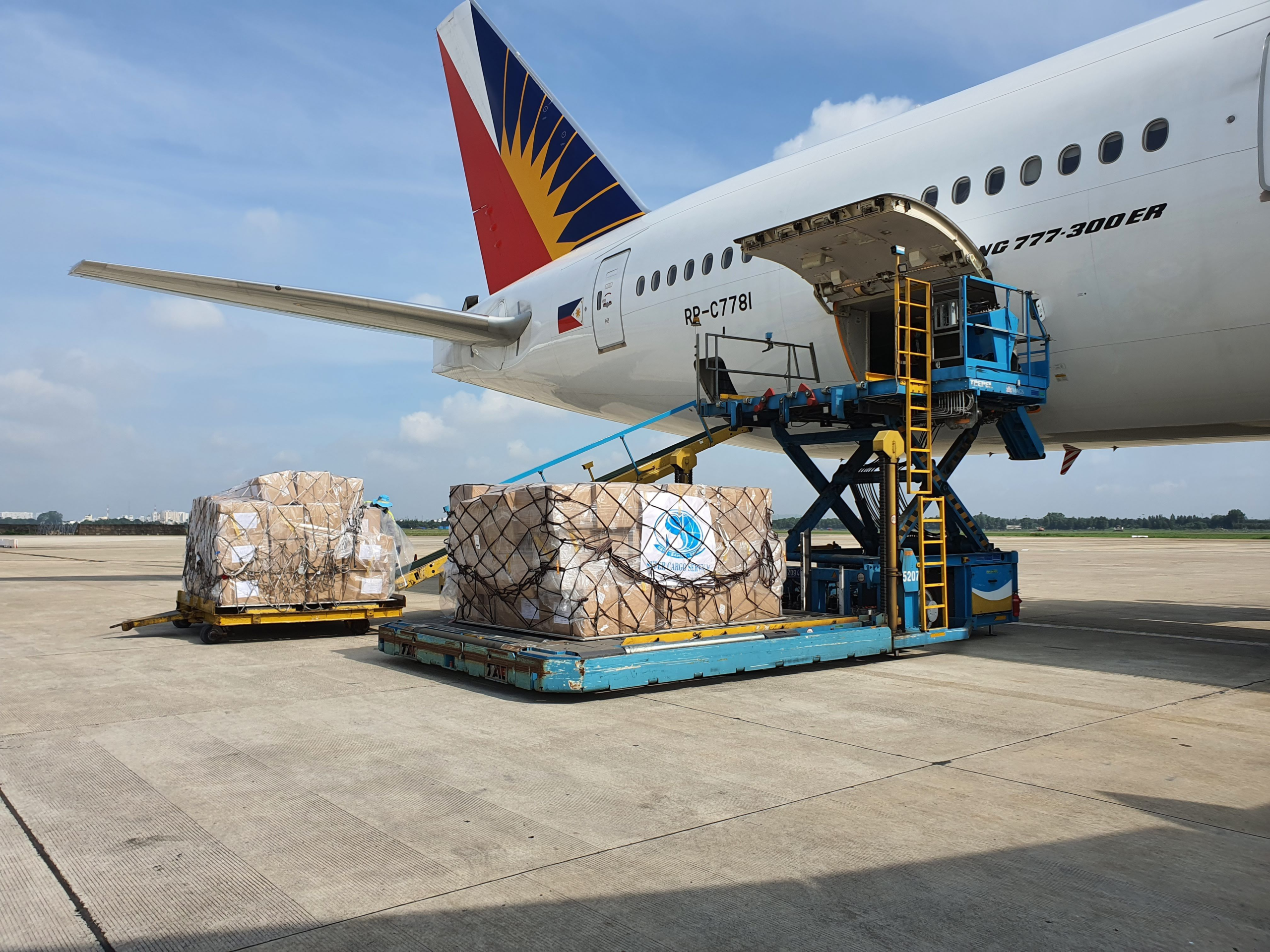
Airfreight activity reached a quarterly volume record, with South Asian export markets making a substantial contribution. Expeditors also identified shipments associated with hyperscale data centre development and artificial intelligence infrastructure as important sources of demand. The activity includes consignments from first- and second-tier suppliers providing equipment and components to major technology customers.
The movement of equipment supporting large computing facilities can involve several manufacturing and supply locations before final installation. Components, completed equipment, and associated materials may move through international production and distribution networks according to project schedules. Airfreight can provide shorter international transport times for suitable consignments, although the complete delivery period also depends on handling, customs processing, and inland transport arrangements.
Capacity restrictions continued to affect the air cargo market during the quarter. Expeditors identified limited growth in available freighter fleets and delays to new aircraft deliveries as constraints on the amount of space available to customers. At the same time, demand remained sufficiently strong to maintain elevated freight rates across affected markets.
The company also reported aircraft redeployments associated with changes in Asia–Europe e-commerce activity following European Union measures concerning low-value imports. These adjustments affected the allocation of cargo capacity between different routes. Meanwhile, China–US e-commerce tonnage was approaching the levels recorded before the United States ended de minimis treatment for relevant shipments in May 2025.
Different categories of freight compete for space within the same air transport network. High-value manufacturing equipment, industrial components, e-commerce consignments, and other shipments may have different handling requirements, but their movements depend on available aircraft capacity and suitable connections. Increased demand on a particular trade lane can therefore affect the options available to customers even where their underlying cargo requirements have not changed.
The monthly operating figures show that Expeditors’ airfreight volume growth strengthened through the quarter. Tonnage increased 8% year on year in July, 13% in August, and 19% in September. The combined quarterly increase was 13%, reflecting the distribution of activity across the three months rather than the September growth rate alone.
Ocean freight volumes followed a similar pattern, although the company reported a more modest increase over the full quarter. Volumes measured in forty-foot equivalent units (FEU) rose 7% year on year, with growth of 5% in both July and August followed by a 12% increase in September. These figures measure the amount of container freight handled by Expeditors, rather than changes in global shipping capacity.
The improvement followed comparatively flat ocean freight activity during the second quarter. Export markets in Asia contributed to the recovery, although congestion and weather disruptions affected the availability and reliability of shipping services. Three successive typhoons caused interruptions at major Asian ports and transshipment hubs, including temporary port closures and delays to vessel operations.
Port congestion can restrict effective shipping capacity even when the number and nominal size of vessels in service remain unchanged. Ships held outside a port or delayed during cargo handling may miss subsequent scheduled calls, while containers and equipment remain committed to shipments taking longer than expected. These effects can reduce the amount of transport capacity available for new cargo movements during the disruption.
Expeditors said its relationships with ocean carriers helped it secure space for customers as operating conditions deteriorated. The company uses an asset-light forwarding model, purchasing transportation services from airlines, shipping lines, and other providers rather than relying primarily on a fleet of vessels and aircraft that it owns.
That model places considerable emphasis on securing carrier capacity, coordinating shipments across different services, and managing changes to transport arrangements when disruptions occur. A freight forwarder may be able to offer customers alternative routing or transport options, but availability depends on the services operating and the commercial arrangements in place with the relevant carriers.
Expeditors’ reported growth should consequently be distinguished from changes across the wider freight market. The company’s shipment volumes reflect the business it handled during the quarter, including new customer contracts and changes in its share of existing traffic. They do not establish that all international air and ocean freight volumes increased by the same percentages.
Customs brokerage and related services also expanded. Expeditors reported double-digit revenue growth across Customs, Transcon, Distribution, and Order Management for a third consecutive quarter. The company identified new business wins, increased customs declaration volumes, and broader demand for transport management and logistics services as contributors.
Customs activity has been influenced by changing tariff requirements. Additional tariff-line fees and post-entry work began contributing to the business during the third quarter of 2025, but Expeditors attributed much of the latest growth to new contracts and higher declaration volumes. Those activities are distinct from the physical movement of freight, although they may be associated with the same international shipments.
A customs declaration can involve multiple commodity classifications and supporting documents, while changes to tariffs or regulatory requirements may increase the information needed to process a consignment. The amount of work involved can therefore vary independently of shipment weight or container volume. Growth in brokerage revenue should not be interpreted as an equivalent increase in physical cargo movements.
Revenue from airfreight services reached approximately US$1.54bn, compared with US$1.02bn in the corresponding quarter of 2025. Ocean freight and ocean services generated US$1.10bn, up from US$746m, while customs brokerage and other services contributed US$1.46bn against US$1.13bn a year earlier.
These figures reflect the revenue generated by the different service categories rather than the value of freight transported on behalf of customers. Transportation revenue can be influenced by shipment volumes, freight rates, and the composition of services purchased. Customs brokerage and other logistics activities add further sources of revenue beyond the provision of international transport capacity.
Expeditors’ direct transportation and associated operating expenses also increased during the quarter, but total revenue rose sufficiently to support the 55% increase in operating income. Chief Financial Officer David A. Hackett reported an operating efficiency measure of 36.7%, above the company’s historical target of 30%.
Employee full-time equivalents increased from 20,170 in September 2025 to 20,463 in September 2026, representing growth of approximately 1%. The company attributed its operating performance partly to process improvements and technology investment, although the published results do not quantify the contribution of individual software initiatives or automation projects.
Expeditors is continuing to invest in temperature-controlled facilities, specialist logistics services, and productivity initiatives, including artificial intelligence and other technology. These activities are intended to support customer requirements and operating efficiency, but their individual financial returns have not been separately disclosed.
Chief executive Daniel R. Wall identified demand from hyperscale technology customers as growing faster than the wider market, while emphasising the company’s efforts to expand its customer base across regions and service categories. The results also show stronger activity in road freight, warehousing, and distribution, extending the growth beyond international forwarding alone.
The company expects congestion and other supply chain challenges to persist through the remainder of 2026. That assessment follows the port disruptions and capacity restrictions experienced during the third quarter, although it does not establish the volume of freight expected in the final three months or the rates customers will pay.
Expeditors is scheduled to hold an investor day in New York on 18 November 2026. Further operational details may be provided at that event, while subsequent financial results will establish whether the stronger September volumes continued into the final quarter. The reported figures confirm increased business across air, ocean, customs, and associated logistics services, with technology infrastructure supply chains contributing substantially to the quarter’s performance.