IN Brief:
- Hitachi Energy has selected Logent to establish and operate a logistics centre of more than 100,000 sq m in Ludvika.
- Logent will develop the warehouse layout, operational processes, systems, and equipment requirements before taking responsibility for material distribution.
- Operations are scheduled to begin in 2027, supporting the expansion of Hitachi Energy's electrical grid equipment manufacturing activities.
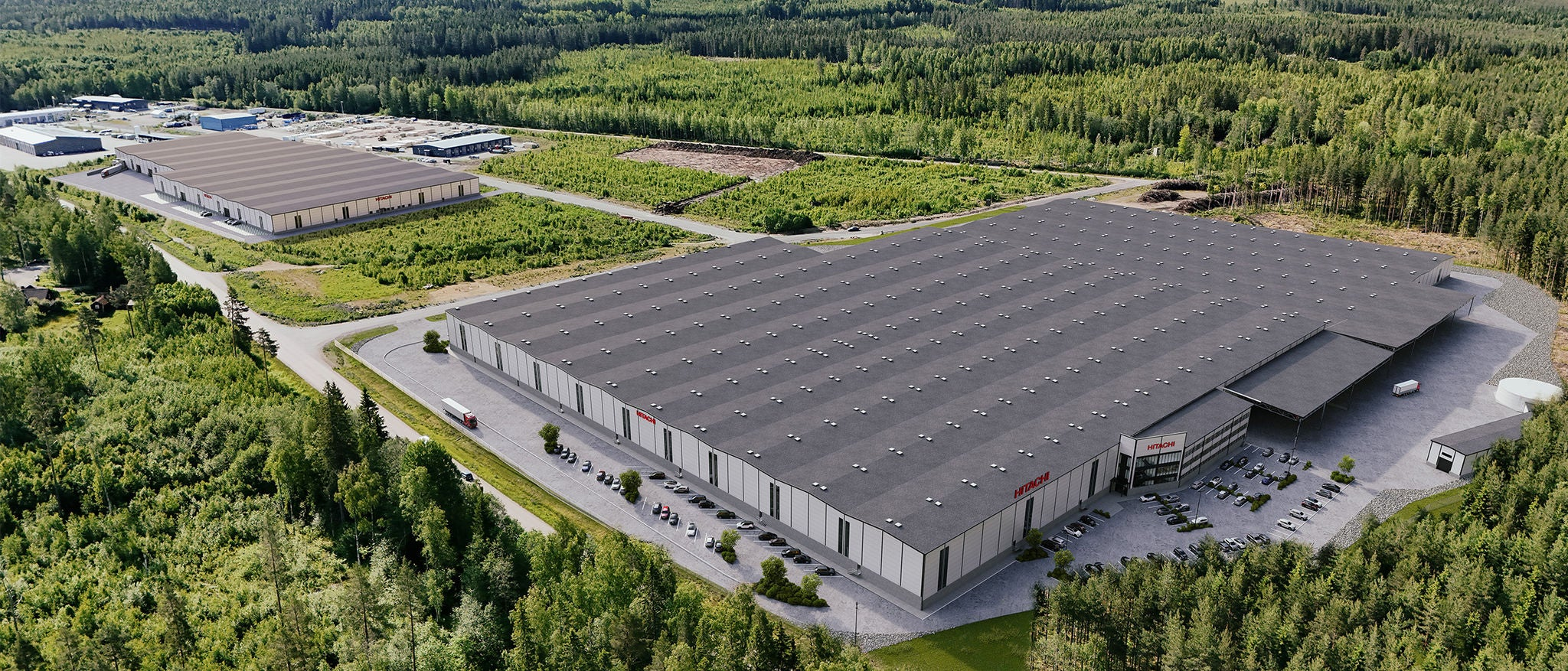
Logent has been appointed to design and operate a new industrial logistics centre for Hitachi Energy in Ludvika, Sweden, covering more than 100,000 sq m. The facility will be developed directly beside Hitachi Energy’s manufacturing operations, with Logent responsible for establishing the warehouse infrastructure, planning material flows, and managing the subsequent storage and distribution activities. Operations are expected to begin during 2027.
The agreement covers both the development and operation of the logistics centre. Logent will plan the warehouse layout, operational processes, systems configuration, and equipment investments required to establish the facility, before taking responsibility for warehousing and internal transport. The arrangement brings these activities under one logistics partner rather than separating the design of the operation from its eventual management.
Hitachi Energy is expanding its Ludvika operations in response to growing demand for power grid infrastructure. The company’s manufacturing activities require materials and components to be available at different stages of production, creating demands on storage capacity, inventory records, and the transport of goods between logistics and manufacturing areas. The new centre is intended to accommodate those requirements as production expands.
The physical connection between the warehouse and factory is central to the operating model. Logent will manage the movement of materials from the logistics centre to Hitachi Energy’s production site, with the arrangement covering both storage and the transport activities needed to supply manufacturing operations. The companies have not disclosed the detailed transport configuration or the delivery schedules that will be used when the facility enters service.
Industrial logistics operations serving manufacturing facilities must coordinate inventory availability with production requirements. Materials received from suppliers may be needed for different assembly or production processes, while their dimensions, handling characteristics, and frequency of movement can vary. Warehouse layouts therefore need to provide suitable positions for receiving, storing, selecting, and dispatching goods without creating unnecessary conflicts between incoming and outgoing movements.
The amount of floor space available is only one factor determining how much material a warehouse can accommodate. Storage equipment, aisle widths, safe load limits, and the handling systems selected for individual products influence usable capacity. A large building may also contain areas assigned to receiving, staging, inspection, and dispatch rather than storage positions alone. Logent has not published the planned number of pallet locations or other storage capacity measures for the Ludvika operation.
Equipment selection will form part of Logent’s initial responsibilities. Different materials may require forklifts, specialist lifting equipment, conveyors, or other handling systems, depending on their size, weight, and movement frequency. The company has confirmed that equipment investments will be included in its development work, but has not identified the specific technologies selected for the new centre.
Hitachi Energy intends to combine digital technology and automation with the material handling processes established at the facility. Those systems will need to support the identification of goods, recording of inventory movements, and coordination of activities between storage locations and production. The partners have not named the warehouse management platform, automation suppliers, or technical interfaces planned for the operation.
Accurate inventory information is particularly important where a manufacturing process depends on materials being available in a defined sequence. A component recorded as present in the warehouse must be accessible at the required location and in the correct quantity before a replenishment movement can be completed. Discrepancies between physical stock and system records can interrupt material selection even when the total inventory appears sufficient.
The new logistics centre will therefore require operating procedures that connect receiving, inventory control, picking, and internal distribution. A material receipt establishes that goods have entered the logistics operation, while a subsequent dispatch records their movement towards production. The manufacturing site must then be able to identify the goods delivered and reconcile them against its own requirements. The particular transaction controls will depend on the systems and processes introduced by Logent.
Concentrating industrial logistics activities within a dedicated centre can create a more coordinated operating structure, but the arrangement also places greater emphasis on the reliability of the central facility. Handling equipment availability, internal transport, inventory accuracy, and staffing arrangements become closely connected with the production operation receiving the goods. The new centre will need to accommodate changes in manufacturing demand without creating unnecessary restrictions on material availability.
Tobias Hansson, Country Managing Director of Hitachi Energy Sweden, described the expansion as creating new requirements for the company’s logistics activities. He said the business was bringing those operations together within a centre combining automation, digital technology, and coordinated material flows. Hitachi Energy selected Logent to support that development while the manufacturer continues expanding production.
The agreement extends an established relationship between the companies. Logent will take on a broader role in Ludvika covering the establishment of the new operation and its subsequent management, with both partners identifying opportunities for cooperation in other markets. No additional facilities or contracts have been confirmed as part of the latest appointment.
Logent provides warehousing, production logistics, supply chain services, and related industrial support activities across Northern Europe. Founded in 2006, the company reported revenue of SEK2.67bn in 2025 and employs approximately 3,300 people. Its operating network includes more than 50 sites and offices, with activities ranging from warehouse management to logistics services associated with manufacturing operations.
Combining design and operating responsibilities allows the logistics provider to account for the requirements of the eventual operation while selecting equipment and configuring processes. Storage positions, materials handling routes, and the information needed to control inventory can be considered together during implementation. The final arrangements must nevertheless be matched to Hitachi Energy’s actual material flows, production requirements, and the physical characteristics of the goods being handled.
Establishing the centre will also require equipment installation, systems configuration, testing, and the preparation of operating procedures before commercial activity begins. Where existing material flows are transferred into a new facility, inventory records and physical stock movements must remain coordinated with ongoing production. The companies have not announced whether the Ludvika operation will be commissioned in phases or through a single transition.
The new centre’s scale places it among the larger industrial logistics projects planned in Northern Europe, according to the partners. Its eventual throughput will depend on Hitachi Energy’s manufacturing activity and the capacity of the storage and handling systems installed, rather than its floor area alone. Contract value, staffing requirements, and the number of daily material movements have not been disclosed.
Logent’s appointment establishes the partner responsible for developing and running the operation, with warehouse design, systems selection, and equipment planning forming the next stages of implementation. The start of operations in 2027 will provide the first opportunity to assess how the new logistics arrangements support Hitachi Energy’s expanding manufacturing requirements in Ludvika.