IN Brief:
- Arvato has agreed to acquire Ekol Logistics’ Turkish contract logistics operations, subject to regulatory clearance.
- The combined Turkish business is expected to operate 26 warehouses covering more than 1.2 million m².
- Ekol’s former international road transport operations were sold to DFDS in 2024 and are separate from the present transaction.
Arvato has agreed to acquire the Turkish contract logistics operations of Ekol Logistics, bringing a nationwide warehouse and distribution network into the Bertelsmann group’s existing activities. The agreement announced on 19 November 2026 includes warehouse facilities, domestic distribution services, automation and operating teams. Completion requires regulatory approval; Ekol says customer operations will continue under existing arrangements during the approval process.
The acquisition concerns Ekol’s remaining contract logistics and domestic distribution activities, rather than a takeover of all the transport services historically associated with the company. Ekol sold its international transport operations between Türkiye and Europe to DFDS in November 2024. The latest transaction therefore targets a different operational asset base: warehouses, stock management, customer fulfilment and the domestic movement of goods from distribution centres to downstream recipients.
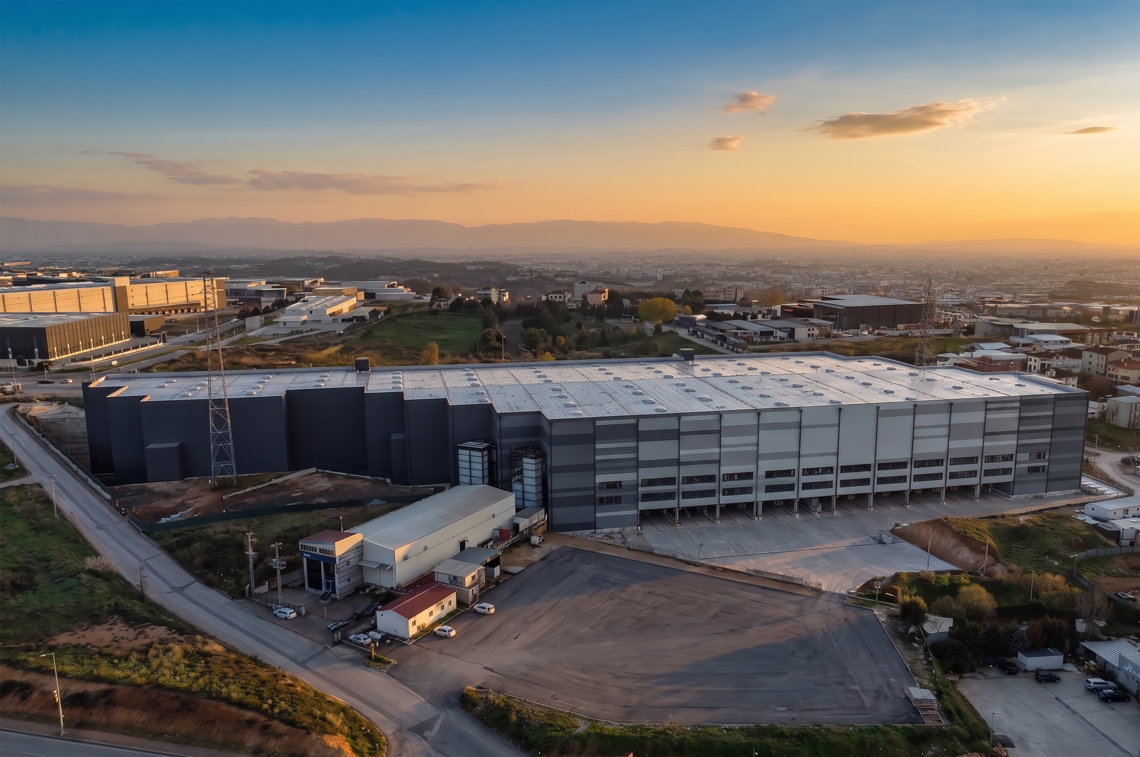
Following completion, Arvato expects its Turkish network to comprise 26 warehouses with more than 1.2 million m² of logistics space. Ekol’s existing Turkish distribution estate accounts for approximately one million square metres of enclosed facilities within that proposed combined total. The two figures describe different footprints and cannot be added together. The companies have not identified site closures or a consolidated warehouse location as part of the transaction.
Bertelsmann chief executive Thomas Rabe told Reuters that the acquisition value exceeds €500 million, making it Arvato’s largest investment to date. He expects the enlarged Turkish business to generate approximately €460 million in annual revenue. The first figure describes the value attributed to the transaction; the second is an estimate of future annual turnover after the businesses combine. Neither is a disclosed cost-saving target or a realised result from the enlarged operation.
Ekol was founded in 1990 and has built substantial warehouse and distribution operations serving fashion, consumer goods, electronics, healthcare and automotive customers. Around 4,500 employees are associated with its business. Arvato has operated in Türkiye since 2005, giving the two companies an existing overlap in the local market alongside the expansion in geographic coverage. Rabe said he expected competition approval within six months, but that remains a forecast rather than a clearance already granted.
The acquired national distribution network would extend Arvato’s reach beyond the warehouses already serving its Turkish customers. Inventory held at one distribution centre still has to be allocated to orders and connected with line-haul departures, cross-docking movements and local deliveries. Ekol’s domestic infrastructure adds established handling points and transport connections for those final stages. Keeping order data aligned with vehicle departures will be a practical consideration when Arvato begins integrating the network.
Warehouse execution also becomes more complicated when a customer manages several sales channels through one stock pool. A business may distribute goods to shops, fulfil individual online purchases and replenish commercial customers with different quantities and service cut-offs. Those requirements affect how orders are prioritised, inventory is allocated, and packaging and dispatch processes are scheduled. The transaction could bring together a wider selection of these services, although specific technology integration projects have not yet been announced.
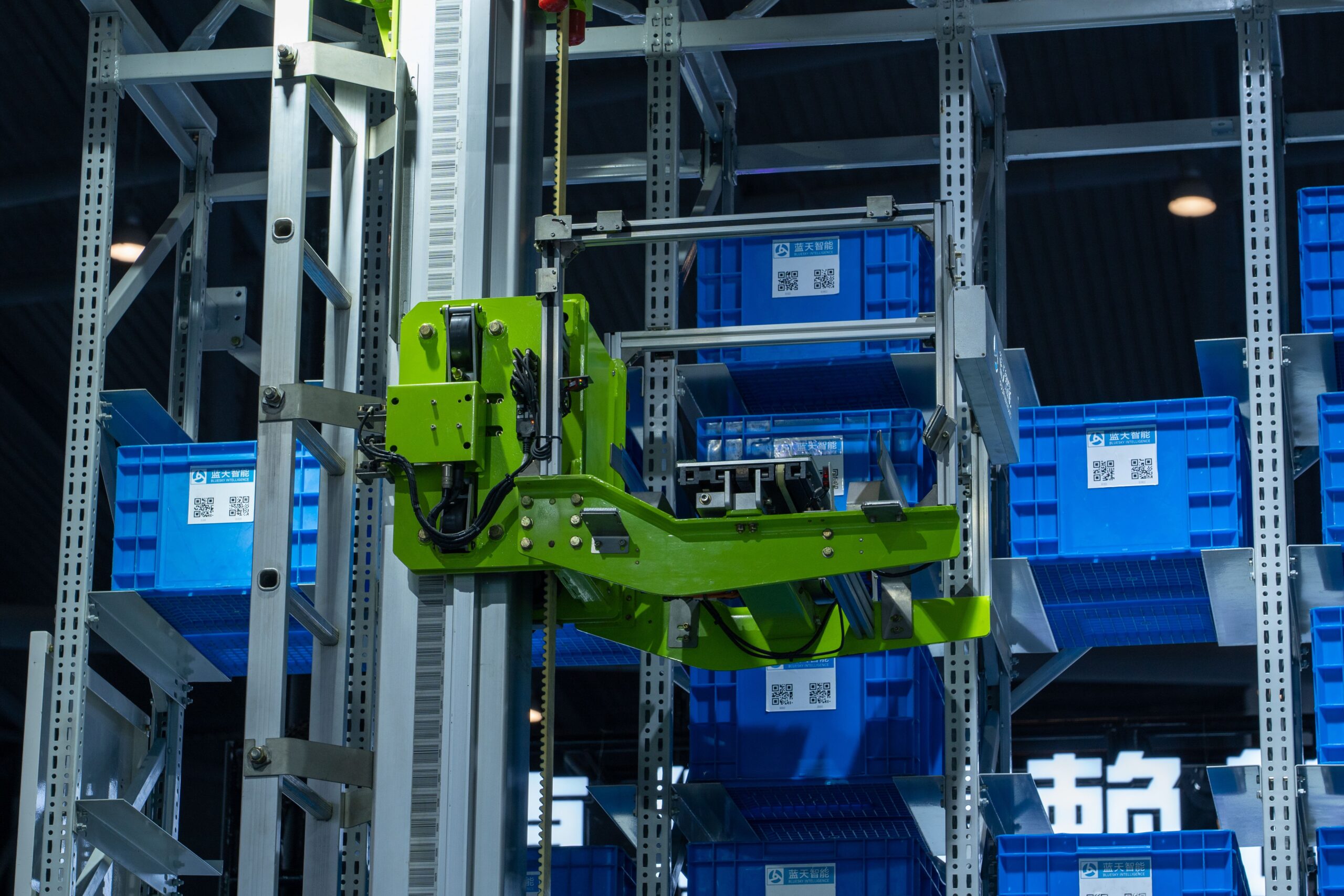
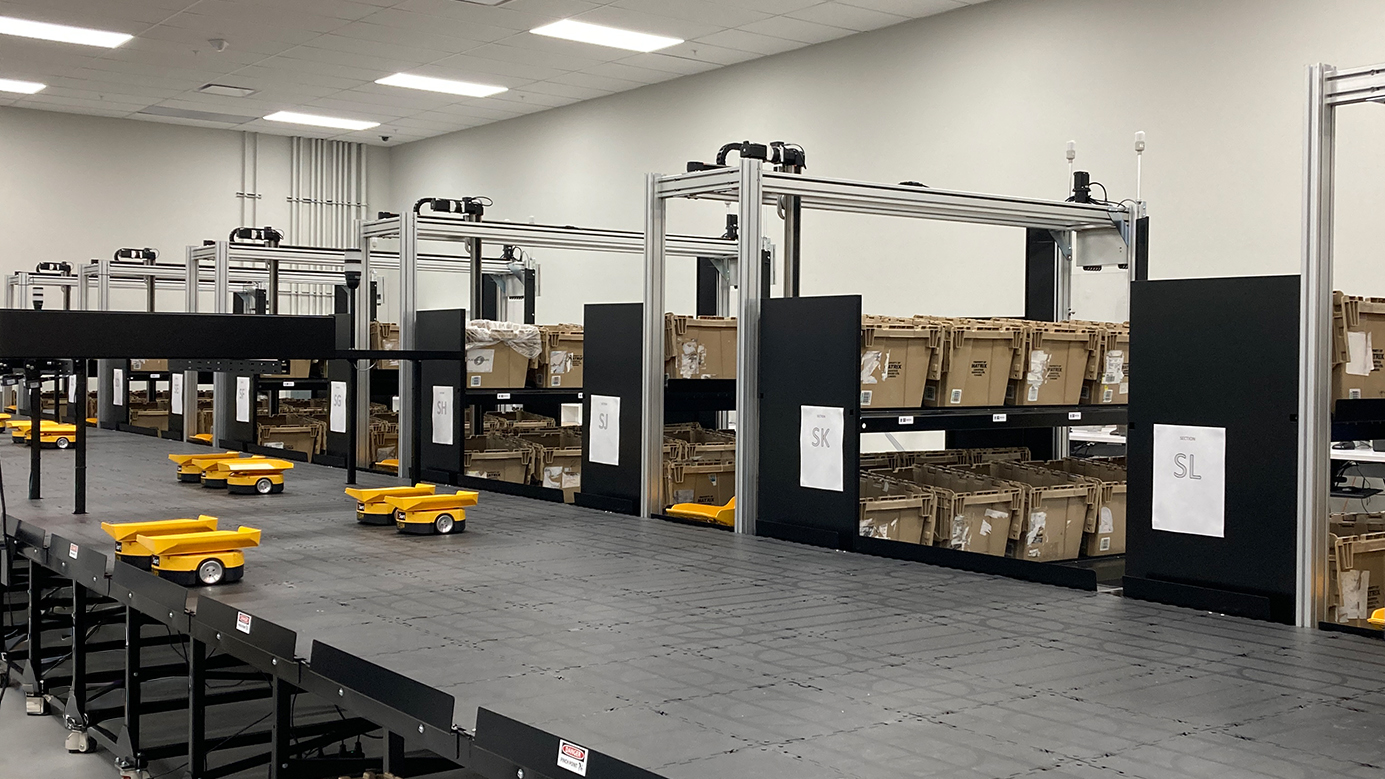
Ekol also identifies warehouse automation among the systems included in the business being sold. Such equipment can move, store, identify and sort goods, but its operating instructions must align with the warehouse management system and customer order data. Arvato has not disclosed which existing Ekol systems will be retained or how they will connect to its own software. The transaction adds operational capabilities and physical assets before any common technology architecture has been established.
Ekol has committed to continue meeting customer obligations during the regulatory review. Its warehouses already handle stock and distribution for businesses that depend on traceability, delivery schedules and established handling procedures. Those operations will need to continue while the companies prepare any future reporting or technology changes. No pre-completion alteration of customer service arrangements has been announced.
Integrating two contract logistics businesses also requires attention to property commitments, workforce deployment and the terms of individual customer contracts. Warehouse processes that suit consumer products may not be immediately interchangeable with those used for automotive components or healthcare distribution. Product security, traceability, packaging specifications and service commitments can vary considerably. The companies have not disclosed a integration plan for individual sites or the amount of any intended capital expenditure following completion.
Türkiye’s manufacturing, retail and healthcare customers use different warehouse and delivery arrangements, from bulk replenishment to individual order fulfilment. A larger national network could allow Arvato to offer those services across more locations, although service patterns depend on the individual customer contracts and the stock each facility holds. Rabe’s forecast for Turkish revenue describes the expected scale after completion, rather than proven growth from the proposed combination.
Ekol’s workforce and domestic infrastructure are particularly important because the acquired operations are already serving customers. A transfer that preserves continuity can avoid the need to build an equivalent warehouse network from scratch, but the transaction does not eliminate the operational challenge of consolidating management and information flows. The companies have not confirmed a completion date or announced an immediate workforce restructuring programme.
The next formal step is regulatory clearance, which Rabe expects within approximately six months. Until the agreement closes, Arvato and Ekol continue operating separately. The planned network of 26 warehouses and more than 1.2 million m² sets out the acquisition’s physical scale; the detailed integration of stock systems, staff and domestic transport operations remains to be determined.