IN Brief:
- The Port of Gothenburg will install approximately 1,250 metres of overhead railway electrification infrastructure.
- Direct electric locomotive access could reduce container train turnaround times by up to 30 minutes.
- The project will improve conditions for handling trains of up to 750 metres, compared with the current 630-metre departure yard constraint.
The Port of Gothenburg is investing in railway electrification at its container terminal, removing an infrastructure constraint that currently requires additional shunting movements between the port's departure yard and container handling tracks.
Construction is scheduled to begin in 2027, covering approximately 1,250 metres of overhead electrical infrastructure supported by 38 masts and their associated foundations. The project also includes improvements to level crossing protection and the construction of an emergency access road.
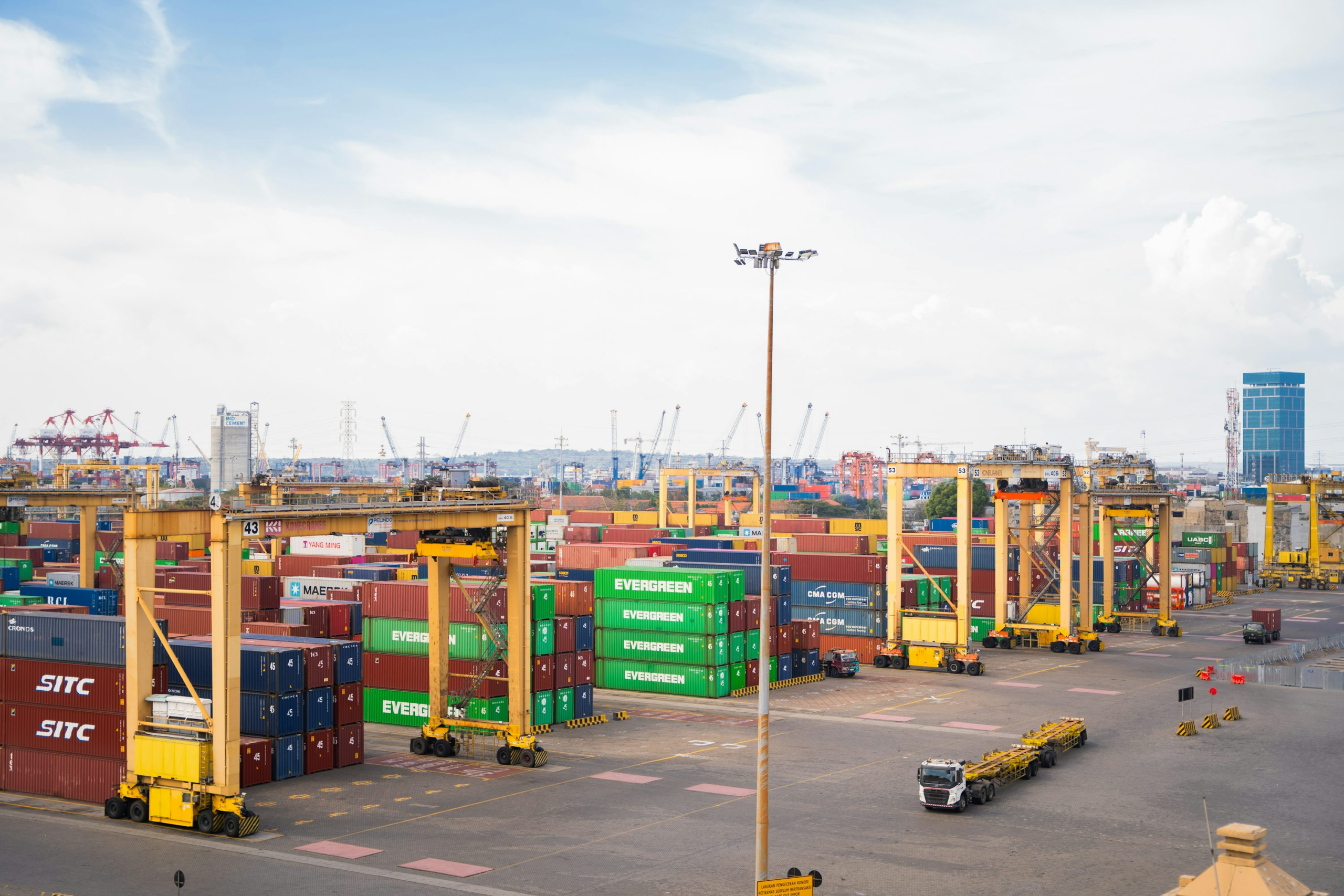
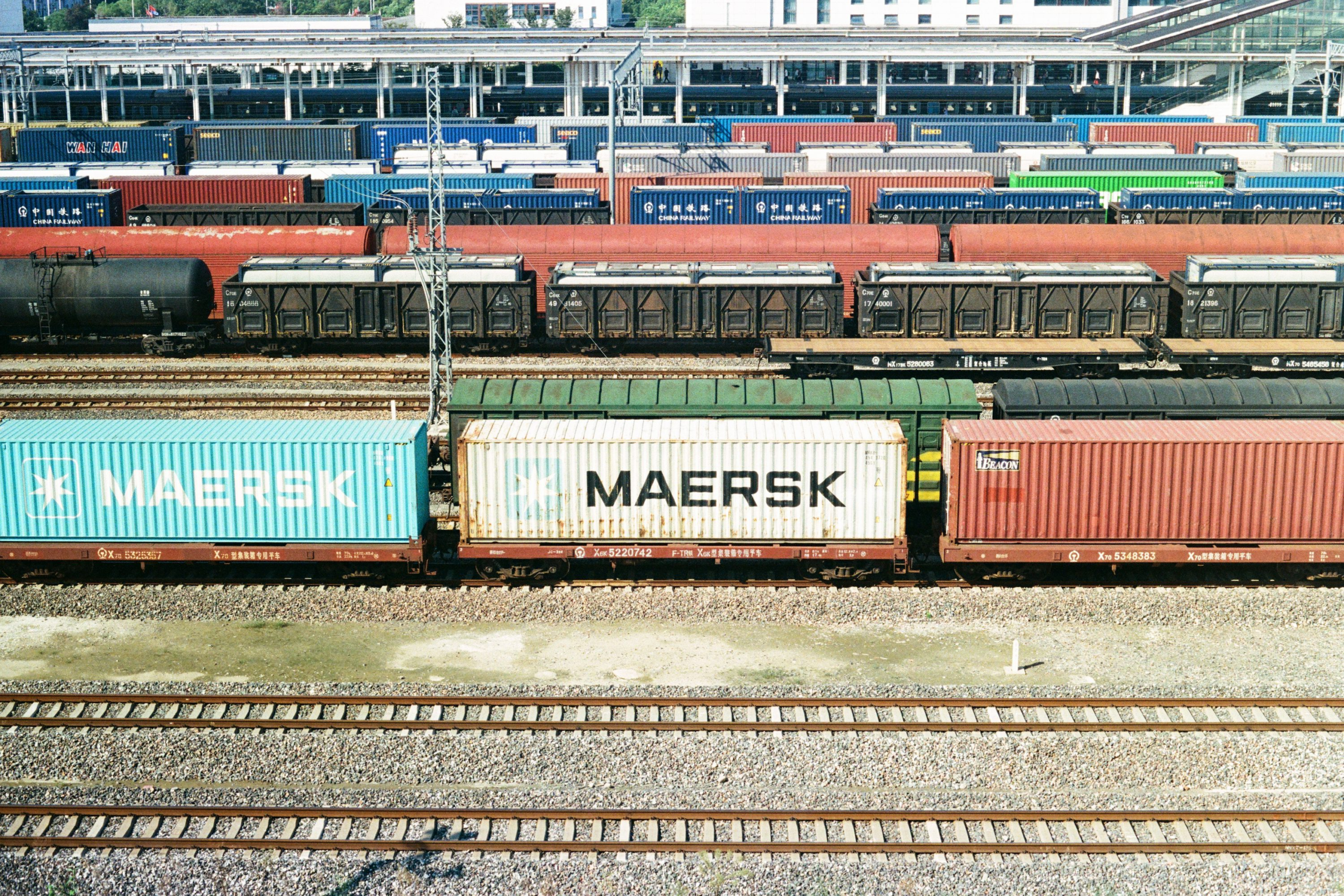
The container terminal, operated by APM Terminals, handles around 80 trains each week and serves more than 20 Swedish destinations. Electrification will allow electric locomotives to access the terminal's handling tracks directly, reducing the need to transfer wagons using separate shunting equipment.
The port expects the revised operating arrangements to shorten the overall turnaround time of container trains by up to 30 minutes. Removing some intermediate movements will also release capacity within the departure yard, where existing track lengths limit the size of freight formations.
The yard currently accommodates trains of approximately 630 metres, whereas the planned arrangements will improve conditions for handling formations of up to 750 metres. The additional 120 metres represents an increase of around 19% in physical train length, although the corresponding increase in container capacity will depend on locomotive and wagon configurations.
Increasing the volume of freight carried within each train path can improve the economics of railway operations where the number of available paths is constrained. Locomotive and crew costs can be distributed across more containers, provided that the remaining infrastructure along the route can accommodate the longer formations.
The benefits of Gothenburg's investment will therefore extend beyond the time spent handling individual trains. Reducing the port's internal constraints could improve the utilisation of existing railway services without requiring a proportional increase in departures from the terminal.
Sweden's railway connections have become a substantial component of Gothenburg's container business. The port handled a record 529,000 twenty-foot equivalent units (TEU) by rail during 2025, with volumes continuing to increase during 2026.
Across its wider railway network, Gothenburg offers more than 30 daily shuttle services connecting the port with inland destinations in Sweden and Norway. These services allow containers to move between maritime terminals and inland distribution infrastructure, where road freight can provide shorter onward connections to manufacturing facilities and warehouses.
The electrification project follows investment at the port's separate Arken intermodal terminal. In October, the port completed work to release additional space for cargo handling by reorganising its railway infrastructure. Arken incorporates seven electrified tracks with a combined length of 3,360 metres.
At the container terminal, direct electric access will complement earlier efforts to reduce emissions associated with railway shunting. ProTrain, which undertakes shunting operations across the port, announced investment in locomotives powered by hydrotreated vegetable oil in February.
ProTrain estimated that using HVO100 could reduce emissions from its own railway operations at the port by up to 90%. The fuel provides an alternative in areas where electrification is impractical, including locations outside the port where existing infrastructure restricts the installation of overhead lines.
Removing diesel-powered movements from the container terminal's handling tracks addresses a different part of the same operational requirement. Electric locomotives can remain responsible for a train over a greater proportion of its journey, reducing the number of equipment transfers and associated movements.
The construction programme must accommodate the requirements of an active freight terminal. Installing overhead lines near container handling equipment requires coordination between electrical infrastructure, railway movements, crane operations, and the procedures used to provide safe access to the tracks.
Level crossing protection will form part of that integration, addressing the interaction between railway operations and vehicles moving through the terminal. The planned emergency access road will provide an additional infrastructure improvement alongside the electrical works.
The project is also taking place within a wider programme of maritime capacity investment. Gothenburg recently selected a contractor for deepening its container fairway, part of the Skandia Gateway programme intended to improve access for larger vessels.
Increasing maritime capacity places corresponding demands on inland transport because larger cargo exchanges can concentrate demand for container collections within shorter periods. Railway services provide a means of distributing part of that volume beyond the immediate port area, although their effectiveness depends on the availability of handling equipment and timely departures.
With construction due to begin in 2027, the electrification project will address the final railway connection into the container terminal. Its anticipated turnaround savings and improved train length capability will complement the investments already being undertaken elsewhere in Gothenburg's intermodal network.