IN Brief:
- The inaugural Mundra–Patli working carried Red Bull India consignments in a pooled multistakeholder movement.
- Multicarrier block trains combine cargo from several stakeholders into a dedicated rail formation.
- The service links west-coast port handling with inland terminal capacity serving northern India.
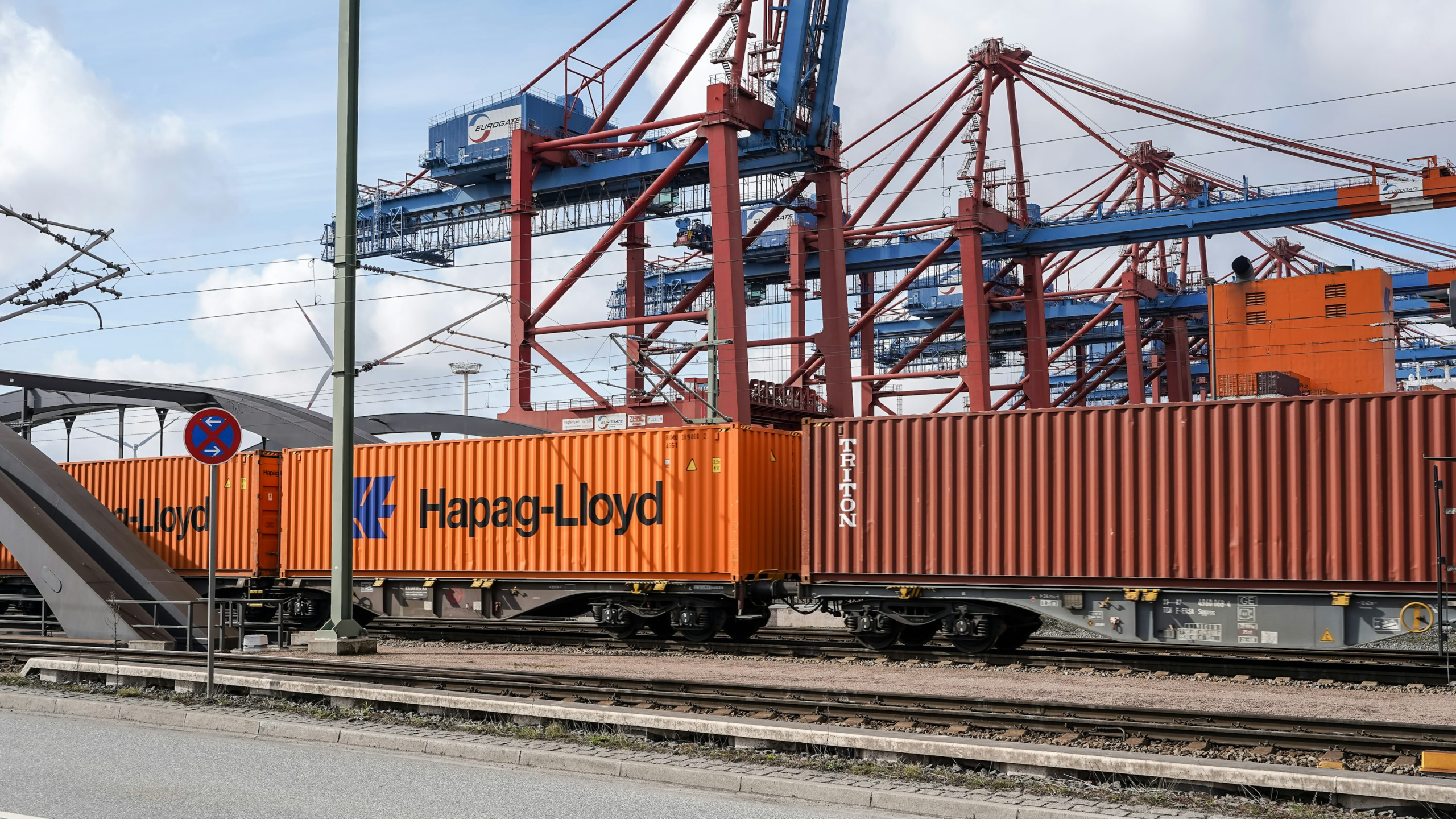
Adani Logistics has operated Maersk’s first multicarrier import block train from Mundra Terminal to ICD Patli, carrying consignments for Red Bull India in a coordinated movement linking the west-coast gateway with an inland logistics hub serving northern India.
The multicarrier structure brings cargo involving several stakeholders into one block-train movement rather than relying on a single customer to provide the full load. Pooling sufficient container volume can make a dedicated rail formation viable for shippers whose individual consignments would not justify a train on their own.
Mundra and Patli already sit within Adani Logistics’ wider multimodal network. The company operates 11 multimodal logistics parks across India, including facilities at both locations, and combines rail, road, warehousing, customs clearance, cargo aggregation, stuffing and de-stuffing services across more than 50 domestic cargo locations.
The new working puts those assets into one import flow. Containers have to be discharged at Mundra, assembled into the rail movement, moved inland and released at Patli with documentation and terminal handling coordinated around the train schedule. The reliability of the service therefore depends on the interfaces between port, rail and inland-depot operations as much as the line-haul journey itself.
Block trains are most effective when operators can concentrate enough freight to maintain regular departures and high wagon utilisation. A multicarrier model broadens the available cargo pool, but it also creates a more complicated planning task because boxes belonging to different customers and shipping interests have to reach the train within a workable loading window.
The service enters a rail network already handling high freight volumes. India’s dedicated freight corridors averaged 438 trains a day during August, equivalent to more than 91% of their stated combined train capacity. Further container growth will consequently depend increasingly on train utilisation, terminal productivity and the efficiency of connections between the dedicated corridors and conventional railway infrastructure.
Rail can reduce dependence on long-distance road haulage for the trunk movement while trucks continue to handle first- and last-mile legs where required. The model is particularly suited to repeat import flows moving between a major container gateway and inland consumption or distribution centres, provided the train can achieve dependable frequency and transit times.
The physical rail path is only one capacity constraint. Containers also require crane availability, yard space, documentation, inland-depot handling and road collection at destination. A train arriving quickly at an inland terminal offers little benefit if boxes then remain in the yard waiting for clearance or onward transport.
Adani’s wider port and logistics figures show why inland evacuation is becoming more prominent. Adani Ports and Special Economic Zone handled a record 50 million tonnes of cargo during August, with container volumes up 15% year on year. Rail logistics volumes improved sequentially during the month, although cumulative rail volumes remained below the comparable period last year.
Increasing marine throughput places additional pressure on equipment circulation and inland transport. More import boxes arriving at berth require enough trains, trucks, depot slots and empty-container capacity to prevent terminal growth from turning into congestion elsewhere in the network.
The Mundra–Patli movement adds another option for building those inland flows, but one inaugural train does not establish a scheduled corridor. No regular frequency, committed volume or broader customer programme has yet been disclosed.
Those figures will determine whether the multicarrier structure becomes a repeatable logistics product. Regular departures would require sufficient pooled cargo, predictable train paths, available equipment and dependable handling at both terminals, particularly when competing freight flows are already using much of the available rail capacity.
The first movement nevertheless establishes the operating model: cargo involving several stakeholders can be assembled into a single import block train from Mundra to Patli. Its longer-term value will be measured by whether that model develops into a routine inland service rather than remaining an isolated first departure.