IN Brief:
- CEVA’s 508,000ft² Derby warehouse is scheduled to begin operating in August 2026.
- The facility includes more than 147,000 dynamic pick faces and adaptable block-stack capacity.
- EPC A+, BREEAM Excellent, and rooftop solar specifications support lower-energy operation.
CEVA Logistics is preparing to open a 508,000ft² ecommerce fulfilment operation in Derby, adding large-scale storage, picking, and distribution capacity to its UK contract logistics network.
The warehouse is scheduled to begin operating in August 2026 and is expected to create approximately 300 jobs. CEVA will manage customer inventory through storage, handling, picking, and distribution processes designed to support fast-moving products destined for addresses across the UK.
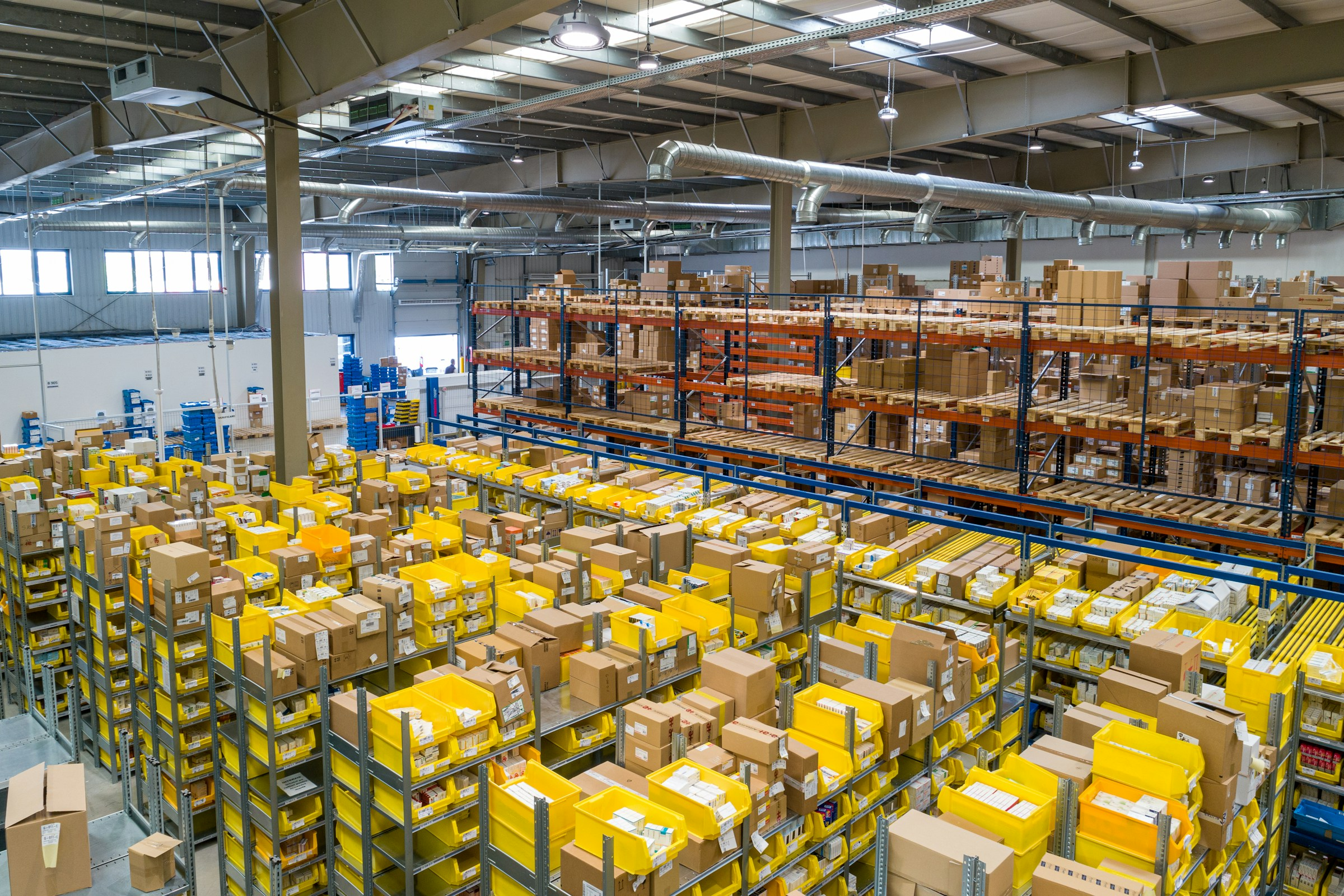
More than 147,000 dynamic pick faces have been designed into the operation, alongside variable storage locations and block-stack floor space. Additional racking can be installed as volumes rise, allowing the warehouse to move between high-density storage, seasonal stockholding, and more open operating layouts without enlarging the building.
The property carries an EPC A+ rating and BREEAM Excellent certification, while a rooftop solar installation will contribute electricity to the site. Building efficiency, generation capacity, charging infrastructure, automation, lighting, heating, and shift intensity will together determine the warehouse’s final energy profile.
Fewer than 20 weeks separate the contract award from planned operational commencement. Within that period, CEVA must complete systems configuration, fit-out, equipment installation, recruitment, training, inventory planning, testing, customer acceptance, and the sequence through which stock enters the building.
Rapid mobilisation compresses several risks that are usually spread across a longer implementation. Warehouse-management data, product dimensions, location logic, replenishment rules, pick paths, packing instructions, carrier labels, and dispatch cut-offs must perform together before volume reaches steady operating levels.
The Derby layout reflects the competing demands placed on ecommerce buildings. Dense racking and fixed automation can improve output when order profiles are stable, yet rapidly changing ranges, promotions, product dimensions, and sales channels require space that can be reassigned without extensive reconstruction.
CEVA has been developing a broader UK ecommerce proposition spanning fulfilment, online returns, cross-border services, transport, and last-mile carrier management. That operating model was examined in its expansion into the more complex parts of ecommerce logistics, where inventory accuracy and returns processing increasingly shape the commercial result.
The company’s renewed relationship with Ocado Retail adds another example of warehouse capacity being tied closely to upstream stock flow. At Kettering, CEVA has reworked warehouse-management processes, pick faces, replenishment, and pallet configurations to support Ocado’s customer fulfilment centres, as outlined in the renewed national consolidation agreement.
Derby will require a similarly disciplined balance between physical capacity and systems control. A building can contain thousands of pick faces without producing reliable service when stock records are inaccurate, replenishment is late, or packing and carrier lanes become congested during peak periods.
Recruiting approximately 300 employees before launch adds another layer to the implementation. Supervisors, inventory controllers, systems specialists, engineers, operatives, trainers, and health-and-safety staff must become familiar with a new layout and operating process while customer stock is being introduced.
The East Midlands offers strong motorway access and an established logistics labour market, although the density of warehouses and parcel hubs creates competition for experienced staff. Employers across Derbyshire, Leicestershire, and Nottinghamshire recruit from overlapping communities, particularly for engineering, systems, and supervisory roles.
Automation can reduce selected labour requirements but does not remove the need for operational depth. Exceptions, damaged goods, inventory discrepancies, returns, equipment faults, and late carrier changes still require human judgement, while highly mechanised operations need technicians capable of restoring flow quickly after disruption.
The building’s location supports national delivery coverage, yet warehouse geography alone will not settle final-mile cost. Carrier allocation, parcel density, order cut-offs, returns, packaging, and the distance between stored inventory and the eventual customer can outweigh efficiencies achieved within the building.
Rooftop solar and an efficient building envelope should moderate electricity demand, although the greatest environmental gains will come when energy, stock placement, packaging, transport, and returns are managed as a connected system. A low-energy warehouse feeding poorly utilised vehicles would leave a substantial part of the network’s emissions untouched.
CEVA’s Derby investment provides considerable physical headroom, but its success will be decided at operational level: whether replenishment reaches the pick face before demand, whether stock remains accurate through rapid volume growth, and whether carrier handovers leave the building on schedule. The warehouse supplies the scale; disciplined execution must turn it into service.