IN Brief:
- GLOVIS America signed a long-term agreement for approximately 32 additional berth-adjacent acres at Port Tampa Bay, expanding its 48.5-acre footprint.
- The completed development is expected to accommodate about 10,000 vehicles at a time, including approximately 3,000 extra storage positions.
- Work began on the first 12 acres in August 2026, with the remaining 20 acres targeted for completion by late 2027 alongside new vehicle-processing functions.
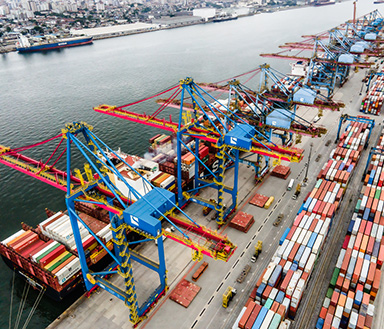
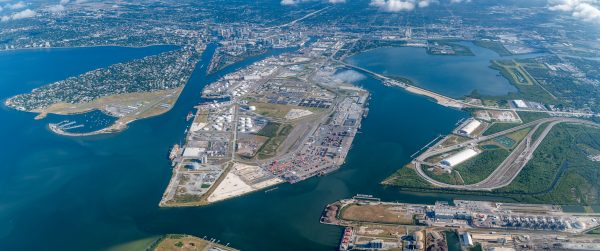
GLOVIS America has signed a long-term agreement with Port Tampa Bay for approximately 32 acres of additional land adjoining its finished vehicle terminal. The arrangement would increase the logistics operator’s waterfront footprint from 48.5 acres to more than 80 acres, creating room for additional vehicle storage, preparation and onward distribution activities.
Announced on 9 November, the agreement would increase the terminal’s footprint by approximately 66%. When the works are complete, GLOVIS expects the site to accommodate around 10,000 vehicles at one time, including an estimated 3,000 new parking positions. Those numbers concern site area and storage capacity, not a forecast of additional vehicles shipped through Tampa in a year.
The expansion will be delivered in phases. Work started on the first 12 acres in August 2026, before the November agreement was publicised; development of the remaining 20 acres is targeted for completion by the end of 2027. The agreement gives GLOVIS operational control over the additional berth-adjacent property, while the full planned capacity remains dependent on completing site improvements.
Finished vehicle logistics involves a sequence of ship discharge, identification, inspection, temporary storage and release to road or rail carriers. Arriving cars cannot always leave the quay immediately, because inland transport slots and customer requirements may differ from a vessel’s discharge schedule. Additional parking space near the berth can ease that mismatch without requiring the same vehicles to be moved to an external compound.
The property at Hooker’s Point is close to the port’s principal cargo berths and CSX rail infrastructure. GLOVIS expects the location to reduce transfers to off-site parking and the return journeys they generate. Actual journey savings will depend on how vehicles are allocated to the new blocks, the location of processing buildings and the availability of road and rail collections.
Moving vehicles to an off-site compound adds driving, recording and security steps to the operating process. A vehicle has to be identified and tracked each time it changes location, while staff must organise a later transfer for inspection or customer collection. Keeping more of the inventory alongside the terminal can reduce those handling stages, although a larger on-site yard also needs clear internal circulation routes.
GLOVIS has completed the renovation of a 33,000 sq ft building at the terminal and is developing a car wash and body shop. The renovation is already finished, whereas the additional vehicle-processing functions remain in development. Neither the November agreement nor the port’s published information provides a confirmed processing rate for those facilities.
Automotive processing requirements differ between manufacturers and vehicle batches. Preparatory checks can involve transport damage inspection, cleaning and work required before dispatch, while further repair or modification depends on specific customer contracts. Extra processing space increases potential capability, but it does not itself show how quickly vehicles can be released from the terminal.
Access to CSX rail infrastructure also gives the terminal a possible option for longer inland distribution movements. Road carriers remain important for regional deliveries and locations outside the rail network. The company has not identified a new dedicated rail service or quantified a transfer of vehicle volumes between road and rail as part of this agreement.
Port Tampa Bay says the partnership with GLOVIS has handled more than 160,000 vehicles since it began in 2022. That is a cumulative volume across several years and should not be confused with the planned 10,000-vehicle storage capacity. Actual annual throughput depends on how frequently the same spaces turn over as vehicles arrive and depart.
RoRo vessels may deliver large batches of vehicles in a short operating window, after which available parking blocks and collection slots determine how quickly the inventory can clear. An additional 3,000 storage positions could provide flexibility during those peaks, but the benefit is conditional on accurate location records, inspection capacity and sufficient access to the despatch gates.
An enlarged footprint can create longer internal journeys if vehicle preparation buildings and gates are poorly positioned relative to the new parking blocks. The layout of rows, traffic lanes and inspection facilities will influence how efficiently the new land operates. Port Tampa Bay has not published detailed yard-design measures showing the reduction in average vehicle movements expected from the expansion.
This is a further stage in an existing port partnership, not the first development at Hooker’s Point. In 2023 the port approved a separate agreement involving more vehicle land and a processing building. The newly secured 32 acres build on that earlier property arrangement rather than duplicating it.
GLOVIS says the enlarged terminal is intended to serve its existing automotive customers and support new original equipment manufacturer business in Florida and the southeastern United States. Neither the operator nor the port has announced a new volume commitment from an additional manufacturer, the value of the property agreement or a guaranteed annual throughput increase.
The first 12-acre phase has already started, but the remaining work extends into 2027 if the programme is delivered on schedule. Completion of paving and storage blocks may not coincide with commissioning of the car wash and body shop, and the company has not given a single date on which all additional services will be available.
The latest agreement secures land directly connected to the port’s vehicle operation. Completion of the remaining acreage, the new processing functions and subsequent usage figures will show whether the larger footprint translates into fewer off-site transfers and faster vehicle release.