IN Brief:
- Rockwell has signed an agreement to acquire Austria-based AGILOX, but the transaction has not completed.
- AGILOX’s autonomous forklift systems would complement Rockwell’s OTTO flatbed mobile robot platform.
- The companies expect the transaction to close in the second quarter of Rockwell’s 2027 financial year, subject to conditions.
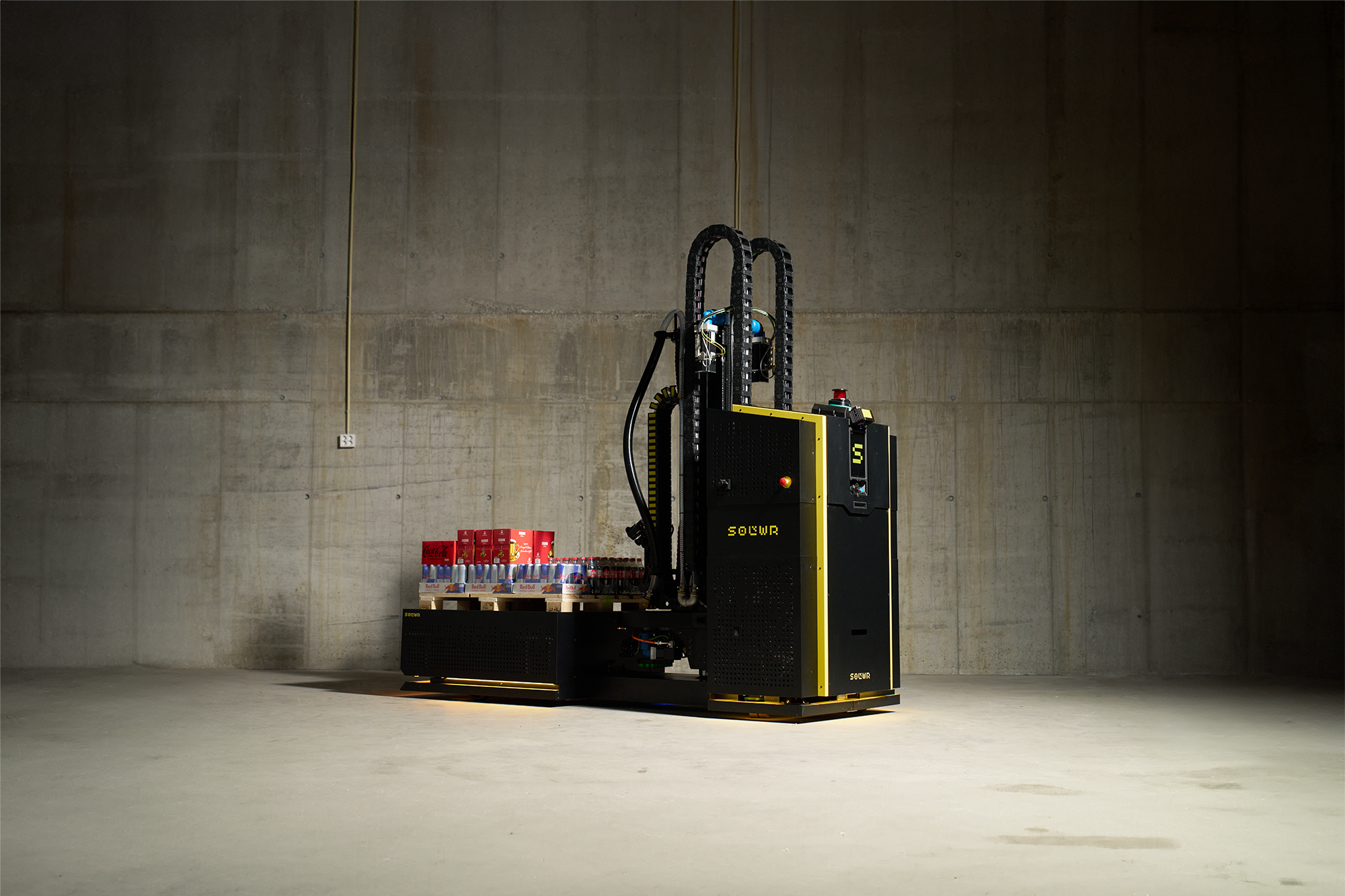
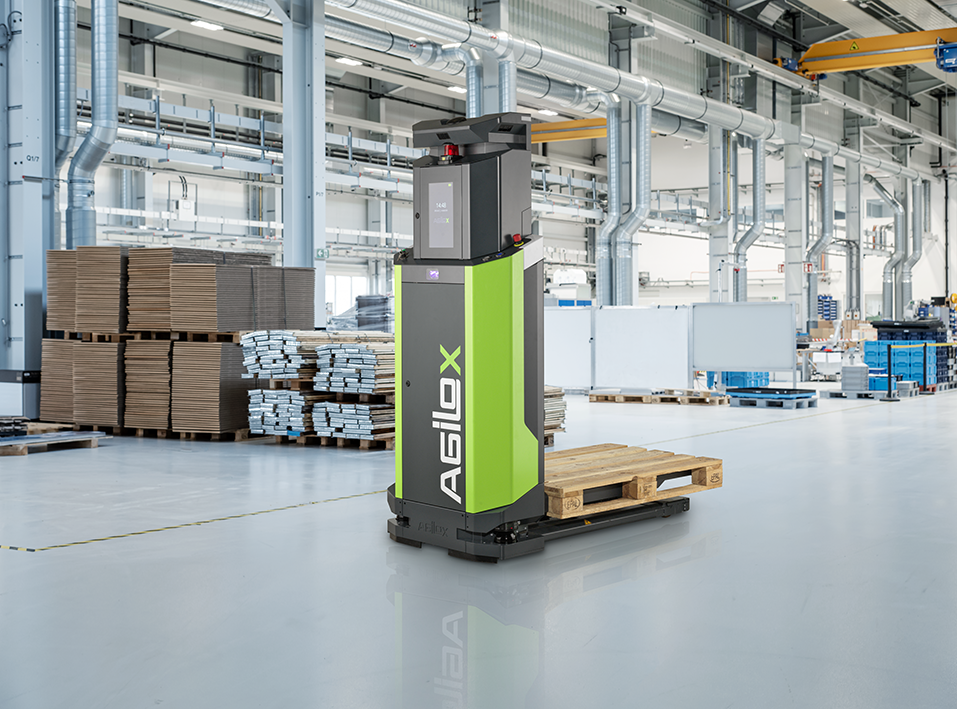
Rockwell Automation has signed a definitive agreement to acquire Austrian autonomous mobile robot manufacturer AGILOX, combining different types of industrial material movement technology under one supplier if the transaction completes. The proposed purchase would bring AGILOX’s forklift-style robots alongside the OTTO flatbed autonomous mobile robot platform already owned by Rockwell. The acquisition was announced on 18 November, and remains conditional rather than a completed transfer of ownership.
AGILOX, based in Neukirchen bei Lambach, Austria, develops mobile robots that transport loads through factories and warehouses. Its seller, Carlyle, reports more than 2,500 deployed robots, over 400 customers, and a workforce exceeding 250 people. The business has subsidiaries in Europe, the United States, and China. Those installed-base figures describe AGILOX before the transaction and do not measure any benefit from combining its systems with Rockwell’s.
Rockwell acquired the OTTO mobile robot business through its earlier purchase of Clearpath Robotics. Its current OTTO offering centres on flatbed vehicles designed to transport material between points in production and logistics operations. AGILOX brings robots configured to lift and transport loads using forklift-style handling. The two configurations address different load interfaces: a flatbed needs a suitable loading and unloading arrangement, while a lifting vehicle can engage with compatible pallet or load-transfer positions.
Load geometry and transfer arrangements determine which vehicle can perform a warehouse task. Forklift-type robots need clearance to approach a pallet, lift it, and set it down at a compatible position; flatbed vehicles generally need equipment or a process to transfer a load onto or off their deck. The weight, dimensions, centre of gravity, and stability of each unit also affect route design. A system built for moving wheeled carts is not interchangeable with one required to collect pallets from different floor or rack positions.
AGILOX describes navigation software, artificial intelligence, and swarm networking for coordinating movements across its robot fleets. A shared route may contain narrow aisles, pedestrian crossings, and loading points where several vehicles compete for access. Job allocation must account for vehicle position, available charge, and the handover required at each end of a trip. Rockwell has not published a trial showing that AGILOX and OTTO vehicles already share a common fleet controller or scheduling system.
A production logistics system also depends on information from outside the robots. Manufacturing execution systems identify when materials are required at workstations, while warehouse management software tracks stock locations and release instructions. Robot controllers can turn those requests into movements only when identifiers, destinations and material availability match. Mislabelled stock, blocked hand-off points or an incomplete production order can interrupt an otherwise automated journey.
A broader product portfolio raises specific integration questions. Fleet management software must know which vehicles can carry each load and when a handover point is available; warehouse and manufacturing systems must recognise stock movements made by either type of robot. Installed customers will also need compatibility information for their existing software interfaces, service agreements, and maintenance procedures. Rockwell has described an intended combined offering, while the detailed platform integration remains to be established after completion.
Safety and traffic design remain site-specific. Mobile robots working beside people, lift trucks and fixed equipment need appropriately configured speed controls, obstacle detection, protective fields and operating rules. The demands change around loading docks, pedestrian crossings and restricted machine zones. Validation must reflect actual loads, vehicle behaviour and working conditions, rather than assuming that one machine’s safety assessment automatically covers a broader mixed fleet.
Robot charging, servicing, and recovery procedures set further limits on fleet availability. Charging points have to accommodate the number and types of batteries in use, while technicians need safe isolation procedures and equipment-specific diagnostic access. A failed vehicle in a narrow traffic route can affect more than the job assigned to it, making recovery routes and traffic controls part of the installation design. Rockwell has not set out new service levels for customers under the proposed acquisition.
Rockwell says AGILOX’s presence in Europe would complement OTTO’s established strength in North America. Carlyle reports a network of more than 40 AGILOX partners operating across over 35 countries, giving the Austrian business sales and integration routes beyond its direct offices. This geographic complement is a commercial rationale for the purchase; it should not be interpreted as a commitment to change existing distribution or support contracts immediately.
Rockwell expects the acquisition to more than double its autonomous mobile robot business, a projection based on combining its existing activity with AGILOX. Neither buyer nor seller has disclosed a purchase price. After closing, Rockwell intends AGILOX to become part of its Intelligent Devices operating segment; until then the businesses retain their separate ownership and operating arrangements.
Completion is expected in Rockwell’s second financial quarter of 2027, subject to regulatory approval and other customary conditions. The transaction would extend Rockwell’s offering into autonomous forklift applications and give AGILOX access to a larger industrial automation supplier. Deployment plans, software compatibility arrangements, and any site-level efficiency gains will have to be demonstrated separately once the businesses are combined.