IN Brief:
- Tanco Builders and CNECC Engineering have accepted a RM700m contract for an industrial warehouse complex at Pulau Indah.
- The development includes two ambient warehouses, refrigerated storage, a compressor room, and a 33kV substation.
- The contract has commenced, although physical works depend on planning approvals, with overall completion targeted for November 2028.
Tanco Holdings has secured a RM700m contract for an industrial warehouse complex at Pulau Indah in Selangor through a consortium involving its subsidiary Tanco Builders and CNECC Engineering (Malaysia). The development will combine ambient warehousing, refrigerated storage, and supporting industrial infrastructure, with overall completion targeted for November 2028.
The contract was awarded by Jaroses Partners Sdn Bhd, with the two contractors accepting the letter of award on 5 November. It follows a collaboration established in December 2025 between Tanco Builders and CNECC Engineering to pursue large warehouse and logistics construction projects in Malaysia.
The site is located along Lebuh Raya Pulau Indah, within the industrial and freight corridor serving Port Klang. The planned development comprises two single-storey ambient warehouses, a separate cold storage warehouse and compressor room, an office building, a canteen, and a surau. Supporting facilities include a 33kV electricity substation, pump house, guard house, and sewage treatment plant.
The construction contract covers labour, machinery, plant, materials, and transport, together with the building works, testing, commissioning, and handover of the completed complex. Maintenance during the defects liability period is also included, extending the contractors’ responsibilities beyond the physical completion of the buildings.
Although the contractual commencement date is 5 November, the start of earthworks depends on Jaroses Partners obtaining planning permission and early earthworks approval. The construction programme therefore remains subject to regulatory and site development requirements. Acceptance of the contract should not be taken as confirmation that excavation or building construction has already begun.
Earthworks are scheduled to take six months from their authorised commencement, excluding any additional periods required for ground settlement, soil consolidation, monitoring, testing, and certification. Building construction and the remaining works are subject to separate building plan approval and commencement documentation, with an 18-month completion period from that stage.
The electrical substation has its own contractual milestone, requiring completion within 12 months after the earthworks are finished. These separate work packages will need to be coordinated as the project progresses towards the overall November 2028 target, particularly where the commissioning of warehouse equipment depends on the availability of permanent utilities.
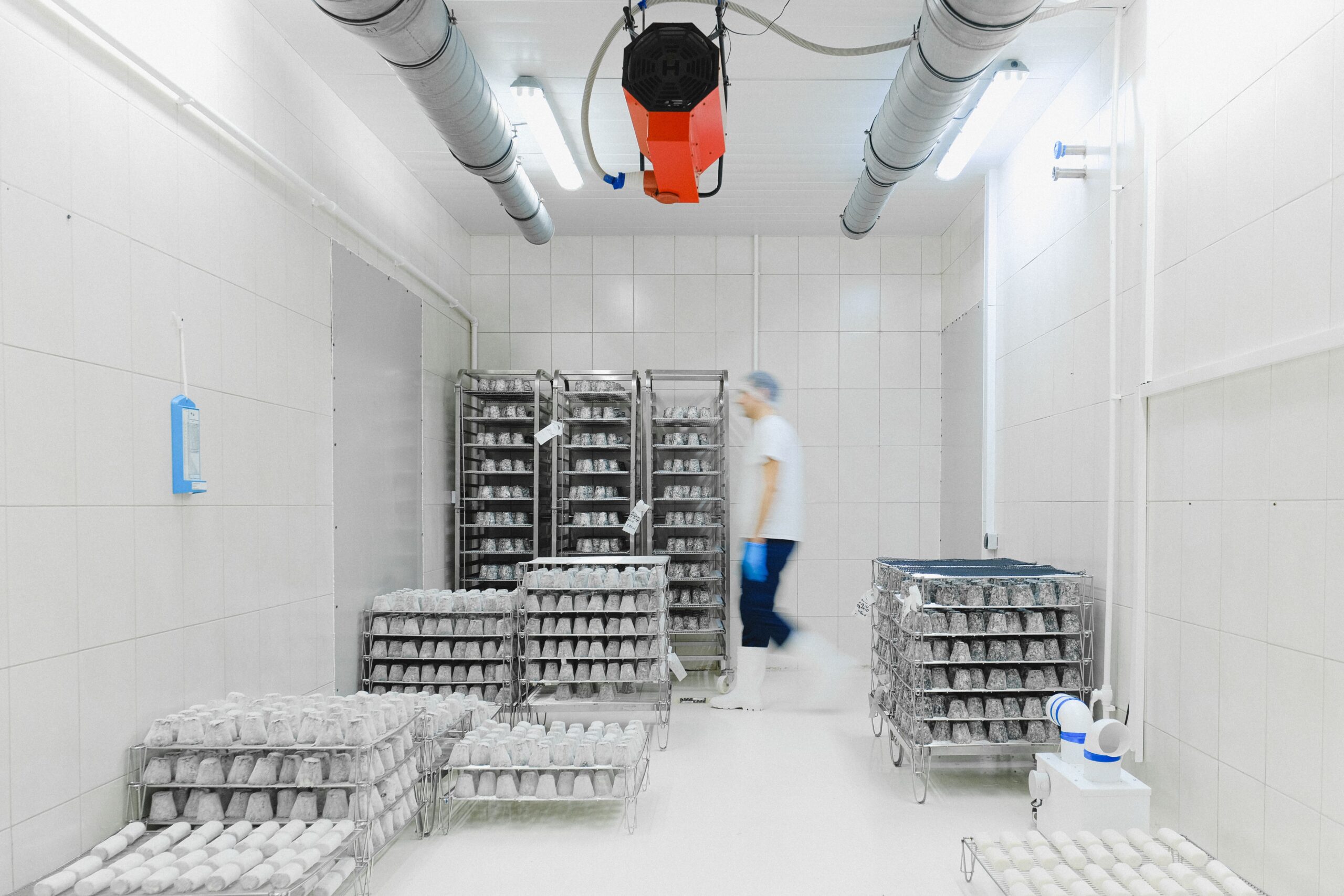
The cold storage component introduces mechanical and electrical requirements that differ from those of the ambient warehouses. Refrigerated buildings require an insulated envelope, suitable temperature control, and equipment capable of removing heat from stored products and the surrounding storage environment. Their final configuration depends on the cargo types, operating temperatures, and handling processes selected for the facility.
A compressor room forms part of the planned refrigeration infrastructure, although the project information does not specify the refrigerant, compressor configuration, cooling capacity, or operating temperature ranges. Those details will determine how the system supports the storage chambers and their intended use, alongside the requirements for monitoring, maintenance, and safe operation.
Electrical supply is another significant component of the development. Refrigeration machinery, warehouse lighting, ventilation, and materials handling equipment can create substantial operating loads, with demand varying according to the final equipment installed. The planned 33kV substation establishes an important part of the site’s power infrastructure, but the contract information does not disclose its final transformer capacity or the warehouse complex’s expected electrical demand.
Commissioning must establish that the completed mechanical, electrical, and other supporting systems operate according to their agreed specifications. Cold storage systems require testing under appropriate operating conditions, while electrical distribution, drainage, and other services must be completed before the buildings can be handed over as functioning industrial premises.
The division of responsibilities between the two contractors is central to the project’s commercial structure. Tanco Builders will coordinate with the project owner, authorities, and other stakeholders, including negotiations and project management arrangements. CNECC Engineering will provide the principal technical and construction resources, taking responsibility for procurement, installation, testing, commissioning, and rectification work.
CNECC Engineering will also bear the principal costs, liabilities, and execution risks associated with the construction programme under the consortium arrangement. Tanco Builders’ commercial return is limited to an agreed fee, rather than a share of the entire RM700m contract value. The fee has not been disclosed, so the headline construction sum cannot be treated as Tanco’s attributable revenue or profit.
The arrangement provides for financial security associated with project delivery. The contractors are required to provide performance guarantees, while CNECC Engineering is responsible for funding the performance bond, equivalent to 10% of the contract sum. Tanco Builders has a separate proportionate guarantee obligation under its agreement with CNECC, reflecting the allocation of responsibilities between the parties.
The development also carries an environmental performance objective. The contractors must use their best efforts to achieve at least LEED Gold certification, with CNECC responsible for meeting the specified requirements and associated costs under the consortium agreement. Certification remains an objective rather than a completed or guaranteed outcome.
Jaroses Partners is the project company commissioning the complex. No confirmed occupiers, dedicated logistics customers, or contracted storage volumes have been disclosed. The combination of ambient and refrigerated buildings provides for different storage conditions, but the eventual cargo mix and warehouse operating model will depend on the commercial arrangements established by the owner.
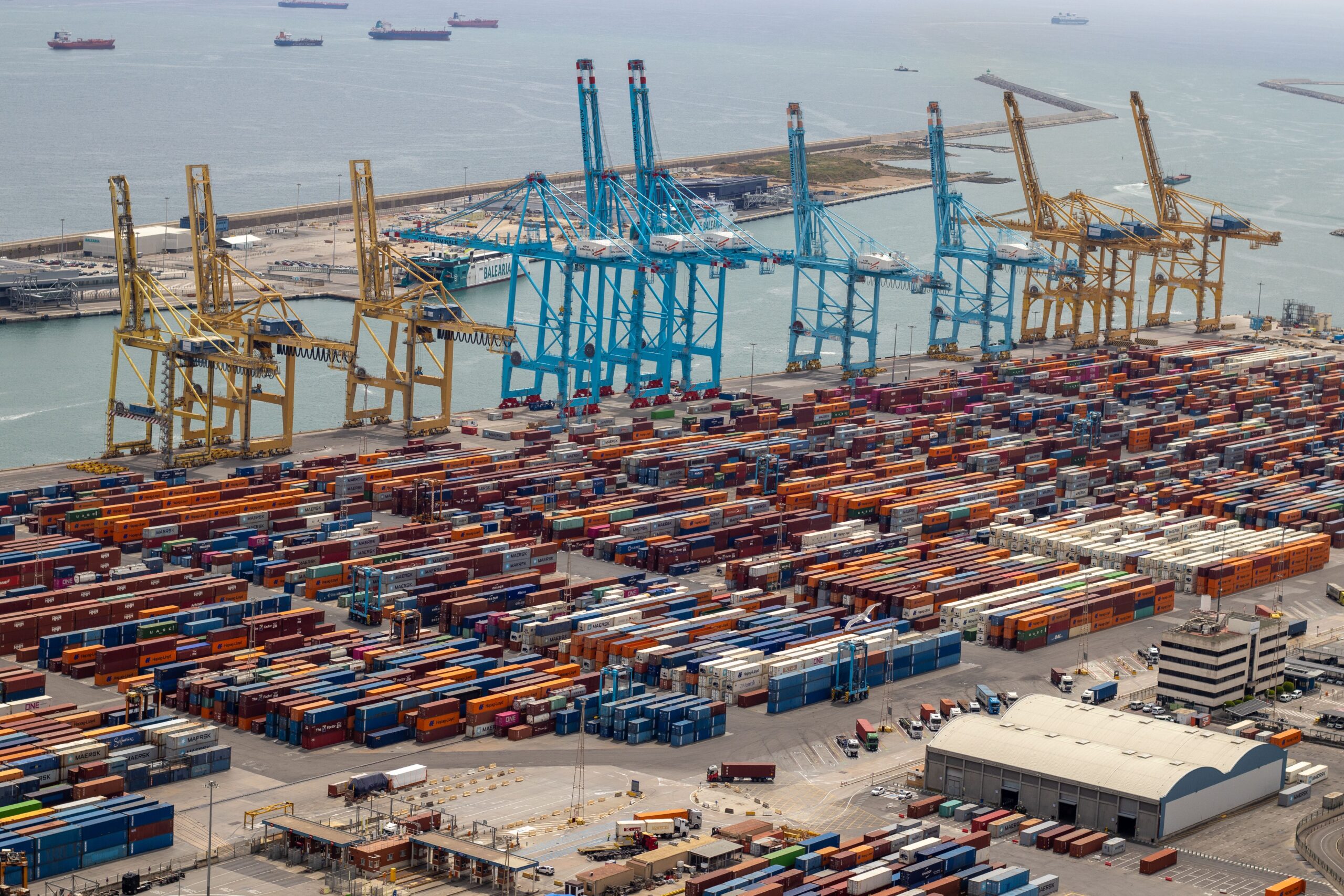
The Pulau Indah location gives the proposed complex access to an established maritime and industrial logistics district. Port Klang handled approximately 15.14 million TEU during 2025, providing substantial container shipping infrastructure around which warehousing, inland transport, and freight services operate.
Individual warehouses in the area can support import storage, export consolidation, regional distribution, or industrial inventory management, according to their occupiers and equipment. The Tanco–CNECC project has not yet identified its intended balance of these activities, and the available specifications do not establish automated storage capacity, loading bay numbers, or annual cargo throughput.
The construction award moves Tanco into a larger specialist industrial warehousing project through a partnership that separates local coordination from the principal technical execution. Contractual milestones are now established for earthworks, building construction, and the electrical substation, with the commencement of physical work dependent on obtaining the required approvals.
Completion remains targeted for November 2028, subject to the construction programme and site conditions. The next formal milestones are the authorisations required to begin earthworks, followed by site preparation and the progressive construction and commissioning of the warehouse complex and its supporting utilities.