IN Brief:
- Flood related staffing shortages created a cargo backlog at Bangkok Suvarnabhumi Airport while Thai Airways restricted freight acceptance.
- Electronic components are particularly exposed because urgent shipments to the United States, South Korea, and Taiwan depend heavily on air freight.
- Additional staff and temporary cargo space are supporting clearance, although recovery also depends on sufficient aircraft capacity to absorb the backlog.
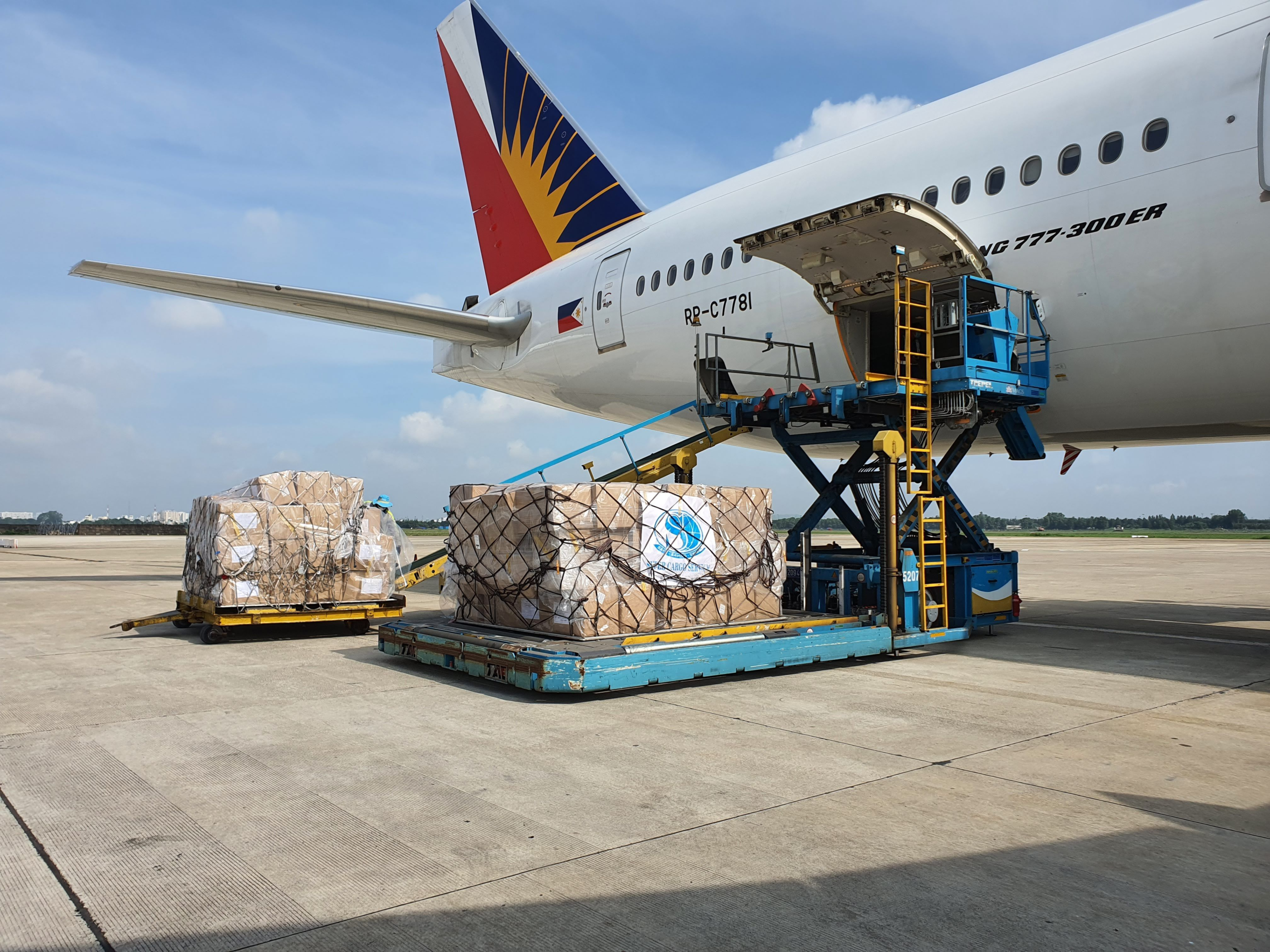
Thai Airways is working through a cargo backlog at Bangkok Suvarnabhumi Airport after flooding prevented employees from reaching work, restricting warehouse operations as exporters were already contending with limited air freight capacity across several Asian technology markets. The airline initially planned to suspend cargo acceptance from 1 to 6 October, but intervention from Thailand’s Transport Ministry kept import and export handling open while additional staff and temporary storage were brought into the operation.
Those measures preserved a route through the warehouse, although they could not replace the aircraft capacity removed by wider disruption. Thai Airways cancelled 37 flights between 29 September and 1 October, reducing bellyhold space at the point when freight was accumulating on the ground, so the pace of recovery depends on both terminal productivity and the number of usable departures available to carry delayed consignments. Cargo can be processed, inspected, and prepared for loading, but a backlog will remain if outbound capacity does not increase quickly enough to absorb it alongside newly arriving freight.
Electronic components sit among the more exposed exports because the value of the shipment is often less important than the production schedule waiting at the destination. The Thai National Shippers’ Council identified the United States, South Korea, and Taiwan among the markets affected, where delayed parts can disrupt manufacturing even when the physical volume held at Bangkok is comparatively modest. Sea freight offers little immediate relief for components selected for air because of short lead times, production urgency, or contractual delivery requirements, leaving alternative flights and regional gateways as the more realistic contingency routes.
Pressure at Suvarnabhumi also extends beyond simple warehouse space, since export freight has to move through acceptance, documentation, security, inspection, storage, build-up, and aircraft loading before departure. Electronics volumes were already contributing to inspection demand before the flooding, while staffing shortages slowed another part of the same process, creating the familiar logistics problem in which removing one bottleneck merely exposes the next. Temporary storage can prevent cargo from overwhelming the terminal, yet it does little to accelerate a consignment that is still waiting for inspection, a flight allocation, or a replacement booking.
Asian air freight capacity was already tightening around technology exports, with semiconductors, AI servers, high performance computing equipment, and associated components absorbing space from several origins. Bangkok’s disruption therefore falls into a market with less spare capacity than a routine operational interruption might normally encounter, making rapid diversion harder when neighbouring gateways and competing services are carrying their own peak-season traffic. A contingency plan based simply on switching airlines can prove thin if the alternative carrier uses the same airport access, inspection channels, ground handling resources, or constrained onward connections.
Manufacturing supply chains built around short inventory cycles are particularly sensitive to that concentration of risk, since a relatively brief delay at origin can reach a production line before there is time to rebuild stock elsewhere. Freight planners can prioritise consignments according to the cost of delay, reserving scarce uplift for components capable of stopping production while allowing less urgent goods to remain in the queue, but such triage only works when shipment data identifies the operational consequence rather than treating every urgent booking alike. The episode gives procurement, production planning, and logistics teams a common reason to examine where their supposedly alternative routes still depend on the same physical infrastructure.
Perishable exports add another layer of pressure because additional dwell time can destroy value rather than merely defer delivery. Fresh food, seafood, fruit, flowers, chilled products, and frozen meat all use air freight from Thailand, while the Commerce Ministry has put the mode at roughly 26% to 27% of national export value; separate January to July figures placed air exports at 2.42 trillion baht. The economic exposure is therefore concentrated in cargo that tends to be high value, time sensitive, or both, which is why a staffing interruption at one airport can carry consequences well beyond aviation operations.
Thailand has more than 150 air cargo operators, but their nominal capacity cannot be treated as a common pool available on demand. Individual handlers, airlines, warehouses, security processes, and flight schedules operate with their own constraints, while passenger cancellations remove freight space even when another part of the terminal remains open. Redirecting cargo can therefore involve fresh bookings, changed handling instructions, new documentation, trucking between facilities, or entirely different flight connections, each of which consumes part of the time that diversion is supposed to save.
Customs and associated agencies have remained operational while additional staffing and temporary storage are used to reduce the accumulation at Suvarnabhumi, giving the airport a route back towards normal throughput if flight capacity also recovers. The more consequential measure will appear downstream: missed production slots, emergency rerouting, contractual penalties, or changes to inventory policy would indicate that several days of disruption at Bangkok have exposed dependencies that exporters and customers decide are no longer acceptable.