IN Brief:
- Tropical Shipping has ordered one hybrid straddle carrier and one reachstacker for its Riviera Beach terminal in Florida.
- The hybrid machine includes MyKalmar INSIGHT and will be the operator's first straddle carrier using hybrid propulsion.
- Following delivery, Tropical Shipping's Kalmar fleet will comprise 29 straddle carriers and 25 reachstackers.
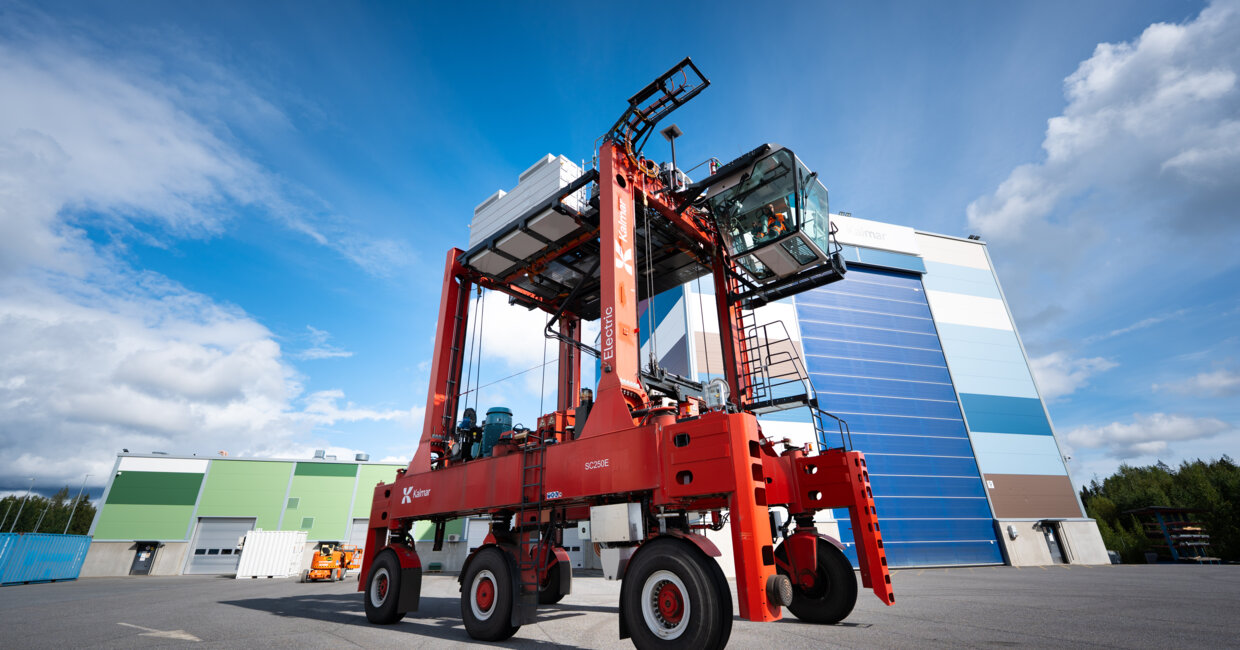
Tropical Shipping has ordered its first hybrid straddle carrier from Kalmar, together with a reachstacker, for its container terminal at Riviera Beach in Florida. Both machines are scheduled for delivery during the third quarter of 2027, expanding the terminal operator’s handling fleet and introducing hybrid propulsion into its straddle carrier operations.
The order was booked in Kalmar’s third-quarter 2026 intake and covers one Hybrid Straddle Carrier equipped with MyKalmar INSIGHT and one reachstacker. Following delivery, Tropical Shipping’s Kalmar fleet will comprise 29 straddle carriers and 25 reachstackers. The company has not disclosed the purchase price or specified whether either machine will replace an existing unit.
Tropical Shipping operates maritime cargo services connecting Florida with destinations across the Caribbean, where containers and other freight must pass between vessels, terminal storage areas and onward transport. Reliable equipment availability supports those transfers, particularly when handling work needs to be coordinated with scheduled vessel arrivals and departures.
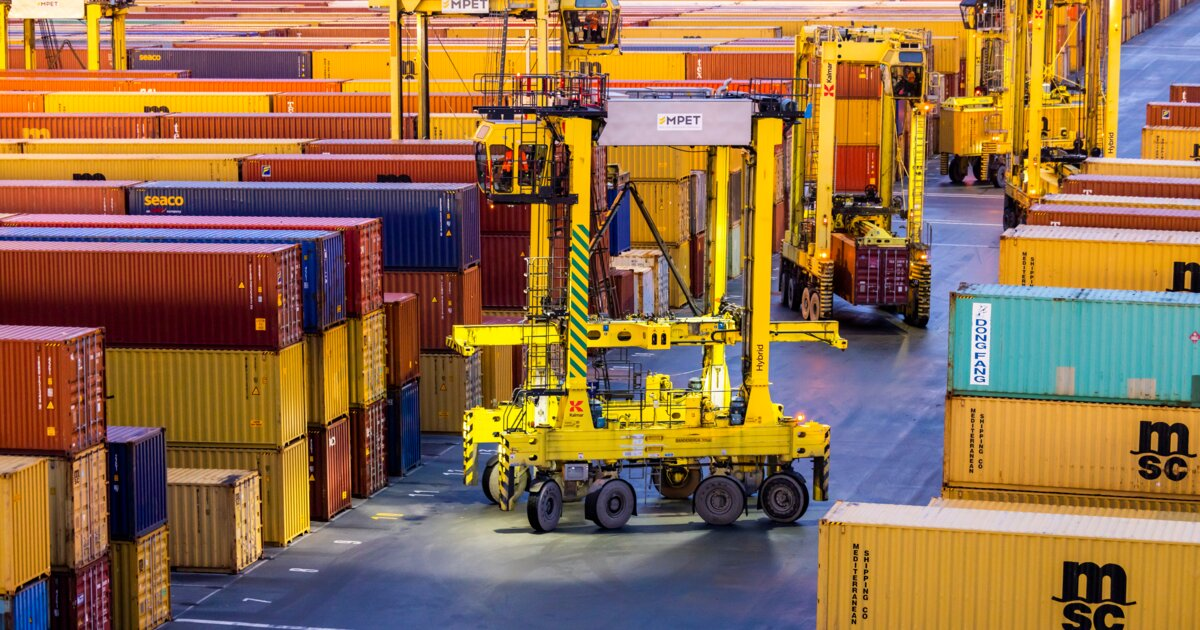
Straddle carriers move containers around a terminal by lifting them within a tall supporting frame. The machines can collect a container, travel through suitable yard lanes and position the load for storage or further handling. Their ability to move independently provides flexibility when cargo needs to be transferred between different operating areas without relying on fixed lifting equipment for every movement.
Reachstackers perform complementary tasks using an extendable boom and lifting spreader. The boom allows containers to be picked up or placed at different horizontal distances from the machine, subject to its lifting capacity and operating limits. This makes reachstackers useful for handling arrangements where containers must be accessed within a stack or positioned beyond the machine’s immediate travelling path.
The two equipment types are consequently suited to different combinations of movement, lifting and storage work. A straddle carrier can transport containers through designated yard routes, while a reachstacker can provide additional flexibility when accessing or rearranging stacked cargo. Tropical Shipping’s purchase extends both categories of equipment rather than adding two machines designed to perform exactly the same tasks.
Its first hybrid straddle carrier will combine a combustion engine with electrical energy storage. Kalmar’s hybrid system recovers energy during braking and load lowering, storing it for subsequent use when the machine requires power for traction or lifting. Recovering part of that energy reduces the amount that must be supplied directly by the engine during the operating cycle.
Container handling produces repeated changes in power demand. A machine accelerates between operating positions, slows as it approaches a container and uses lifting equipment to raise or lower the load. Some of the energy involved in these movements can be recovered through a regenerative system, although the amount available depends on the characteristics of the work being performed.
A carrier undertaking frequent braking and lifting cycles may consequently provide different opportunities for energy recovery from one travelling longer distances with fewer changes in load height. The useful saving depends on the relationship between the recovered energy, the engine’s operating requirements and the machine’s overall duty cycle. Hybrid equipment therefore needs to be assessed under the conditions in which it will actually operate.
Kalmar states that its hybrid straddle carrier technology can reduce fuel use and associated emissions by up to 40% compared with conventional diesel-powered equipment under suitable conditions. This is a manufacturer performance claim for the product range, not a measured saving already achieved at Tropical Shipping. The new machine has not yet been delivered, and its actual operating performance will depend on its workload and maintenance arrangements.
The company selected hybrid equipment partly to manage fuel and maintenance costs over the machine’s working life. A reduction in engine fuel consumption can influence operating expenditure, while the complete cost of ownership also includes servicing, component replacement and periods when machinery is unavailable. Hybrid systems introduce electrical components and batteries alongside the engine, giving them different maintenance requirements from conventional diesel-powered equipment.
Those costs must be assessed against how intensively the carrier is used and the work it performs. A machine assigned to regular container movements can accumulate operating hours differently from one used only when particular vessels are in port. The balance between equipment availability, fuel consumption and maintenance expenditure will influence the commercial result of introducing hybrid technology into an established fleet.
MyKalmar INSIGHT will provide operational information from the new carrier through the manufacturer’s connected equipment management platform. The system is designed to collect machine data and support analysis of utilisation and operating performance, giving maintenance and operations teams additional information about how the equipment is being used.
Usage records can help identify extended idle periods, differences in operating patterns and changes that may warrant investigation. These observations can inform maintenance planning or adjustments to equipment allocation, although the value of the system depends on the accuracy of the data and the actions taken by the terminal’s personnel. Connection to MyKalmar INSIGHT does not mean the straddle carrier will operate autonomously.
The purchase also continues Tropical Shipping’s established relationship with Kalmar. The operator has previously acquired conventional diesel-electric straddle carriers and reachstackers for its network, with equipment serving terminals handling cargo connected to Caribbean and Bahamas routes. Introducing a hybrid machine provides an opportunity to compare a different drivetrain with equipment already familiar to its operations and maintenance teams.
Douglas Cowper, Vice President of Operations at Tropical Shipping, has identified fuel expenditure, maintenance costs and reliable terminal service as considerations behind the investment. Obtaining both machine types from the same supplier also allows the company to continue its existing equipment relationship while expanding the range of technology available within the fleet.
The scale of the order remains limited to one hybrid carrier and one reachstacker, but the first hybrid installation will provide operating experience under Riviera Beach’s particular handling requirements. Container weights, travel distances, working hours and the frequency of lifting cycles will determine how the hybrid machine performs alongside the existing fleet.
Both machines are due during the third quarter of 2027. After their introduction, Tropical Shipping will be able to evaluate fuel consumption, equipment utilisation and maintenance requirements using data gathered during normal terminal operations. The company has not identified a subsequent hybrid fleet expansion or established a timetable for replacing additional conventional machines.