IN Brief:
- Pall-Ex Group is opening two new logistics hubs in Launceston and Willand.
- The Launceston facility provides 114,000 sq ft and up to 3,500 pallet storage positions.
- The Willand site will add 218,000 sq ft near the M5 and North Devon link road.
Pall-Ex Group is expanding its South West logistics network with two new hubs designed to increase storage, throughput, and regional distribution capability across Devon, Cornwall, and the wider peninsula.
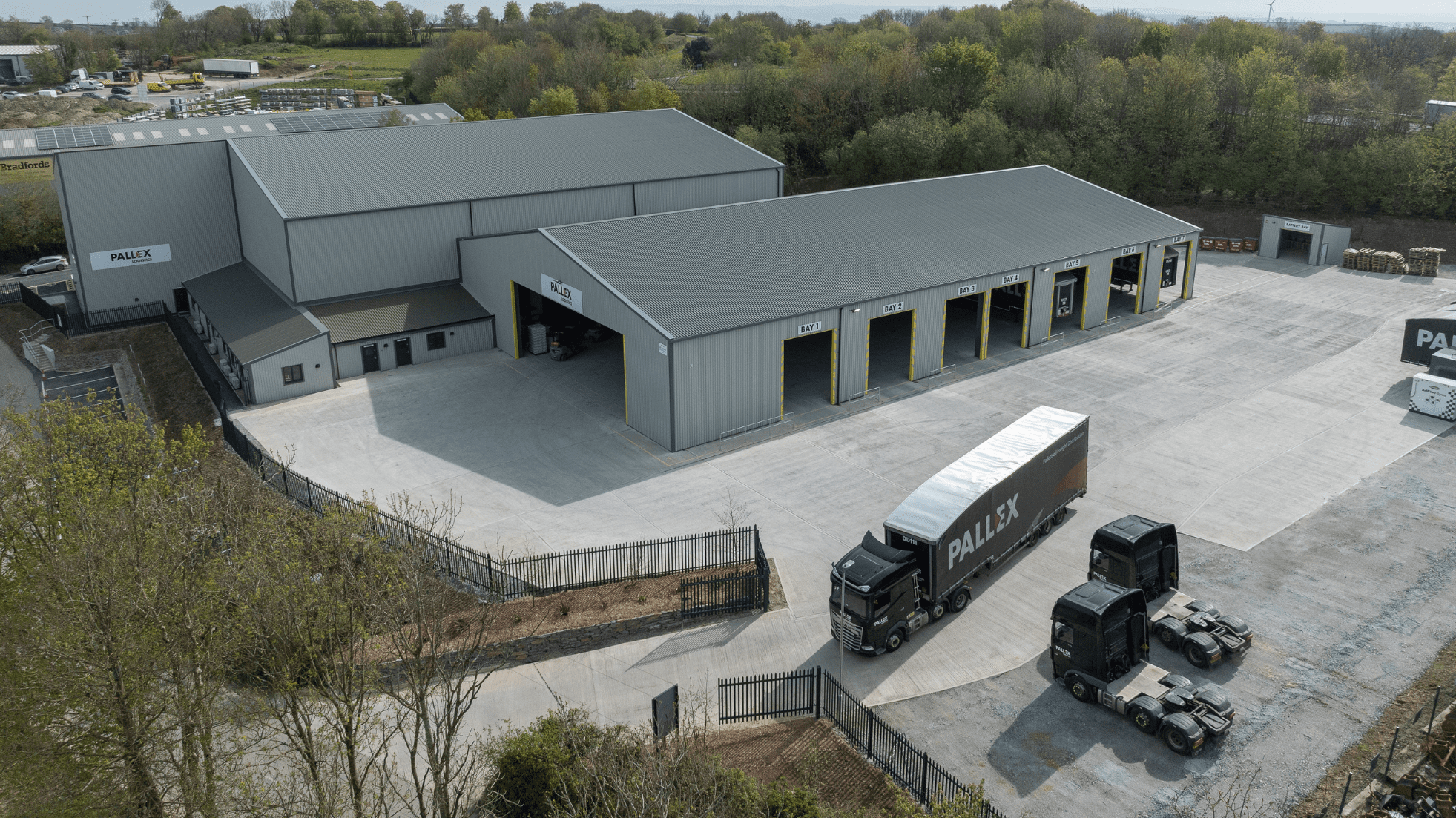
Pall-Ex Logistics Devon & Cornwall is beginning operations from a 114,000 sq ft purpose-built facility in Launceston, Cornwall. The site increases storage capacity to up to 3,500 pallets and is expected to support throughput of around 650 pallets per day.
A second site for Pall-Ex South West is expected to be completed by summer at Willand, two miles from the M5 and close to the North Devon link road. The 218,000 sq ft facility will double operational limits compared with the current site and is expected to process more than 20 trunks per night.
The investment follows capacity pressure at existing operations in the region. The South West peninsula remains one of the UK’s more difficult distribution areas, with long route distances, varied geography, seasonal demand patterns, and fewer trunking alternatives than denser logistics corridors.
The new facilities will support freight forwarding, storage, and pick-and-pack operations, giving the network more flexibility beyond pallet movement. Sustainability features are being introduced across both sites, including all-electric forklift fleets, solar panels, and green water filtering.
Regional logistics infrastructure is becoming more important as customers look for shorter lead times and stronger service away from the UK’s dominant Midlands and South East distribution clusters. The South West presents a distinct operating challenge because demand is spread across coastal, rural, and urban locations, often with fewer high-volume backhaul opportunities.
Pallet network capacity determines how well operators can manage trunking efficiency and local delivery reliability. Sites operating close to their limits can create pressure across loading schedules, trailer turnaround, storage overflow, and peak absorption. Additional physical capacity in Cornwall and Devon gives Pall-Ex more control over regional freight flow.
The Launceston and Willand investments also show how pallet networks are broadening their service mix. Customers increasingly expect storage, fulfilment, and value-added handling from regional logistics partners, not only collection and delivery. That pushes operators to combine warehouse space, systems capability, labour planning, and transport execution inside the same network.
The Willand location strengthens access to the M5 and the North Devon link road, supporting trunking and onward regional distribution. Increased nightly trunk capacity should help consolidation, network balance, and scheduled movement across a geography where road distance and route choice have a direct effect on service performance.
The sustainability elements add site-level resilience as energy costs and customer emissions requirements continue to influence procurement. Electric forklift fleets and solar generation will not decarbonise a pallet network alone, but they reduce the emissions and energy exposure attached to warehouse operations.
The expansion gives Pall-Ex more operational headroom in a region where logistics density is lower but service expectations are rising. Manufacturers, retailers, and e-commerce operators are continuing to reassess regional fulfilment and inventory positioning, and capacity in harder-to-serve geographies is becoming a more valuable part of national network design.