IN Brief:
- CONCOR has begun logistics operations for JSW Utkal’s upcoming steel manufacturing facility.
- The first import project cargo shipment moved through CONCOR’s Paradip Container Freight Station.
- Project-linked volumes could reach nearly 1,000 forty-foot containers over the next two years.
Container Corporation of India has begun logistics operations for JSW Utkal’s upcoming steel manufacturing facility, handling the first import project cargo shipment linked to the development.
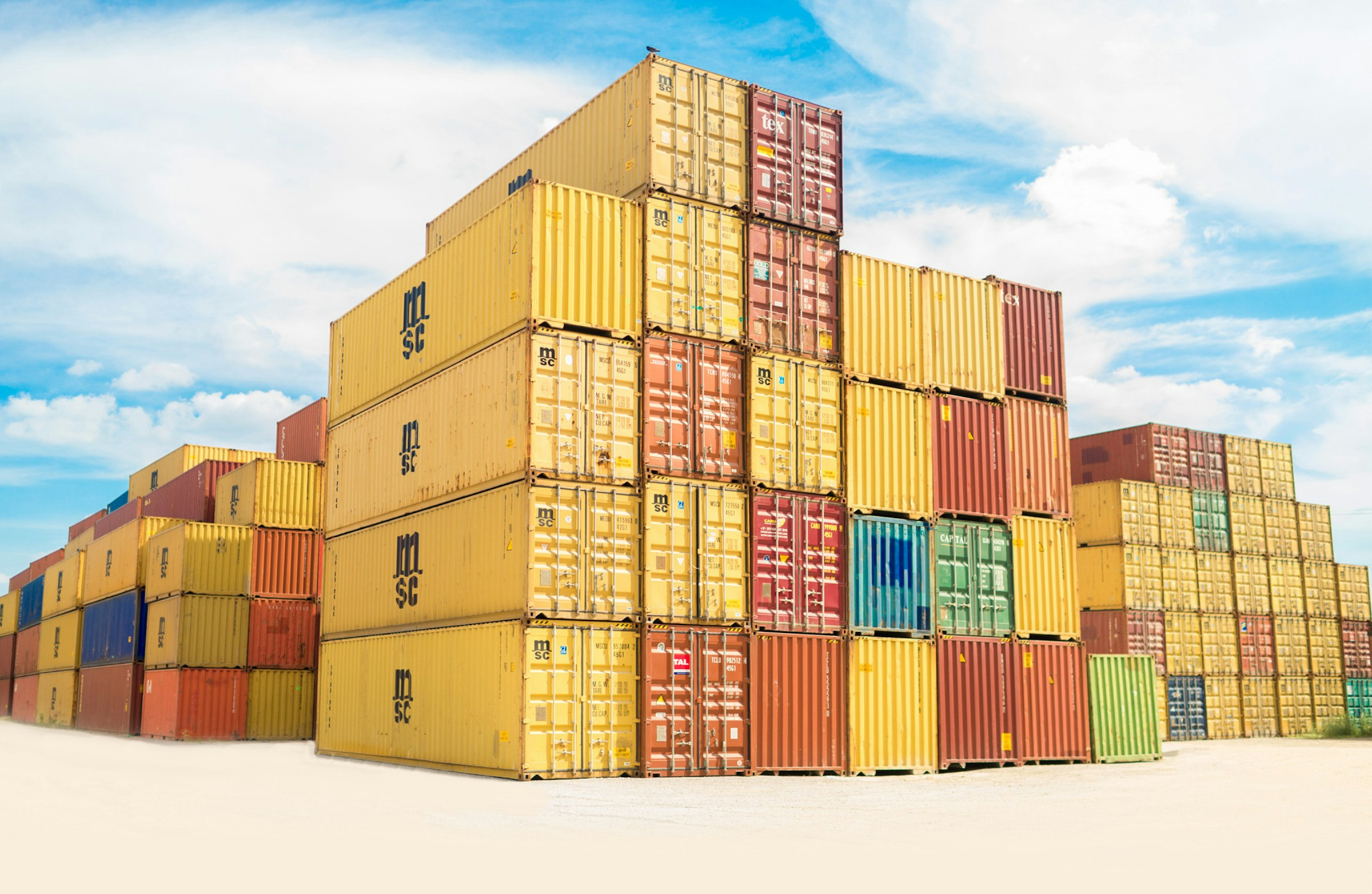
The initial consignment moved through CONCOR’s Container Freight Station at Paradip and consisted of 25 forty-foot containers carrying project cargo for the steel plant. The work was delivered under an integrated logistics service model covering transportation, customs clearance, cargo handling, storage, first-mile and last-mile movement, warehousing support, and coordination with port authorities, shipping lines, and customs officials.
The shipment marks the start of longer-term logistics support for the industrial project. Cargo volumes associated with the JSW Utkal development could reach nearly 1,000 forty-foot containers over the next two years as construction activity and equipment imports accelerate.
For CONCOR, the engagement goes beyond a single project cargo movement. It places the company within the development phase of a major steel manufacturing asset, where logistics control can shape the pace of site activity, the sequencing of equipment arrivals, and the avoidance of costly delay.
Paradip’s role is central to the project. Eastern India’s industrial development is increasingly tied to port capacity, inland rail links, container freight stations, and the ability to move heavy or high-value cargo without unnecessary dwell time. Steel projects are especially demanding because they combine heavy machinery, staged equipment deliveries, imported components, and tightly sequenced construction programmes.
Indian transport reliability has become a recurring constraint for industrial freight, with fuel availability, driver shortages, fleet pressures, and regulatory bottlenecks affecting road freight planning in several regions. Against that backdrop, large capital projects cannot afford fragmented cargo handovers or uncertain vehicle placement. The logistics provider becomes part of the construction programme, rather than a contractor called at the end of procurement.
Integrated models are gaining ground because project owners want fewer interfaces and more accountability. A container freight station, transport provider, customs broker, warehouse operator, and site delivery team may each perform well in isolation, but the risk usually sits between them. When cargo misses its sequence, the result can be demurrage, idle labour, congested laydown areas, and project teams forced into expensive recovery work.
CONCOR’s strength has traditionally sat around multimodal logistics and container handling, but project cargo requires a broader operating discipline. Each movement must align port availability, customs status, lifting equipment, inland transport capacity, temporary storage, security, documentation, and site readiness. Where imports are tied to plant construction, logistics becomes a live element of the engineering schedule.
The JSW Utkal project also reflects India’s wider push to expand domestic manufacturing capacity. Steel remains central to construction, energy, transport, and industrial development, but its upstream and project supply chains depend on a mix of bulk flows, containerised cargo, specialised machinery, and reliable port connectivity.
Paradip’s position as a gateway for Odisha and eastern India is likely to strengthen as industrial investment expands across the region. The more these projects depend on imported equipment and containerised components, the more valuable port-side logistics, customs control, storage, and coordinated onward movement become.
The first shipment is modest in container count, but the operational direction is clear. Industrial logistics in India is moving from transactional cargo handling towards managed project flows, where transport, warehousing, customs, and coordination are bundled into a single execution layer. For steel, energy, automotive, and process industry projects, that model is quickly becoming a condition of delivery.