IN Brief:
- Denner has gone live with EPG’s LFS WMS and LYDIA Voice at a fresh food distribution centre in Mägenwil.
- The temperature-controlled facility supplies around 250 stores and stores more than 700 products at 2°C to 5°C.
- The implementation supports FIFO, cold-chain control, multilingual picking, and reduced transport distances.
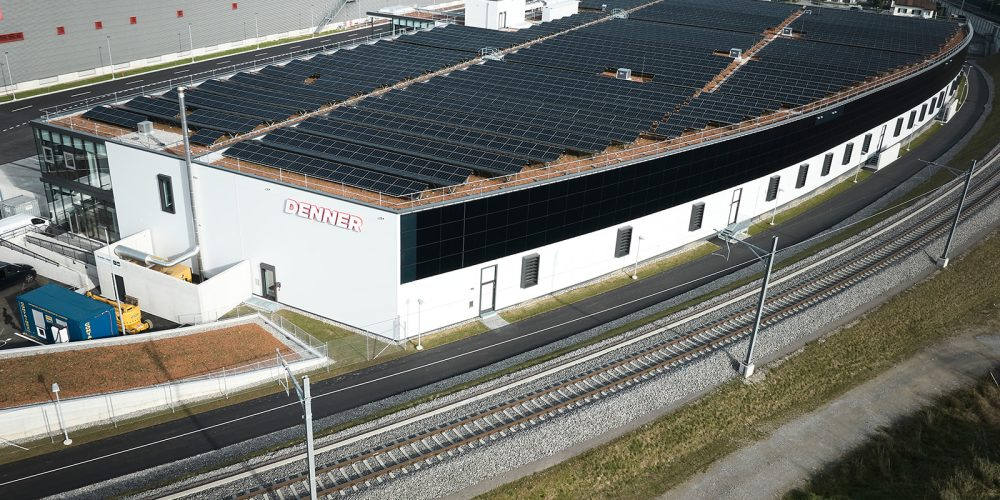
Denner has gone live with the LFS warehouse management system and LYDIA Voice from EPG at its new fresh food distribution centre in Mägenwil, Switzerland.
The temperature-controlled facility supplies around 250 stores with fresh products. More than 700 items are stored across approximately 10,000m² of warehouse space at temperatures between 2°C and 5°C, with refrigeration, hygiene, and stock rotation requirements built into the operating model.
The Mägenwil facility is the sixth Denner site running EPG technology. Processes already established at sites in Schmitten, Frauenfeld, Lyss, Dietlikon, and an adjacent warehouse in Mägenwil were transferred into the new operation, with Denner carrying out much of the implementation independently after several years of system use.
LFS manages warehouse processes from goods receipt and picking through to shipping, while supporting strict FIFO principles. LYDIA Voice is used for voice-directed picking on Zebra TC22 mobile devices with Bluetooth headsets, with employees working in German, French, and English.
The voice system does not require voice training, allowing employees to begin working productively regardless of language, dialect, or accent. That flexibility supports onboarding, peak cover, absence management, and seasonal labour movement within a chilled environment.
The go-live was completed in less than two weeks. Denner is also constructing another distribution centre in Aclens for ambient products, scheduled to enter operation in 2027.
Fresh food distribution leaves little tolerance for weak execution. Time, temperature, stock rotation, store availability, and hygiene all interact, and a delay in one area can create waste, service failures, or reduced shelf life. The warehouse management layer therefore becomes part of product control rather than a simple record of stock movement.
Voice picking remains highly relevant in chilled operations because workers need hands-free, eyes-free processes while handling products quickly and accurately. Screens and paper can slow work in refrigerated areas, especially where gloves, condensation, and product handling make conventional task prompts less efficient.
Regional fresh food logistics is also being shaped by transport distance and service rhythm. Denner’s Mägenwil operation supports shorter distribution routes for part of its store network, linking warehouse execution to lower vehicle mileage and more responsive replenishment. The technology supports that structure by giving the company standardised processes across several sites while retaining local operational flexibility.
Temperature-sensitive logistics investment is also expanding beyond grocery. In Belgium, Brussels Airport is adding specialist cargo estate capacity for pharma and general freight, reflecting wider demand for facilities where systems, compliance, and controlled environments are designed together. Denner’s project applies the same principle inside food retail: product condition depends on the quality of the execution environment.
Food retailers are using WMS and voice technology to support waste control, labour flexibility, and availability. Poor picking accuracy can damage service, but poor rotation can be just as costly in chilled categories. FIFO enforcement, multilingual task management, and faster employee onboarding all contribute to a more stable fresh chain.
The Mägenwil rollout shows a mature technology strategy rather than a one-off installation. Denner is standardising processes across its distribution estate while adapting each site to the needs of its product category and regional role. In chilled grocery logistics, that combination of repeatable systems and local execution is becoming essential to controlling cost, waste, and shelf availability.