IN Brief:
- Danube flows entering Romania have fallen to their lowest seasonal level since 1996.
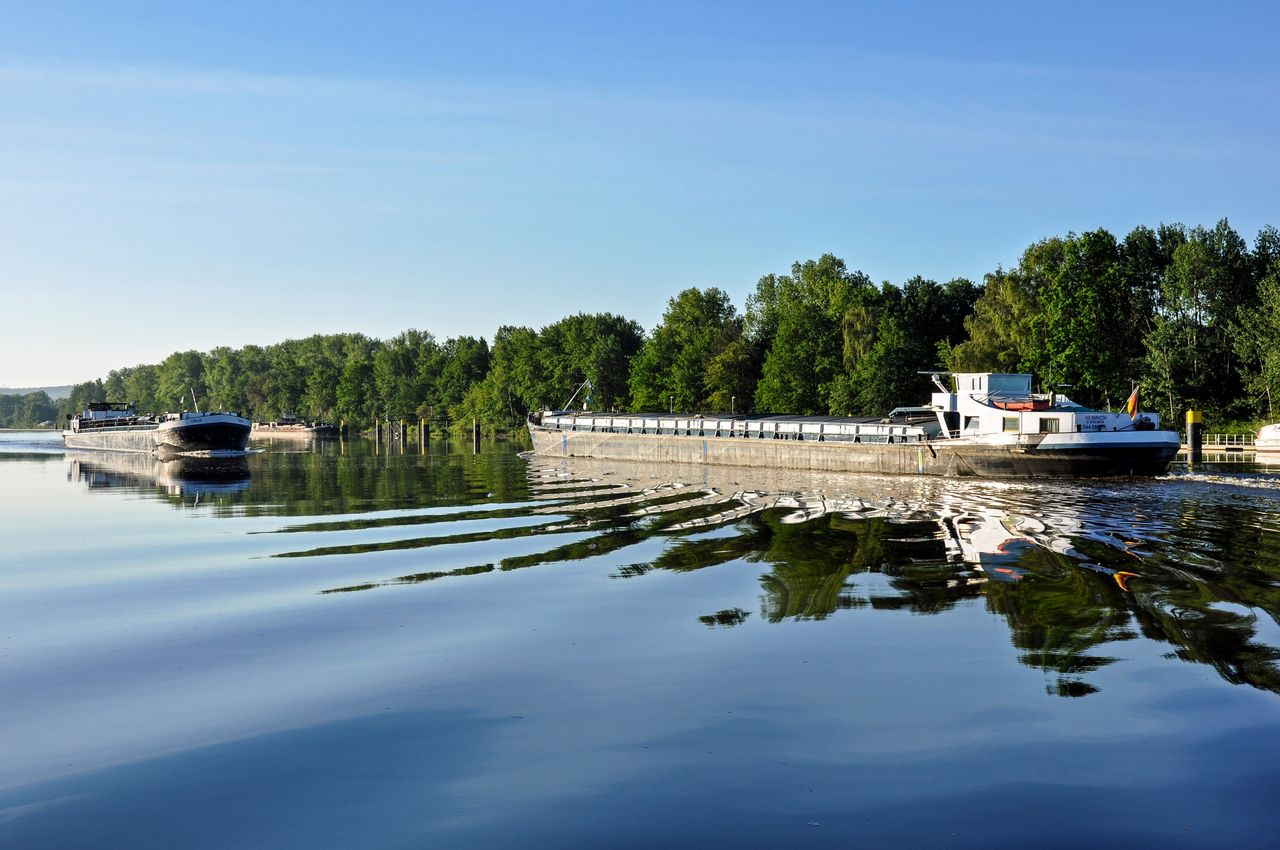
- Grain barges are standing idle or carrying reduced loads, while several ferry services have stopped.
- Harvest arrivals risk overwhelming storage and substitute transport before river capacity recovers.
Danube flows entering Romania have fallen to their lowest level for the period since 1996, restricting grain barges during the harvest season and increasing pressure on storage, road, rail, and Black Sea export capacity.
River discharge at the Romanian entry point dropped to approximately 1,700 cubic metres per second, compared with a normal July range near 4,700 cubic metres. Exposed banks, idle grain barges, and suspended ferry services have become visible across sections of the lower river.
Romanian Waters expects levels to improve gradually following rainfall, but the interruption has already reduced the amount of cargo individual vessels can carry. Barges operating with shallower draughts consume broadly similar crew, fuel, towage, and handling resources while moving fewer tonnes.
More voyages are consequently required to transport the same harvest volume, tying up vessels and raising the delivered cost of grain. Where navigation becomes unreliable, traders may redirect cargo towards road and rail, both of which are already handling agricultural, industrial, domestic, and Ukraine-linked movements.
Romania is among the European Union’s largest grain exporters, with the Danube connecting inland growing regions and neighbouring markets to terminals serving the Black Sea. Cargo arriving by river can be accumulated at Constanța and other facilities before loading onto larger seagoing vessels.
Reduced river arrivals disrupt that assembly process because export ships often load grain drawn from several origins and transport modes. A delayed barge can leave a terminal short of the final contracted volume, while the vessel continues incurring berth or waiting costs.
Pressure first appears further inland, where farms and elevators must receive newly harvested crops even when outbound transport has slowed. Storage that would normally turn over several times during the season may remain occupied, leaving less room for later arrivals.
Temporary storage offers limited protection when temperature, moisture, ventilation, and pest control cannot be maintained to the same standard as permanent silos. Grain quality can deteriorate while traders wait for transport, potentially changing its grade, destination, or contractual value.
Millers, feed producers, oilseed crushers, brewers, starch processors, and livestock businesses are exposed alongside exporters because domestic and international cargo competes for the same wagons, trucks, and storage capacity. A disruption concentrated on the river can therefore alter procurement costs throughout the food and agricultural manufacturing chain.
Climate volatility becomes a freight constraint
Inland shipping normally carries bulk commodities efficiently, but its economics depend on vessels loading close to their intended capacity. Low water turns the river into a narrower freight corridor without removing the underlying demand.
Freight contracts need clear provisions for minimum water levels, reduced loading, delays, and additional handling, otherwise disputes emerge over whether the shipper, operator, or buyer carries the extra cost. Surcharges can protect vessel operators while leaving exporters with less competitive delivered prices.
Modal substitution is constrained by infrastructure at the loading point. A river elevator may not have enough rail sidings, wagons, loading equipment, or road access to replace the daily tonnage normally carried by barge.
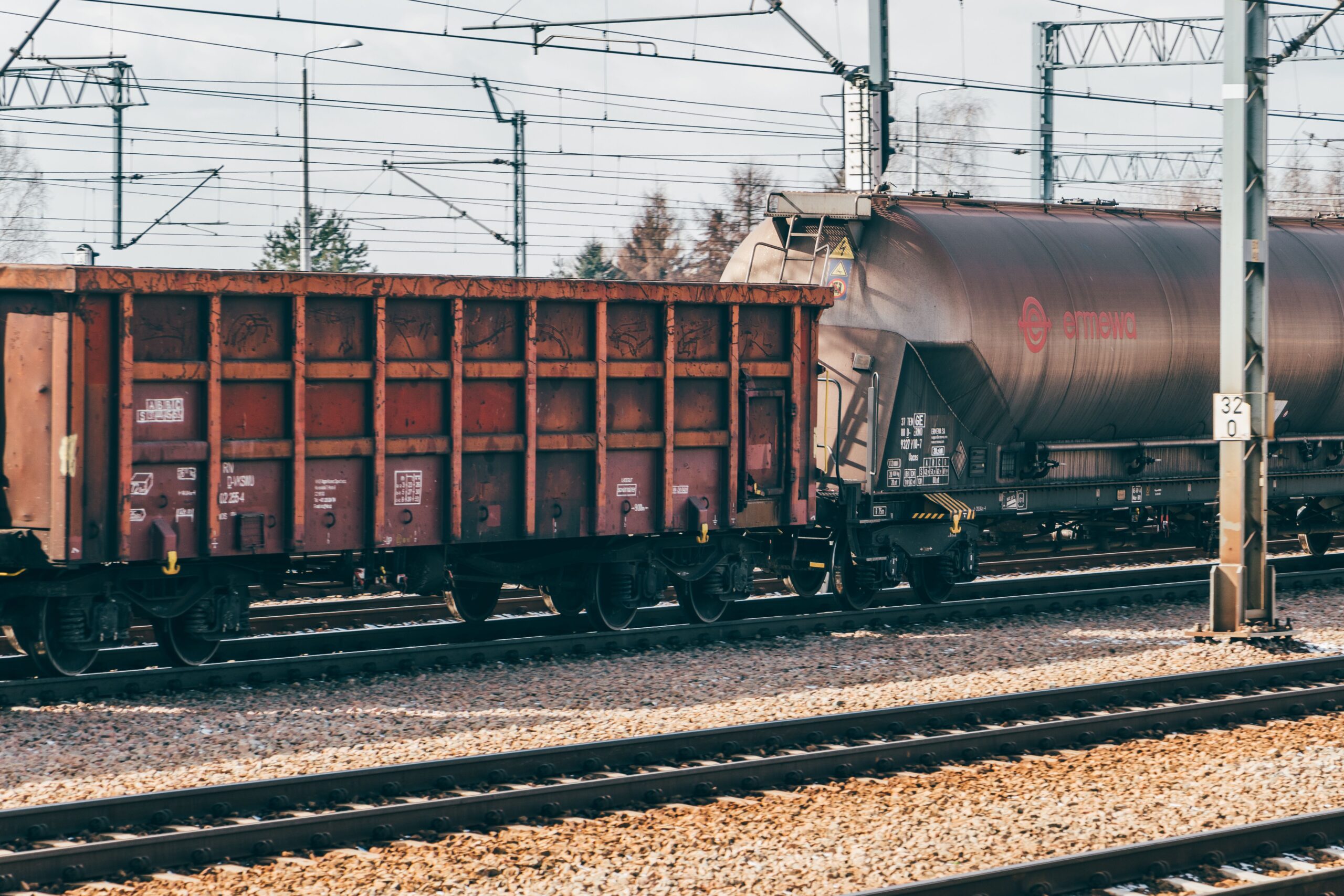
Rail can move bulk volume more efficiently than road, although available paths and wagons are shared with energy, chemical, steel, container, and passenger traffic. Harvest demand arrives in a concentrated period, leaving little time to reposition equipment from elsewhere in Europe.
Road haulage provides greater flexibility, but one large barge convoy can represent hundreds of truck movements. Driver availability, fuel cost, border delays, road wear, and community congestion limit how far trucks can substitute for water over an extended drought.
Commodity traders may alter sourcing patterns if restrictions persist, redirecting grain towards other European ports or holding it within domestic markets. Those changes affect prices and storage availability beyond Romania, particularly where neighbouring countries rely on the same regional corridors.
River forecasting can improve loading and vessel scheduling, yet it cannot replace physical depth. Operators need enough warning to reduce cargo, reposition shallow-draught tonnage, or reserve alternative transport before navigation becomes commercially impractical.
Longer-term responses include dredging, channel maintenance, improved monitoring, redesigned barges, additional rail loading, and expanded port storage. Each option carries cost and environmental constraints, while none removes exposure to unusually severe drought or flood.
Investment decisions are complicated by the irregularity of extreme events. Spare rail terminals or shallow-draught vessels may appear underused during normal seasons, but emergency road transport and missed export contracts can cost considerably more when water levels collapse.
The current restriction coincides with one of the least flexible periods in the agricultural calendar. Harvesting cannot be postponed indefinitely, while vessel nominations, commodity contracts, storage commitments, and customer production schedules continue against fixed dates.
Improving water levels will not immediately restore normal flows because delayed barges, stored grain, and newly harvested crops will compete for the returning capacity. Terminals and carriers must clear the accumulated backlog while continuing to process fresh arrivals.
The Danube’s role in European energy and industrial logistics has already been tested by fluctuating water conditions, and the current grain disruption places the same vulnerability inside the food chain. Resilience will depend on whether river, rail, road, and storage assets can be planned as complementary capacity before the next seasonal low arrives.