IN Brief:
- The second Gwangyang LNG terminal adds two 200,000m³ storage tanks, increasing the combined terminal complex to eight tanks.
- New marine infrastructure includes a berth for LNG carriers of up to 270,000m³ and a separate 20,000m³-class bunkering berth.
- POSCO International reports KRW949.2bn invested over 47 months; total storage capacity now stands at 1.33 million m³.
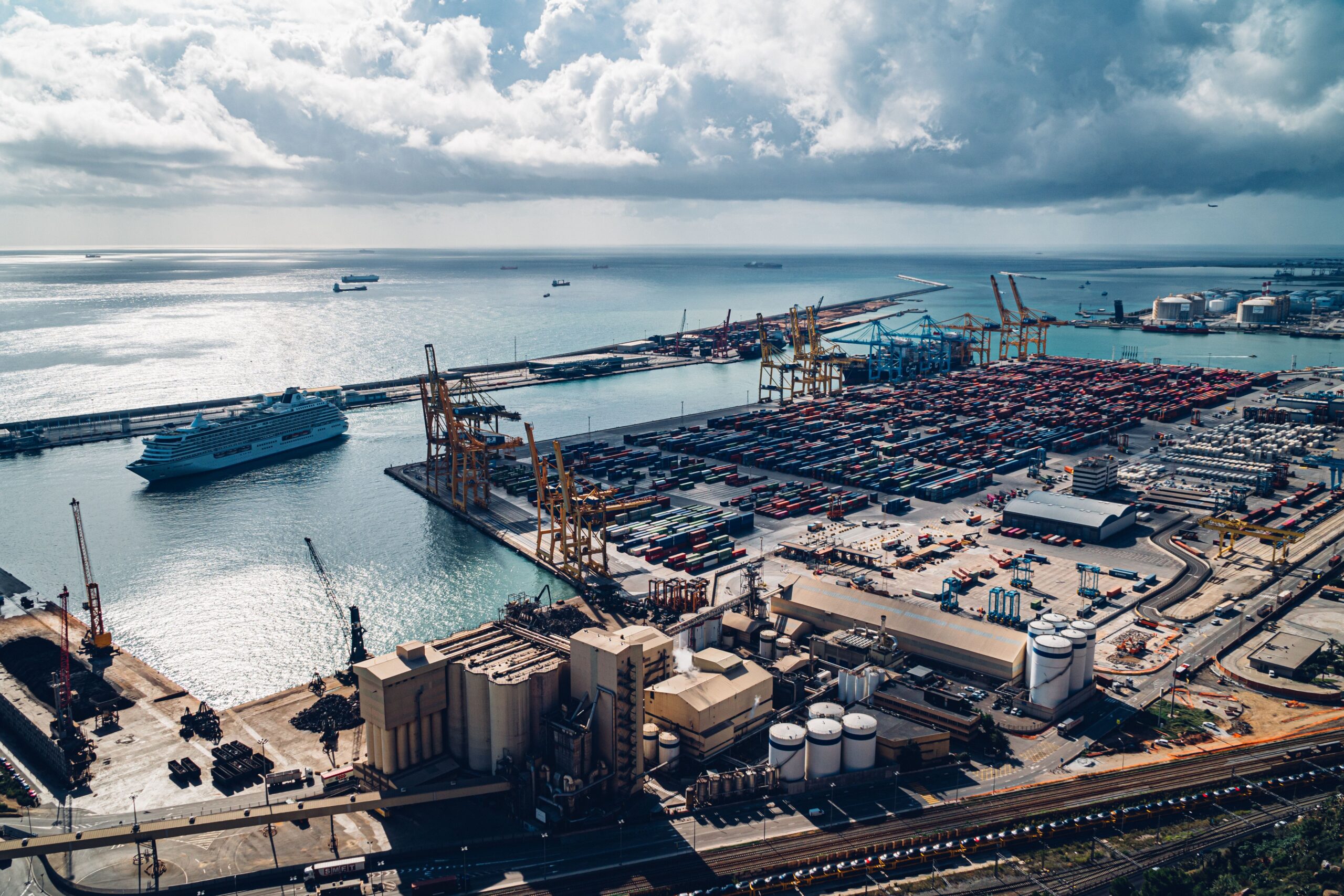
POSCO International has completed the second liquefied natural gas terminal at Gwangyang, South Korea, adding two 200,000m³ storage tanks and new berths for import carriers and marine fuel services. Completion on 10 November increased total LNG storage across the complex from 930,000m³ to 1.33 million m³, expanding the amount of imported gas that can be held before regasification and onward dispatch.
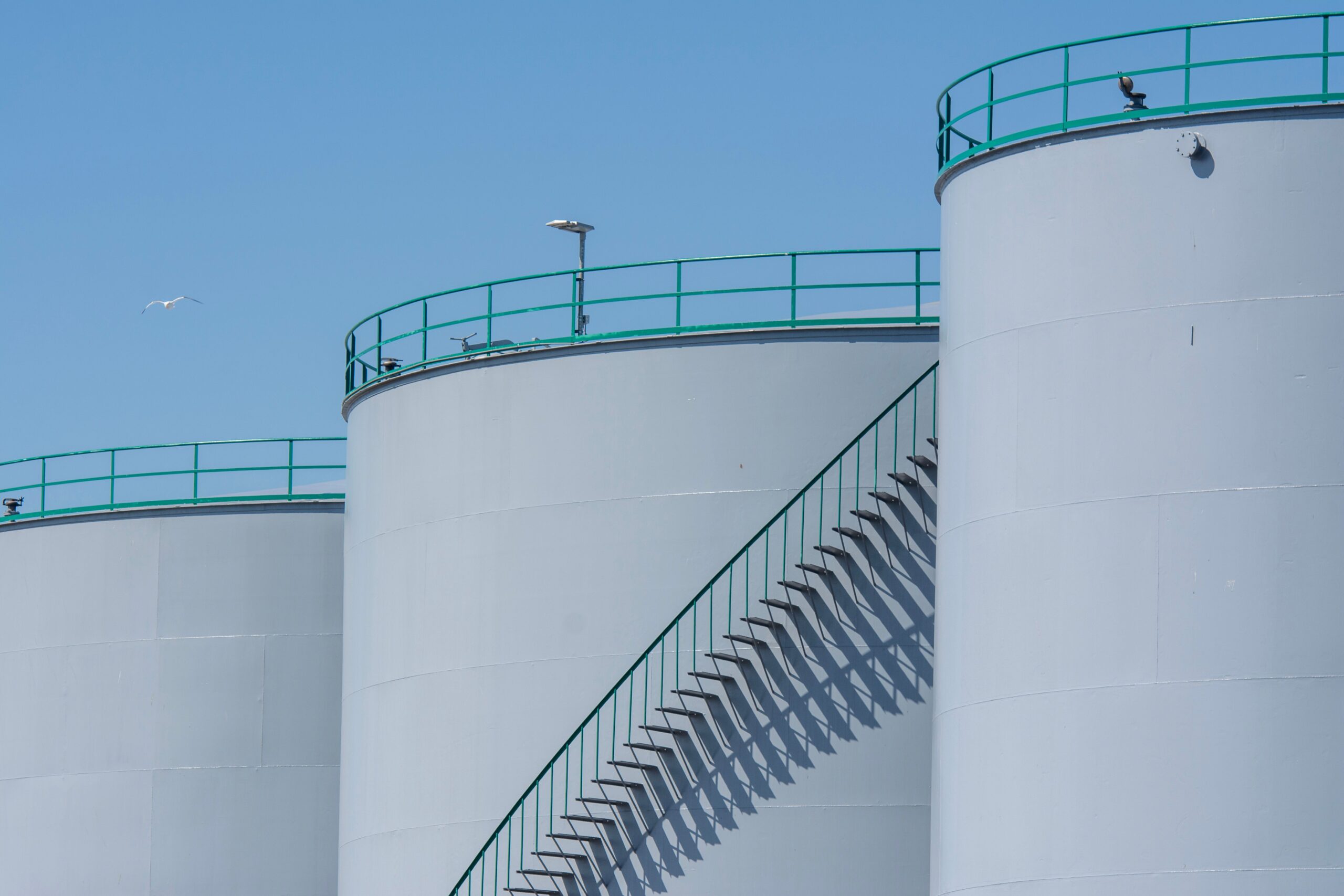
A completion ceremony was held on 10 November after a construction programme lasting 47 months. POSCO International reported investment of KRW949.2bn in the second terminal. The project includes storage tanks numbered seven and eight, each with capacity of 200,000 cubic metres, taking the Gwangyang complex to eight tanks in total. It follows the completion of the first terminal programme in 2024.
The development includes a berth capable of receiving LNG carriers with cargo capacity of up to 270,000m³ and a separate berth for bunkering vessels of the 20,000m³ class. These are vessel-size specifications, not a measure of annual discharge volume. Berth occupancy, unloading rates, tank availability and downstream pipeline demand determine how much gas the expanded complex can handle during routine operations.
Liquefied natural gas reaches import terminals aboard insulated carriers and is transferred through specialised unloading systems into tanks kept at cryogenic temperatures. Liquefaction reduces its volume relative to natural gas, enabling substantial quantities to travel by sea, but it introduces strict handling requirements. Transfer lines, tank insulation, pressure management and leak detection have to work together to keep cargo contained during discharge and storage.
Imported LNG moves from marine unloading arms into insulated shore storage before part of the inventory is regasified and sent into pipeline networks. Coordinating the two sides requires operators to consider ship arrival windows, remaining tank space, planned gas send-out and scheduled maintenance. More storage can buffer interruptions or mismatches between vessel arrivals and customer demand, although it cannot by itself increase the capacity of the downstream pipeline network.
Adding 400,000m³ of tank space represents an increase of approximately 43% against the previous 930,000m³ capacity. POSCO has described the expanded stockholding potential as equivalent to roughly 40 days of national heating demand. The comparison is illustrative: actual available supply depends on tank utilisation, contracted inventories, regasification capability and the ability to move gas through the wider system.
Gwangyang already offers vessel commissioning and port-to-ship LNG bunkering. POSCO International now plans to develop its ship-to-ship bunkering business, allowing LNG to be transferred between vessels as well as from a terminal-side facility. The additional dedicated berth can give operators more scheduling options, but no new annual bunker delivery figure or confirmed customer volume has been reported for this expansion.
An import discharge requires transfer arms, insulated pipelines, metering, emergency shutdown provisions and controlled pressure management for large LNG parcels. Bunkering usually involves smaller transfers and close coordination between the receiving vessel and the fuel supplier. Both activities must manage extremely low temperatures and gas displaced during transfer, but they place different demands on berth time and the movement of support vessels.
The development was constructed by POSCO E&C, with POSCO-developed high-manganese steel used for cryogenic storage components. Material selection matters because equipment in contact with extremely cold LNG must maintain the required strength and toughness during thermal cycling. Specific component testing, weld procedures and certification are part of any such installation, although the disclosed completion information does not provide a comprehensive engineering dossier for the new tanks.
The additional terminal capacity also supports POSCO International’s trading and gas supply operations. Cargoes can be received according to vessel schedules and held before allocation to industrial users or power-generation customers, subject to contracted inventory and send-out constraints. POSCO has identified expansion of LNG carrier commissioning and bunkering services as further business opportunities, rather than reported throughput already generated by the new marine facilities.
South Korea relies heavily on seaborne LNG imports, so the reliability of berths and tank availability influences the practical resilience of its gas supply network. Maintenance outages, berth occupancy, weather conditions and ship arrival patterns can constrain a terminal even when the storage tanks are not full. A second large-carrier berth facility can add flexibility to the waterfront, but the reported information does not establish how it changes combined turnaround times under actual operating conditions.
Space has also been reserved for additional tanks at Gwangyang, although no investment approval for another phase forms part of the completed KRW949.2bn project. The operational measures to follow are actual carrier calls, tank occupancy, pipeline send-out and the development of ship-to-ship bunkering, alongside the existing port-to-ship service.