IN Brief:
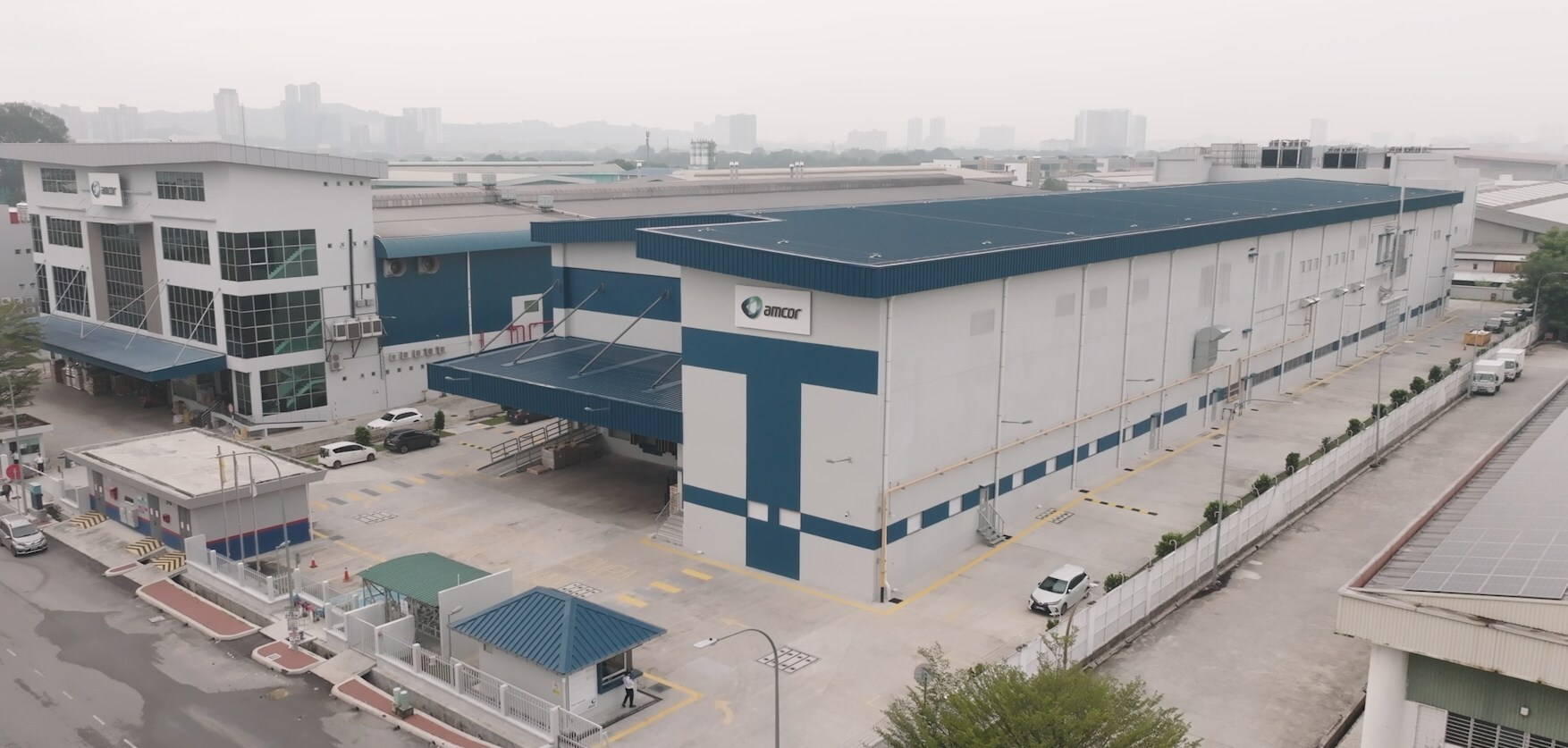
- Amcor has opened a $35m healthcare packaging coating facility in Subang Jaya, Selangor.
- The site produces coated medical paper for sterile medical device packaging using air-knife coating technology.
- The investment adds regional capacity, dual-sourcing options, and shorter supply routes for healthcare packaging.
Amcor has opened a $35 million healthcare packaging coating facility in Subang Jaya, Selangor, expanding its sterile medical packaging capability in Southeast Asia.
The facility will produce coated medical paper used in sterile medical device packaging and forms part of Amcor’s wider healthcare manufacturing footprint in the region. It uses air-knife coating technology and has been developed to support regulated medical packaging requirements, including product protection, quality consistency, and supply continuity.
Amcor has developed the Malaysian site as an integrated operation capable of supporting customers from pilot production through to commercial scale. The facility gives healthcare manufacturers additional dual-sourcing options and reduces dependence on longer-distance supply routes for critical sterile packaging materials.
The plant includes advanced inspection systems, automated manufacturing processes, closed-loop controls, inline quality monitoring, and controlled drying systems. Technical knowledge has been transferred from Amcor’s US team, giving the Malaysian operation access to established coating and healthcare packaging expertise while adding local manufacturing depth.
Healthcare packaging is a critical dependency in medical device and pharmaceutical supply chains. Sterile devices, diagnostics, and healthcare consumables rely on validated packaging materials that can protect sterility through production, distribution, storage, and use. Any weakness in packaging availability can slow release schedules, constrain output, or increase reliance on expedited transport.
Southeast Asia’s medical manufacturing base has continued to expand, supported by electronics, plastics, precision manufacturing, and healthcare production clusters. Malaysia already plays a significant role in medical device manufacturing, and additional packaging capacity strengthens the supporting ecosystem around that base.
Regionalised packaging production can shorten lead times and improve supply continuity for regulated manufacturers. It also gives procurement teams more flexibility when demand changes quickly or when international freight networks face disruption. Long supply routes for essential packaging inputs add cost and risk, especially when products require validated materials and controlled quality documentation.
The investment also reflects a wider shift in regulated supply chains, where localisation and resilience now sit alongside cost and efficiency. Healthcare companies are reviewing supplier footprints with greater attention to continuity, quality assurance, and regulatory control. Packaging suppliers with regional capacity and global technical standards are increasingly important to that model.
Amcor’s Subang Jaya facility adds capacity in a segment where process control, inspection, and documentation are as important as physical output. As healthcare manufacturing continues to grow across Southeast Asia, sterile packaging will remain one of the quieter but essential constraints shaping product availability and supply chain resilience.