IN Brief:
- Claes Retail Group will outsource logistics for JBC, CKS, and Mayerline to Paxon.
- Operations will be consolidated in a new distribution centre in Beringen.
- Logistics employees will be offered transfer opportunities as the transition is phased.
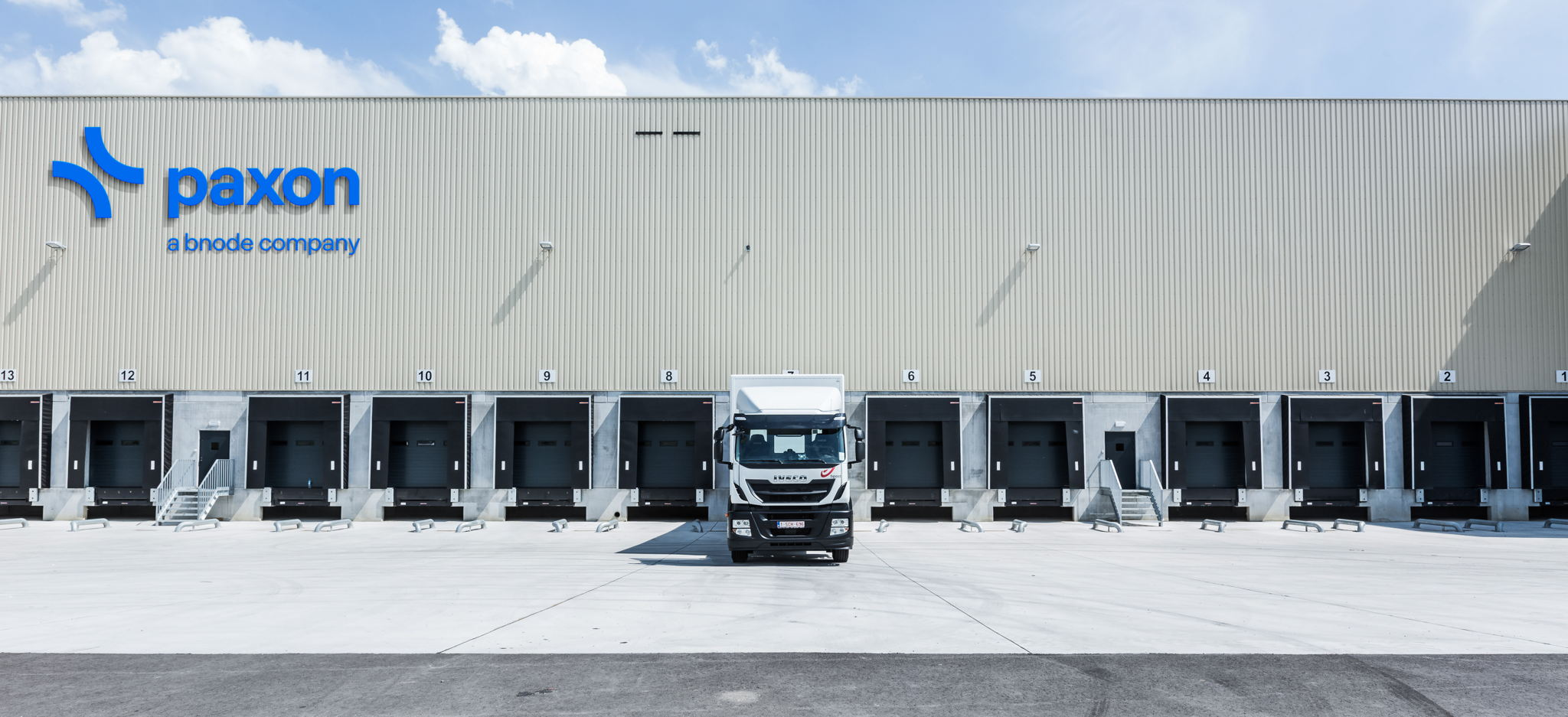
Claes Retail Group will centralise logistics operations for JBC, CKS, and Mayerline with Paxon, consolidating activity into a new distribution centre in Beringen, Belgium.
Paxon, part of logistics group Bnode, will manage logistics flows for the three fashion brands under one centralised model. The transition will be implemented in phases from autumn 2026, with full integration planned by spring 2027.
The move follows an assessment of Claes Retail Group’s existing logistics structure and future plans. Further expansion of in-house logistics activity at the Houthalen site would require significant investment in infrastructure and expertise, while the retail operating environment continues to place greater pressure on speed, flexibility, fulfilment accuracy, and inventory control.
Claes Retail Group logistics employees will have the opportunity to transfer as part of the transition. Around 50 logistics staff are being offered a move to Paxon under Collective Labour Agreement No. 32bis, supporting employment continuity and retention of operational knowledge.
Bart Claes, CEO of Claes Retail Group, said: “The rapidly changing retail landscape and its many challenges also require expertise and speed in logistics. These are two crucial elements that are currently not achievable at the Houthalen site.”
The partnership will take an existing relationship between Claes Retail Group and Bnode into a broader logistics outsourcing model. Paxon specialises in end-to-end logistics for complex and high-value supply chains, bringing warehousing, distribution, and operational expertise into a single service structure.
Retail logistics across Europe is moving through a period of consolidation. Brands are dealing with more volatile demand, higher returns, channel complexity, labour pressure, and tighter service expectations. Centralising logistics can reduce duplication, improve visibility, and provide a clearer basis for automation, transport planning, and inventory optimisation.
The decision also reflects a wider shift towards specialist distribution assets rather than generic warehouse space. In Poland, 7R’s manufacturing and warehouse facility shows how logistics infrastructure is increasingly being configured around defined operating requirements. In fashion retail, the same logic applies to product handling, returns, replenishment, packaging, and store or consumer delivery channels.
For apparel retailers, centralisation can support stock accuracy and more flexible allocation across stores and online channels. It can also strengthen reverse logistics, which remains a major cost and complexity point in fashion supply chains. Returns require inspection, grading, repacking, resale decisions, and fast reintegration into inventory where possible.
The employment element is significant because warehouse outsourcing often raises concerns about workforce continuity. Keeping experienced staff within the new structure reduces implementation risk, particularly during a phased transition where service levels must be maintained while processes, systems, and site responsibilities change.
Beringen also keeps the logistics operation anchored in Limburg. That location gives Claes Retail Group continuity in regional knowledge while moving into a more specialised distribution environment. The phased implementation should allow operational cutover to be managed brand by brand or workflow by workflow, rather than forcing a single high-risk switch.
Outsourcing can bring scale, systems, and logistics expertise, but it requires tight integration between brand teams, stock planning, order management, transport, and warehouse operations. Claes Retail Group’s decision suggests that the cost and complexity of building that capability internally had reached a point where partnership offered the stronger route.
The new Beringen model gives the group a platform for long-term retail logistics, with Paxon taking on the operational role and Claes Retail Group focusing on brand, product, stores, and customer channels.