IN Brief:
- EUROGATE Technical Services is deploying Ultimo across terminals in Bremerhaven, Hamburg, and Wilhelmshaven.
- MaxGrip will support implementation and asset management transformation.
- Around 450 technicians will gain mobile access to maintenance data in the field.
EUROGATE Technical Services is deploying Ultimo’s enterprise asset management system with MaxGrip across its German container terminal network, strengthening maintenance planning, incident management, documentation, and field service execution.
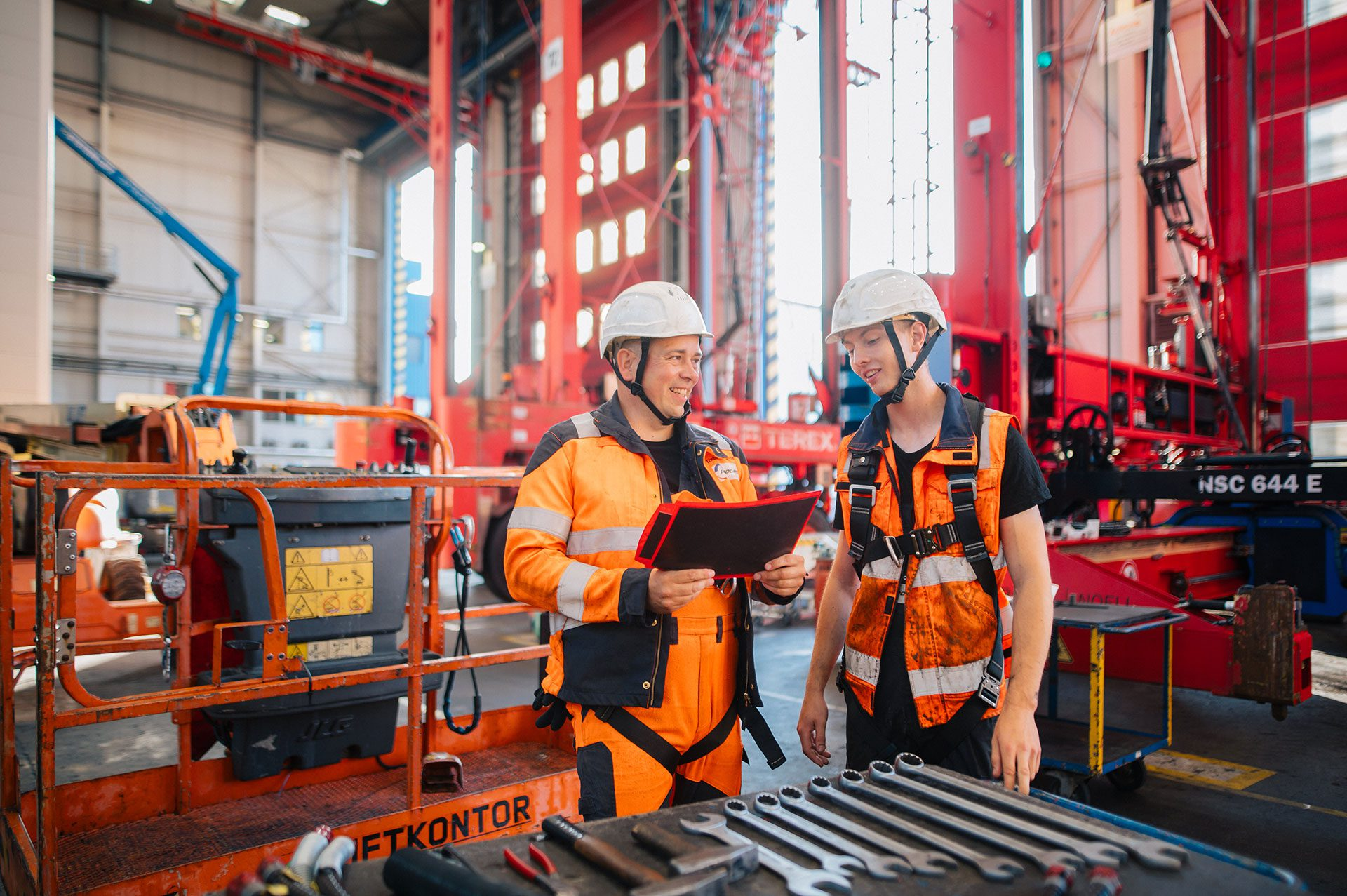
The rollout covers technical operations at terminals in Bremerhaven, Hamburg, and Wilhelmshaven, where EUROGATE Technical Services maintains mission-critical infrastructure for EUROGATE terminals and other operators. Around 450 technicians will gain mobile access to maintenance data at the point of execution.
The programme will move maintenance from an execution-led model towards a more reliability-driven operating structure. Ultimo will support structured planning, incident management, asset data visibility, transparent documentation, and improved decision-making across the technical organisation. SAP ERP will remain in place for financial and administrative processes, with Ultimo operating alongside it as the asset management layer.
Stefan Jann, Managing Director of EUROGATE Technical Services, said: “Implementing a modern asset management platform like Ultimo enables a new standard of reliability, transparency and operational excellence.”
MaxGrip will support implementation, transition from the existing EAM environment, system integration, and asset management best practice. The deployment will be phased across the terminals, allowing EUROGATE Technical Services to build internal capability while reducing disruption to live operations.
Container terminals are under pressure to improve availability while handling larger vessels, tighter port calls, rising labour costs, and greater equipment complexity. Cranes, vehicles, conveyors, power systems, communications infrastructure, and automation assets all need higher levels of visibility as ports digitise. A maintenance fault can quickly become a vessel delay, berth constraint, yard bottleneck, or onward transport issue.
The investment sits alongside wider European freight infrastructure upgrades. FedEx’s Duiven road freight hub expansion in the Netherlands adds dock doors and palletised freight capacity to a strategic network node. Different parts of the network are being strengthened, but capacity is only valuable when the operational assets supporting it remain reliable.
Digital maintenance also changes how terminal operators manage resilience. Many engineering teams have relied on a mix of experienced technicians, reactive work orders, manual records, and local knowledge. That knowledge remains valuable, but it is harder to scale across multiple sites when equipment fleets become more complex and performance expectations rise.
Mobile access to maintenance records gives technicians better information during inspections, repairs, and incident response. It also improves data quality because work can be logged closer to the asset and closer to the time of intervention. Over time, that creates a more reliable basis for analysing recurring faults, prioritising capital replacement, and moving towards predictive maintenance.
EUROGATE Technical Services has already identified advanced analytics, AI-supported performance optimisation, and predictive maintenance as future priorities. Those capabilities depend on clean asset data, disciplined workflows, and consistent maintenance records. The new platform therefore creates a foundation for later automation and analytics rather than simply replacing an older system.
For port customers, the value sits in uptime, responsiveness, and transparency. Terminal reliability affects shipping lines, hauliers, forwarders, manufacturers, retailers, and importers because port delays ripple into inland distribution and inventory planning. Better maintenance control will not remove external disruption, but it can reduce the risk of local technical failures adding avoidable pressure to already stretched supply chains.
The rollout gives EUROGATE Technical Services a more structured way to manage the assets underpinning German container flows. As ports become more automated and data-led, maintenance is moving from a support function to a central part of terminal performance.