IN Brief:
- Maersk is using road and rail landbridge routes to move Gulf cargo around disrupted maritime corridors.
- Around 5,000 containers a week are being handled through alternative overland operations.
- Food, medicine, industrial goods, and containerised cargo remain exposed to cost and lead-time pressure.
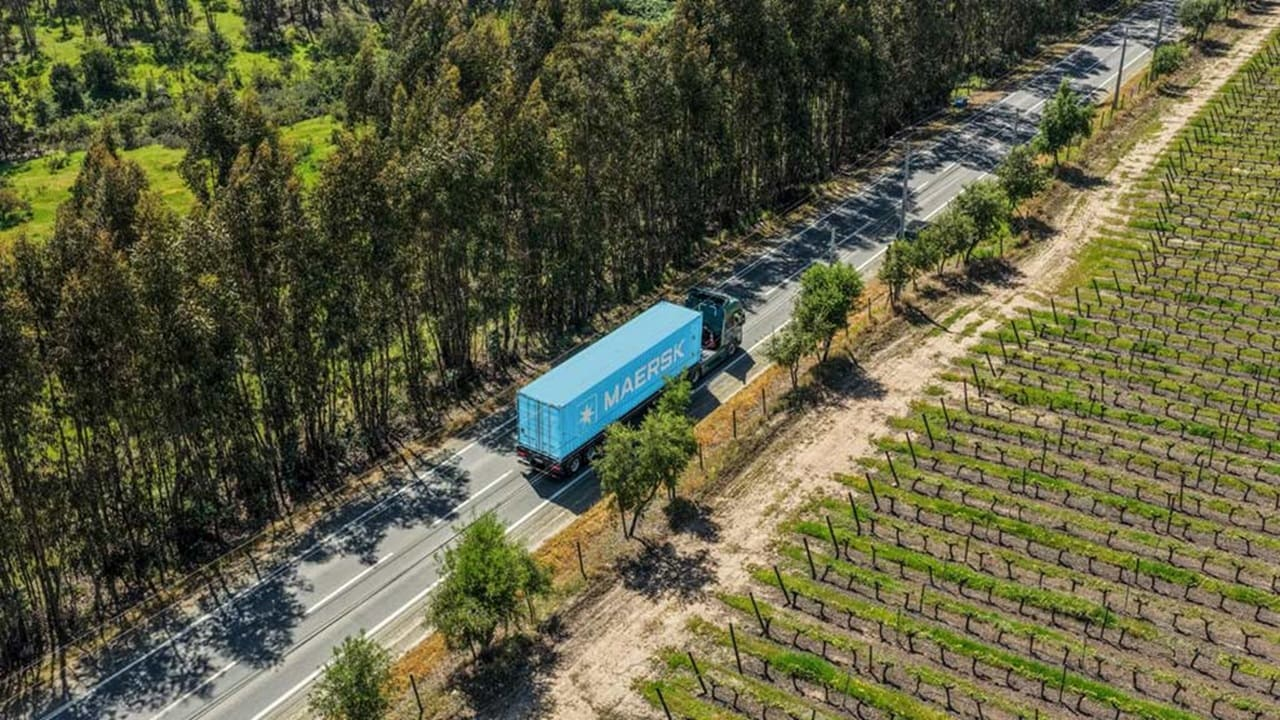
Maersk is moving around 5,000 containers a week by road and rail through Middle East landbridge routes as disruption around the Strait of Hormuz pushes cargo onto alternative corridors.
The operation is keeping containerised goods moving into Gulf markets while avoiding maritime routes affected by security risk. Maersk has been using trucks and trains across corridors serving eastern Saudi Arabia, Oman, and the United Arab Emirates, adding inland capacity where conventional ocean routings have become harder to rely on.
Landbridge movements are more expensive and slower than normal maritime routing, but delays are being contained in days rather than weeks. For cargo owners moving food, medicines, chilled and frozen products, industrial inputs, and replacement parts, that gap can determine whether supply remains workable or begins to break down.
At the start of the disruption, tens of thousands of Maersk containers were already moving towards the Middle East. A large share has now been delivered, while remaining volumes are awaiting final overland legs or have yet to reach the region. The landbridge operation is therefore both a recovery mechanism and a live alternative for continuing flows.
Regional distribution models can change quickly when maritime risk increases. Gulf supply chains depend heavily on predictable container flows through ports, inland terminals, and distribution centres, with food and healthcare flows particularly sensitive to delay. Road and rail alternatives cannot replace deep-sea economics, but they can protect continuity where stockouts, production stoppages, or cold-chain failures would carry a higher cost.
The Gulf is also becoming more important to UK and European exporters. The UK-GCC trade agreement targeting customs barriers is expected to support trade in food, medical equipment, advanced manufacturing, and industrial goods, but route resilience will determine how reliably those goods reach customers when regional networks are under strain.
Landbridge routing brings its own constraints. Truck availability, driver management, border clearance, transhipment points, rail capacity, security rules, documentation, and inland distribution capacity all become critical. As more cargo shifts inland, pressure moves away from the sea lane and into customs posts, yards, inland terminals, and road networks.
For shippers, alternative routing can no longer sit as a theoretical contingency. It has to be costed, contracted, and tested before a crisis forces a rapid switch. That includes identifying which stock lines justify landbridge routing, which can tolerate longer lead times, and which need air freight, regional inventory, or supplier substitution.
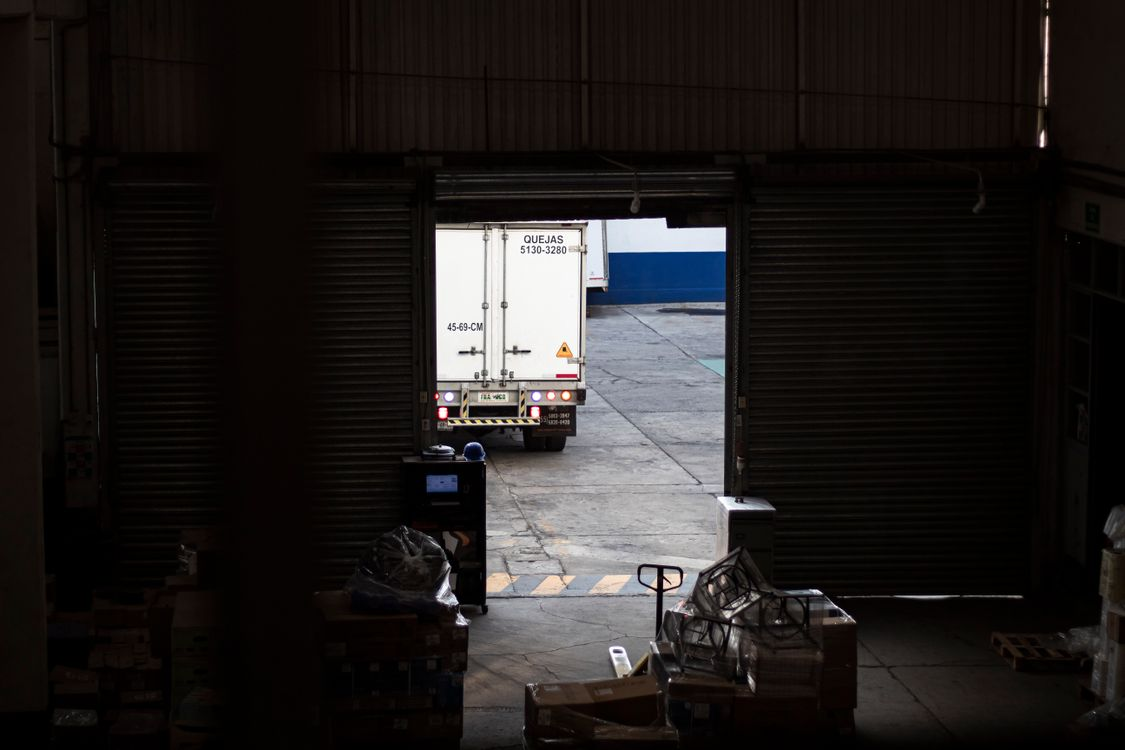
Food and pharmaceutical cargo make the trade-off especially sharp. Chilled and frozen loads need reliable power, temperature monitoring, and controlled handover points. Medicines and medical devices require custody control, documentation, and route validation. Industrial customers may prioritise production-critical parts even where freight costs rise sharply.
Shipping lines are being pushed deeper into multimodal problem-solving as geopolitical risk affects maritime networks. The Gulf landbridge may not become a permanent substitute for conventional ocean freight, but it shows how carriers, shippers, and regional authorities are building more resilient distribution structures around uncertain sea access.
Capacity, customs performance, and cost discipline will decide how far landbridge logistics can move from emergency workaround to stable planning option. If disruption continues, inland corridors will become as important to Gulf supply resilience as the ports they are built to support.