IN Brief:
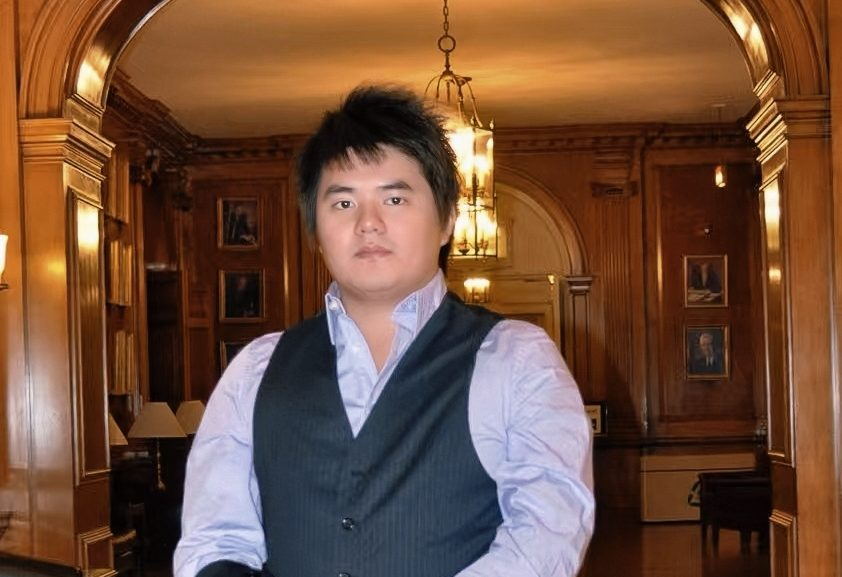
- Richard Xu will join LEMAN as Head of Pharma in China on 6 May.
- The appointment adds medical device and regulated logistics experience to LEMAN’s China operation.
- China remains a critical market for healthcare, pharma, and compliant logistics networks.
LEMAN has appointed Richard Xu as Head of Pharma in China, strengthening its local healthcare and pharmaceutical logistics capability in one of the world’s largest regulated supply chain markets.
Xu will join the company on 6 May. His background combines logistics experience with work in the medical devices sector, including regulated products and complex supply chains. The appointment forms part of LEMAN’s development of its pharma and healthcare operations in China.
The role is focused on reliable and compliant logistics solutions for healthcare customers. Pharmaceutical and medical device supply chains carry tighter requirements than general cargo, with documentation, temperature control, product integrity, batch traceability, and handling procedures all influencing service design.
Medical devices and pharmaceutical products also create different logistics demands from conventional consumer or industrial goods. Speed remains important, but process discipline is equally critical. Shipments require correct documentation, defined escalation routes, validated operating procedures, and trained teams familiar with regulated product flows.
China is a major manufacturing base for medical devices and pharmaceutical inputs, a fast-growing healthcare market, and an important node in global healthcare trade. That combination creates logistics complexity across inbound and outbound movements, customs processes, warehousing, transport, bonded operations, and temperature-controlled networks.
International healthcare companies operating in China need logistics structures that connect global service standards with domestic regulatory and operational requirements. Distribution networks may need to link coastal gateways, inland production centres, hospital systems, distributors, and specialist storage facilities across a large and varied geography.
Pharma logistics has become increasingly specialised as therapies, devices, and clinical supply chains have grown more complex. Healthcare customers now expect sector-specific leadership, dedicated procedures, GDP-aligned operating models, and staff who understand the consequences of documentation errors, temperature excursions, or delayed exception handling.
Medical device supply chains are especially demanding because they often combine high product value with varied handling profiles. Some devices require clean, secure, and documented movement without the same thermal profile as biologics, while others sit closer to pharmaceutical-grade requirements. The logistics model must be precise enough to protect product integrity without making every movement unnecessarily slow or expensive.
Healthcare supply chains have also been reassessed heavily in recent years as companies examine supplier concentration, regional inventory levels, emergency stock, and cross-border exposure. Stronger in-country leadership gives logistics providers a better base for aligning customer requirements with local execution, rather than relying solely on global service templates.
China’s healthcare market adds scale to that challenge. Fast domestic demand growth sits alongside international sourcing, export flows, hospital procurement, and a regulatory environment where documentation and product classification can shape the logistics route. A pharma logistics operation needs commercial development, compliance knowledge, and practical transport execution working together.
LEMAN’s China appointment strengthens its sector capability at the point where those demands meet day-to-day operations. As pharma and healthcare logistics become more specialised, local leadership will carry increasing influence over whether global standards can be delivered consistently across complex domestic networks.