IN Brief:
- Mapletree is targeting a mid-2026 first close for its emerging Asia logistics development fund.
- The closed-end fund is expected to hold logistics development assets with AUM of up to US$1.8bn when completed.
- The fund reflects continued institutional demand for warehouse and logistics infrastructure across emerging Asian markets.
Mapletree is targeting a mid-2026 first close for its Mapletree Emerging Growth Asia Logistics Development Fund, a closed-end vehicle expected to hold development assets with total assets under management of up to US$1.8bn when completed.
The fund, known as Mega, is focused on logistics development opportunities in emerging Asian markets. A second close is planned later in the year, with equity commitments already secured from institutional investors including a sovereign wealth fund, a pension fund, and a national investment company.
First announced in June 2025, the fund had initially been targeted for closure by the end of that year. The updated timetable moves the first close into mid-2026, while the investor profile continues to point to appetite for Asian logistics development linked to trade, manufacturing, consumption, and regional distribution.
Mapletree’s wider platform combines real estate development, investment, capital management, and property management. Its logistics exposure across Asia Pacific gives the group a base from which to originate, build, and manage assets in markets where modern warehousing demand remains unevenly supplied.
Logistics property across emerging Asia is being shaped by demand growth and sharper investor scrutiny. Requirements for modern warehousing, cold chain space, e-commerce fulfilment, and manufacturing-linked distribution remain strong in many markets, but higher financing costs, land competition, planning complexity, and cautious tenant decision-making have made project selection more demanding.
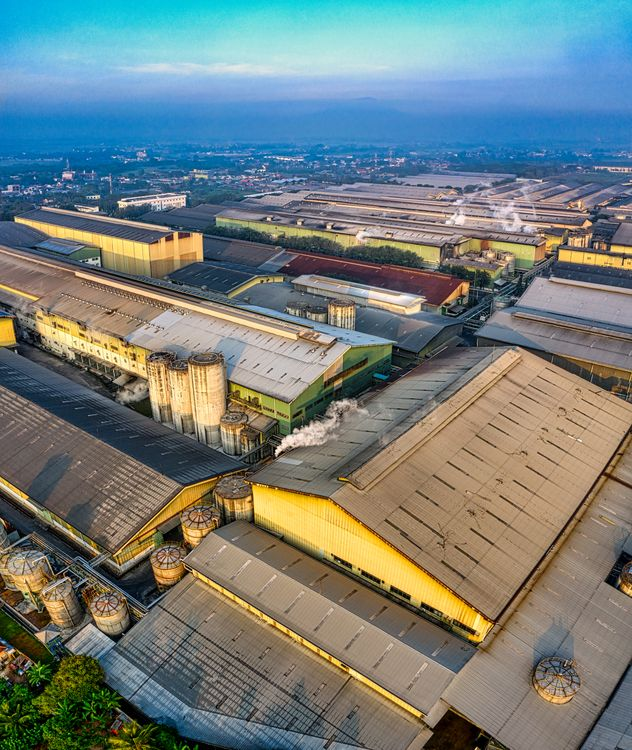
Emerging Asia remains attractive because the logistics estate in several markets still lags behind the requirements of modern supply chains. Older warehouses often lack adequate floor loading, dock configuration, fire systems, temperature control, automation readiness, security, yard depth, and transport access. Those gaps become more exposed as manufacturers and retailers demand better inventory visibility, faster fulfilment, and more reliable stock positioning.
Regional logistics infrastructure is also changing in specification. Automated distribution hubs, bonded logistics facilities, temperature-controlled warehouses, and higher-throughput fulfilment centres are being developed around trade corridors and domestic consumption centres. The warehouse is now an operating platform, not simply an enclosed storage asset.
Institutional capital is paying closer attention to the quality of tenant demand. Assets serving manufacturers, consumer goods, healthcare, automotive, technology, and food distribution can offer different risk profiles from generic speculative warehousing. Development platforms with local execution capability are better placed to match those tenant requirements to land availability, building standards, and transport corridors.
That execution capability is especially important in emerging markets, where logistics locations may be reshaped by new ports, highway corridors, industrial parks, free trade zones, and airport cargo investments. Early positioning can create value, but it also raises development risk when supporting infrastructure or tenant absorption takes longer than planned.
The fund’s revised timetable reflects a more selective capital market. Logistics real estate enjoyed a sharp rise in investor attention when distribution resilience and e-commerce demand became board-level concerns. The market has since become more disciplined, with investors less likely to reward logistics exposure on theme alone. Location strength, tenant depth, development control, and operating relevance are carrying more weight.
Mapletree’s emerging Asia fund is therefore a useful signal for the next phase of logistics property investment. Capital is still available, but it is concentrating around platforms that can develop assets suited to changing supply chain requirements. In markets where land, labour, regulation, and transport capacity remain uneven, execution quality may become the real differentiator.