IN Brief:
- Motril Port Authority approved 79,107m² at the Azucenas quay and logistics zone for Noatum Automotive Motril.
- The concession lasts 15 years, with a possible five-year extension; Noatum has worked under temporary authorisation since March.
- The operation has handled 21,322 vehicles on 16 calls, but the authority has not published the cost or construction timetable of permanent facilities.
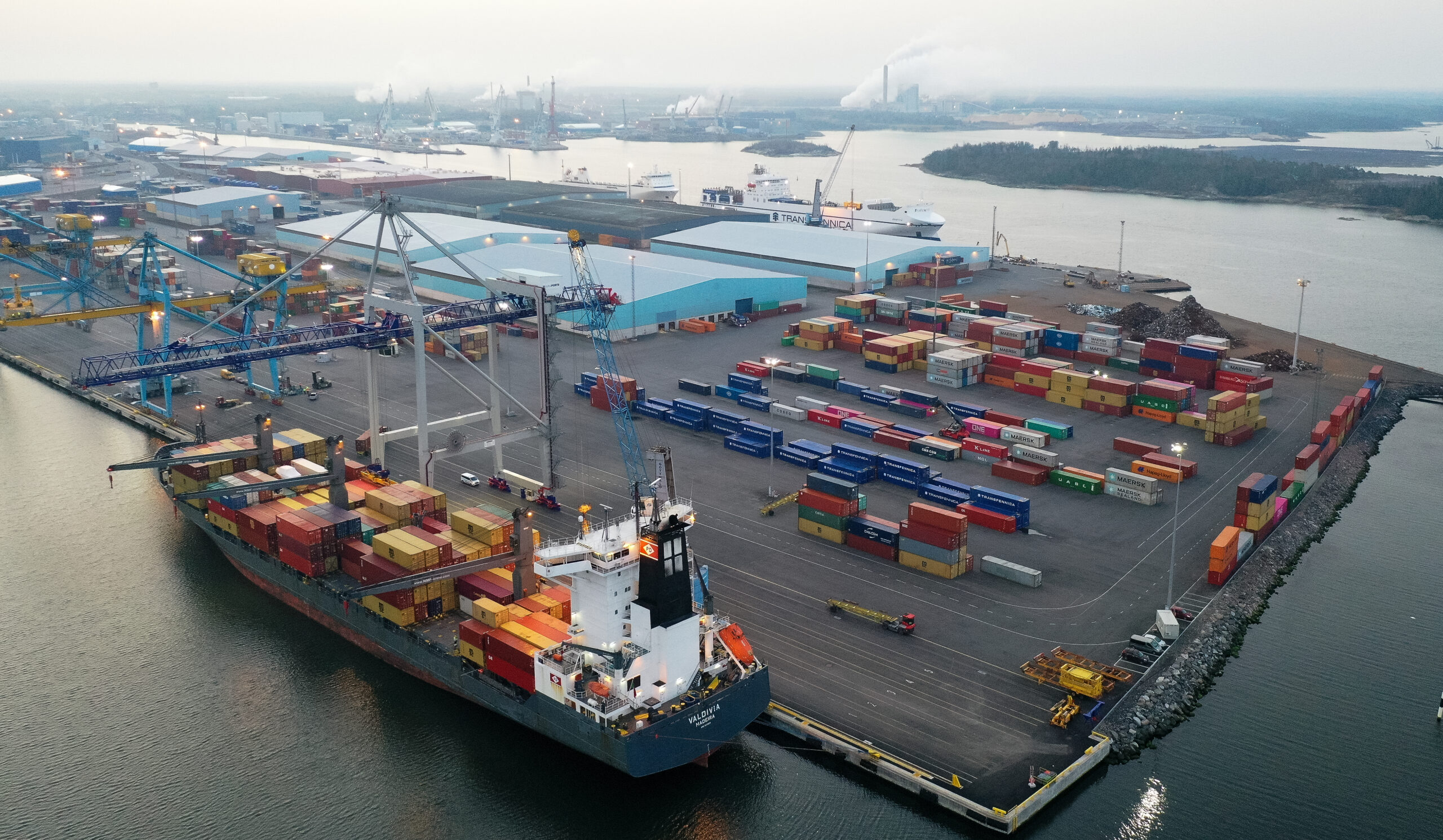
Noatum has secured a 15-year vehicle logistics concession at the Port of Motril in southern Spain, covering 79,107 square metres at the Muelle de las Azucenas and the adjoining logistics activities zone. The port authority approved Noatum Automotive Motril’s application on 12 November, with an option to extend the concession for a further five years. The company has been handling vehicles at Motril under temporary authorisation since March, so the decision establishes longer-term rights for an existing activity rather than marking its first vehicle shipment.
Since beginning the operation in March, Noatum Automotive Motril has handled 21,322 vehicles across 16 vessel calls, according to the port authority. In its busiest individual discharge, recorded in August, 2,322 vehicles were unloaded. These figures describe traffic already processed at the port; they are neither a new annual target nor a measure of the ultimate capacity of permanent facilities proposed under the concession.
The concession covers storage, handling, management and distribution of wheeled cargo, principally vehicles. Ships discharge cars and other units into a staging area, after which personnel check identities and condition, allocate parking positions and arrange onward transport. Outbound cargo follows a related sequence in reverse, with vehicles assembled for a specified vessel and loading order. Handling depends on secure yard access, accurate vehicle records and enough manoeuvring space to move units safely without unnecessary repositioning.
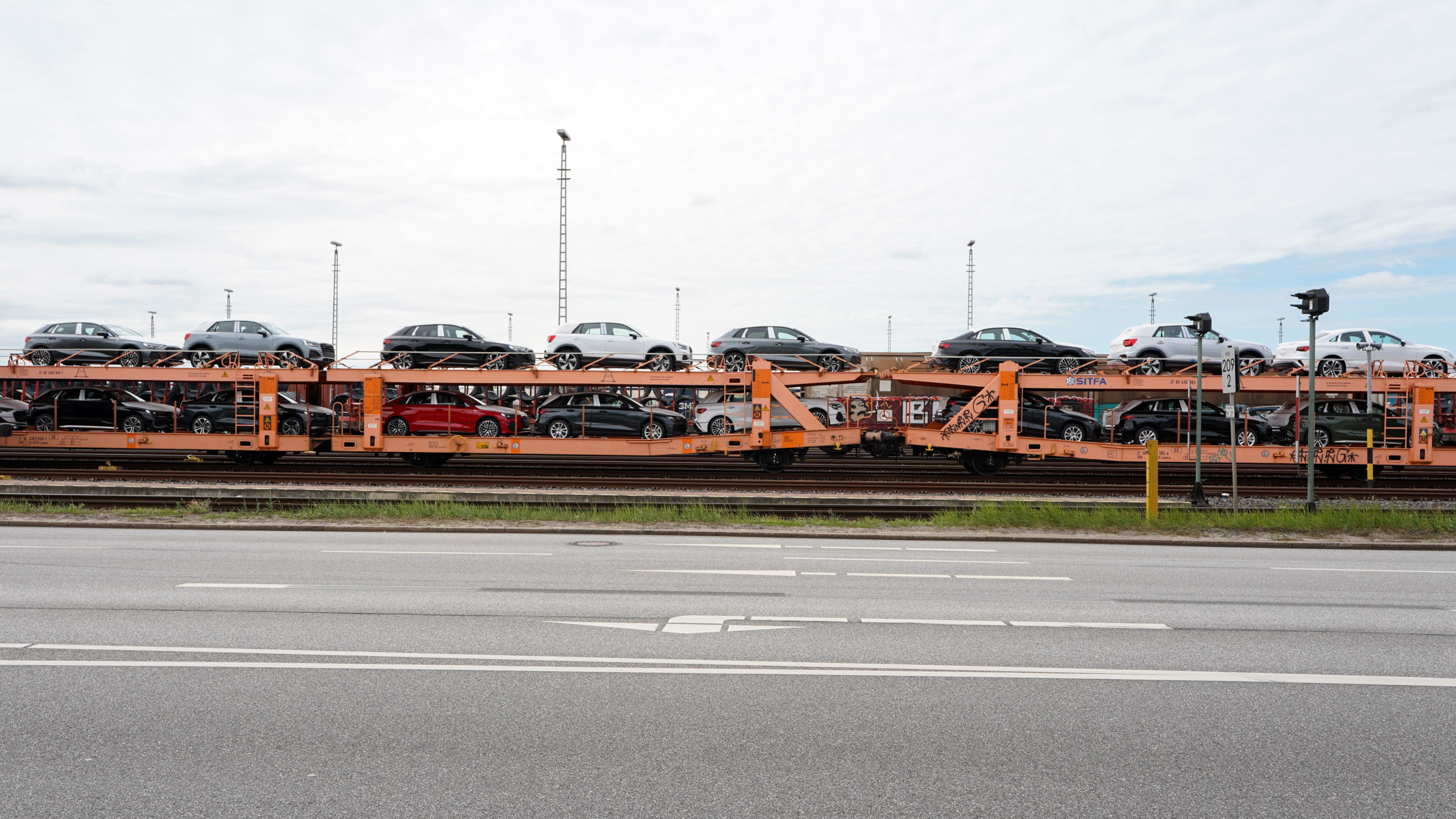
Vehicles imported for distribution to Spanish dealerships are already passing through Motril. From the quay, each vehicle must be identified, checked and directed into an assigned yard area before collection by a road transporter or onward processing. Arrivals from several shipping customers may have different release deadlines, documentation requirements and inland destinations. The concession permits logistics and handling functions, but the port has not identified a specific new inspection workshop or accessory-fitting line.
Export consolidation is another element of the proposed operation. The port authority describes assembling vehicles at Motril for onward shipment to Mediterranean destinations, including smaller consignments moved on smaller vessels. That arrangement can offer a route for cargo that does not justify a full direct large-vessel call at every destination. It still requires coordination between inbound deliveries, yard storage and vessel departure dates, because waiting time and additional handling can materially affect the cost of a short sea movement.
The allocation spans the Azucenas quay and the logistics activities zone, which provides space for the interface between waterside handling and inland distribution. An automotive yard needs vehicle parking layouts, controlled circulation routes and systems to track each unit from discharge to release. Operational capacity is influenced by the number of usable parking spaces, the average dwell time and how quickly vehicles can be moved through gates. The approved surface area is therefore not itself a measure of annual vehicle throughput.
The approval follows an earlier reorganisation of the customs area at Muelle de las Azucenas. The port authority had been adapting access and manoeuvring space to separate working cargo equipment from customs infrastructure and to support new concession arrangements. That preparation makes the waterside-to-yard interface an immediate operational issue. The detailed design, construction stages and completion timetable for Noatum’s permanent installation have not been disclosed.
A 15-year concession provides a longer planning horizon than the temporary authorisation used since March. Yard surfacing, entry controls, traffic layouts and information systems can require sustained investment, especially where a terminal is handling vehicles from several cargo owners. Motril’s authority says Noatum envisages investment in a dedicated automotive logistics hub but has not released capital expenditure, a finished site plan or a forecast of annual vehicle capacity. The new operating rights should not be confused with completed construction.
The port is seeking to build automotive traffic alongside its existing maritime activities. A useful vehicle gateway needs both dependable sailing calls and inland transport connections: a short transfer distance from the ship may offer little benefit if cars remain parked awaiting a truck or a departure slot. Concentrating several smaller export consignments at Motril could support more efficient Mediterranean sailings, provided the yard can assemble the correct batches in time for each vessel.
Ro-ro vessel operations also place particular demands on terminal discipline. Vehicles are driven between ship and yard, so queuing, speed control, damage prevention and clear vehicle identification have direct consequences for safe throughput. Yard staff must handle changes to unloading order, vehicle condition exceptions and the sequence in which units are released to road transport. Standardised records are especially important when vehicles are owned by different manufacturers, importers or logistics customers sharing the same facility.
Noatum operates automotive logistics services elsewhere in Spain and the United Arab Emirates. At Motril, the port authority wants the concession to secure and develop traffic already established this year. Future investment, the frequency of shipping services and the extent of Mediterranean exports will determine whether the site grows beyond its current throughput. The 21,322 vehicles handled so far provide a baseline, not evidence that new routes or customers have already been contracted.
The confirmed development is a long-term concession covering a defined vehicle logistics site, following the start of operations in March and preparatory work around the Azucenas customs area. Vehicle handling will continue while the permanent investment programme is developed. The port authority has not provided the cost or opening timetable for the proposed facilities; subsequent construction milestones and regular vessel volumes will establish how the concession changes Motril’s operating capacity.