IN Brief:
- SecondBite has begun constructing a 1,500m² cool room and freezer facility beside its existing Derrimut operation.
- TMX Transform is providing project management expertise without charge, and Harris HMC is delivering the building.
- The expansion is designed for fluctuating donated-food volumes, with construction completion targeted for the first quarter of 2027.
SecondBite has begun building a 1,500m² cool room and freezer facility beside its existing Derrimut operation in Victoria, expanding the refrigerated space available to receive, hold and distribute surplus food. Harris HMC is constructing the facility, with logistics consultancy TMX Transform providing project management services without charge. Completion is targeted for the end of the first quarter of 2027.
The facility is intended to accommodate larger quantities of fresh produce and other food that retailers and suppliers would otherwise be unable to sell. SecondBite distributes rescued food through charity and community organisations, making the speed and condition of inbound deliveries significant to how much can reach recipients. The development is therefore a warehousing and distribution investment as well as an expansion of refrigerated floor area.
Food donations enter the network without the predictability of a normal purchasing plan. A retailer may offer additional fresh produce after a promotion, a demand change or rejection of cosmetically imperfect stock, often with limited notice. Receiving teams need enough flexibility to accept mixed loads, check usable shelf life and choose an appropriate storage location before products deteriorate.
Uncertain arrival patterns complicate dock allocation and put-away. A conventional warehouse can staff receiving bays and preassign pallet locations against incoming orders; a food relief facility often has to reorganise work around unexpected volumes and mixed product temperatures. Frozen or chilled goods need to be identified and directed promptly to suitable temperature-controlled areas rather than left in an unrefrigerated staging zone.
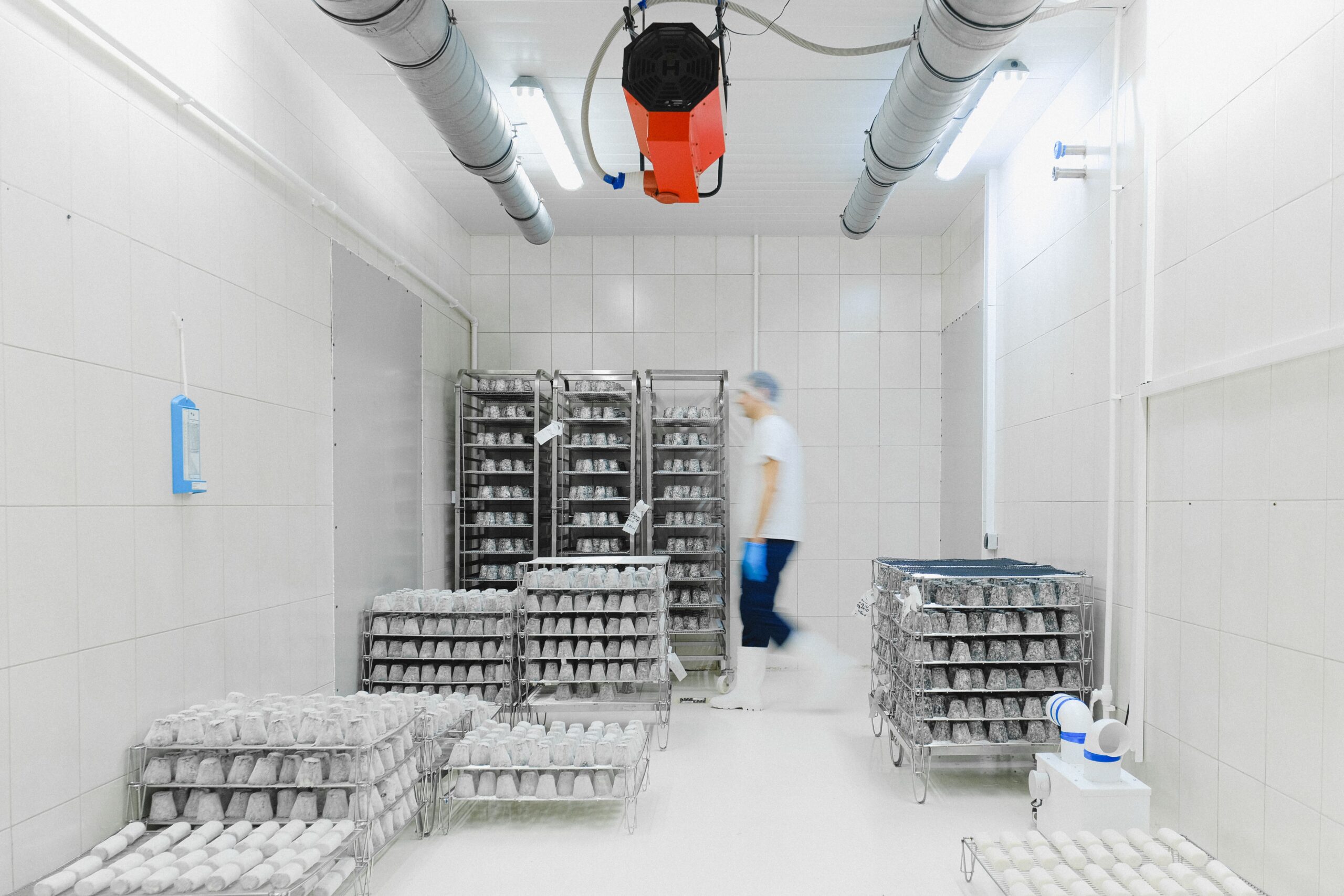
The new Derrimut development combines cool room and freezer provision, although individual chamber capacities, temperature settings, refrigeration plant details and pallet positions have not been disclosed. Its stated 1,500m² area should not be translated into a claimed number of tonnes or pallets. Capacity depends on the share of space allocated to storage, safe racking height, access aisles, picking areas, staging and the separation of different product types.
Temperature control creates an additional scheduling constraint. Fresh food may have a narrow remaining shelf life when collected, while frozen products must be kept within their required storage conditions during unloading, sorting and onward dispatch. Doors, loading areas and refrigerated equipment all influence the time a product spends outside its prescribed conditions. The project material does not specify the energy system or any measured improvement in food waste expected from the expansion.
TMX Transform is contributing construction project management and operational expertise on a pro bono basis, while Harris HMC is delivering the building. Milan Andjelkovic, TMX’s co-founder and chief operating officer, has described unpredictable quantities and product mixes as a central design constraint. The emphasis on flexible layouts and surge capacity reflects that variability rather than an assumption that every delivery will follow a repeatable schedule.
That design priority also affects outbound operations. Charity partners need consignments that can be handled at their own premises, often with limited storage and transport resources. Sorting a mixed inflow into usable outbound loads depends on accurate product identification, remaining shelf life and the ability to coordinate collection or distribution. Additional central cold storage can buffer variations, but it cannot by itself solve shortages of transport or receiving capacity.
Across its network, SecondBite says it has rescued 26.8 million kilograms of surplus food during 2026, equivalent to roughly 53 million meals. Those figures relate to the charity’s overall activity, not the output or design throughput of the unfinished Derrimut building. It also reports that 94% of supported agencies have faced higher demand than a year earlier, adding pressure to the storage and distribution arrangements connecting donors with community organisations.
SecondBite also set out a longer-term plan in July to increase food relief capacity in Victoria with state government support. That programme provides wider investment context, although the November project details do not identify an amount of government funding allocated to this particular 1,500m² building. The present construction contract and the broader expansion programme should therefore remain distinct.
Daniel Moorfield, SecondBite’s chief executive, has linked the need for additional infrastructure to a greater supply of recoverable food and growing demand from charity partners. Redirecting surplus into food relief can avoid disposal, but the usable quantity depends on handling, storage and distribution capacity as well as the condition of individual products. The new building is intended to increase the volume that the organisation can manage safely.
The new building is scheduled for completion in Q1 2027, with no contract value or forecast annual tonnage disclosed. Once it begins operating, recorded inbound volumes, temperatures, handling losses and time to onward distribution will show how much capacity the extra refrigerated floor area contributes during peaks in donated-food arrivals.