IN Brief:
- Source Logistics has connected its IFS Softeon WMS with a customer portal at 32% of its locations.
- The portal combines records from the new WMS and legacy systems to show inventory, orders, inbound dock activity, and shipment documents.
- The remaining facilities are targeted for connection by Q2 2027; network-wide completion has not been achieved.
Source Logistics has connected its IFS Softeon warehouse management system (WMS) with its Next Gen Customer Portal at 32% of the company’s facilities. Customers can access information held in the new WMS and in older warehouse platforms through a common interface. The US third-party logistics operator is targeting connection of the remaining locations by Q2 2027; the software migration and portal rollout are still in progress.
IFS Softeon manages the warehouse transactions being standardised across the network, while the customer portal displays information drawn from both Softeon and legacy systems. Source identifies inventory positions, order statuses, inbound dock activity, and shipping documentation among the records made available. A common viewing layer allows customers to consult several operating systems without implying that every warehouse has already switched to the same underlying WMS. The quality of the view still depends on accurate records from each connected site.
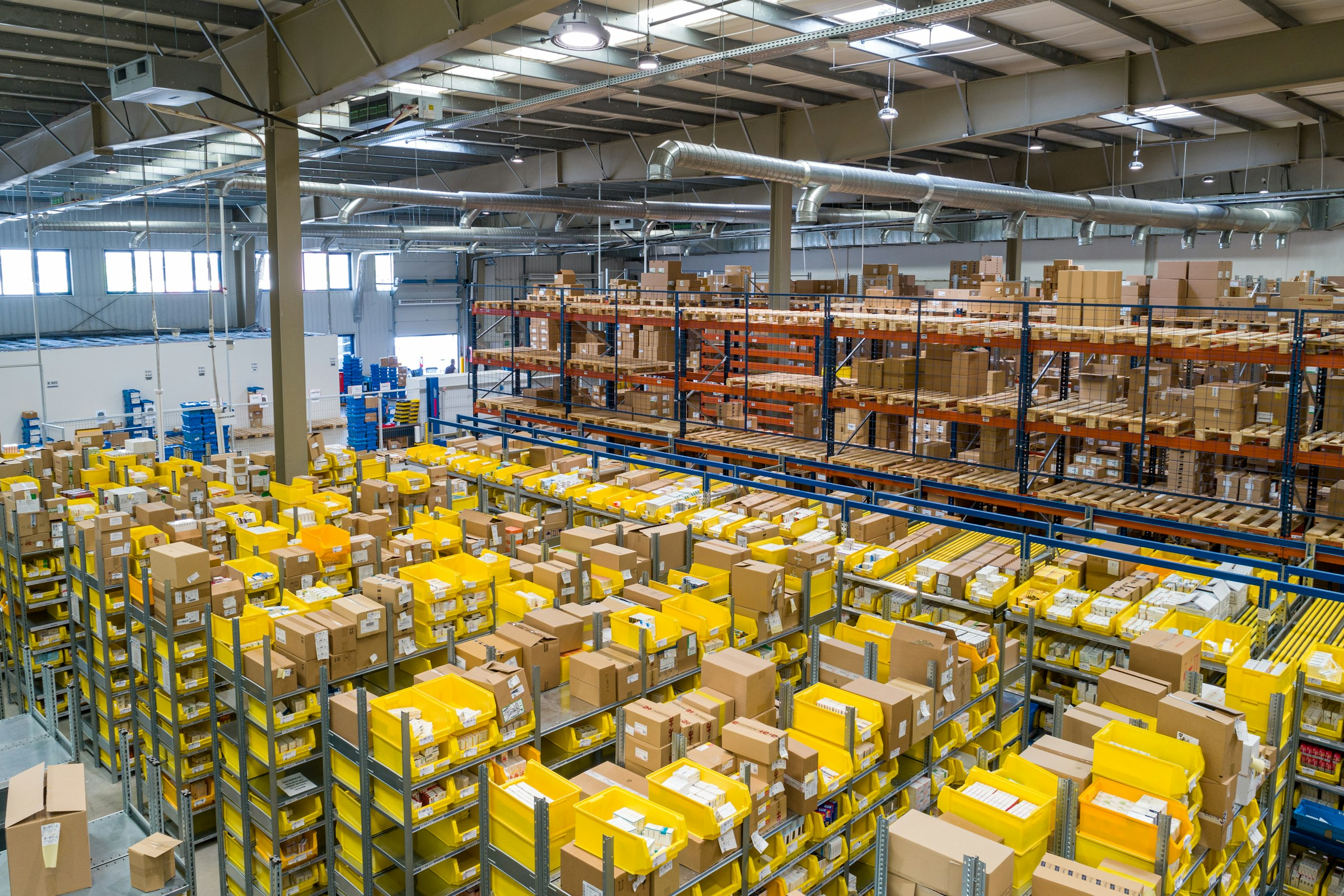
Source describes a network of 25 locations and more than 5.8 million square feet of distribution space meeting FDA- and SQF-related requirements. It handles ambient, refrigerated, and frozen goods, with food and beverage operations alongside other consumer and health-related products. Inventory traceability, storage temperatures, product inspections, and shipping requirements can differ substantially between customers and facilities. A common platform has to preserve those controls while making inventory and order information consistent enough for consolidated reporting.
The WMS programme began with a phased rollout, including Source’s Montebello, California, warehouse, identified in March as the initial implementation site. Alpine Supply Chain Solutions supports the work. The November figure provides a fresh measure of progress at 32% of facilities, but the company has not given a site-by-site completion schedule or published a measured increase in warehouse productivity attributable to the integration. It would be premature to describe the whole network as operating a unified WMS.
A warehouse management system holds operational transactions such as where stock is stored, which lots are available, which orders are released, and whether picked units have passed the relevant confirmation steps. A customer portal can present those records to a shipper without giving that customer direct access to internal warehouse controls. Maintaining that separation allows a 3PL to expose useful information while protecting task execution, access permissions, and data belonging to other customers who share the same facility.
Legacy warehouse platforms may record similar events in different ways. Order identifiers, stock availability definitions, timestamps, units of measure, and the distinction between allocated and physical inventory can all require mapping before a common portal can display them consistently. A number shown as available in one system could include stock that another system classifies as reserved. Source has not described the reconciliation rules used where records disagree or the refresh frequency of each data feed.
The portal also provides information about incoming dock activity, which affects how orders can be fulfilled from arriving stock. A warehouse may have a confirmed inbound appointment without having received or checked the goods. Goods can then move through unloading, receipt, quality checks, and put-away before becoming available for allocation. Showing those steps accurately can help customers distinguish a planned receipt from usable inventory, although the portal’s current depth and refresh frequency for each site have not been independently measured.
The operator has also introduced yard and dock functions that allow drivers to check in using geofenced QR codes and receive door allocations by text message. Dwell-time monitoring and escalation alerts are intended to connect scheduled truck activity with the vehicle’s physical arrival and movement on site. A scan or message can improve visibility of a gate event, but it must still match the correct load, vehicle, and warehouse appointment. Source has not published independently measured reductions in vehicle queues following the changes.
Food and beverage distribution makes record consistency particularly important because goods can be subject to lot traceability, shelf-life controls, and customer-specific delivery windows. A customer may need to know which shipment contains a particular production lot or whether an inbound load has been received before confirming a retailer delivery. The company describes improved visibility as a goal, but it has not disclosed independently verified reductions in stockouts, missed appointments, or retailer penalties after the portal connection.
The new interface is also intended to connect with clients’ enterprise resource planning, transport, and ecommerce applications. Such interfaces can reduce repeated manual data entry only when both sides agree on field definitions and how updates are handled. A shipper changing an order in its own system needs confirmation that the warehouse has accepted the change before picking begins. An interface that transmits data without clear acknowledgement can leave different parties working from inconsistent instructions.
Source is exploring automated customer responses and exception detection using the records collected through the portal. Those functions cannot reliably establish a pallet’s physical location when a scan has been missed or an event has been entered incorrectly. During a phased WMS migration, the same query may also depend on which warehouse system holds the record. The company has not provided accuracy results for those planned functions or announced a separate deployment timetable.
Source aims to connect its remaining facilities by Q2 2027. The next operational milestones are the transfer of additional sites onto the common information layer and the continued handling of customer orders without gaps in inventory and shipment records. The verified November position is 32% connectivity between the warehouse systems and portal, with the larger network rollout still outstanding.