IN Brief:
- Thessaloniki’s Pier 6 expansion is the port’s largest upgrade project.
- The development will support ULCV calls and increase terminal capacity.
- The project strengthens South-eastern Europe’s role in alternative freight corridors.
Thessaloniki Port Authority is advancing the expansion of Pier 6, the largest upgrade project in the history of the Port of Thessaloniki.
The construction works contract was signed with the METKA S.A. – TEKAL S.A. joint venture, formally launching the main construction phase. The project carries a total budget of €195.6m and an implementation period of 40 months.
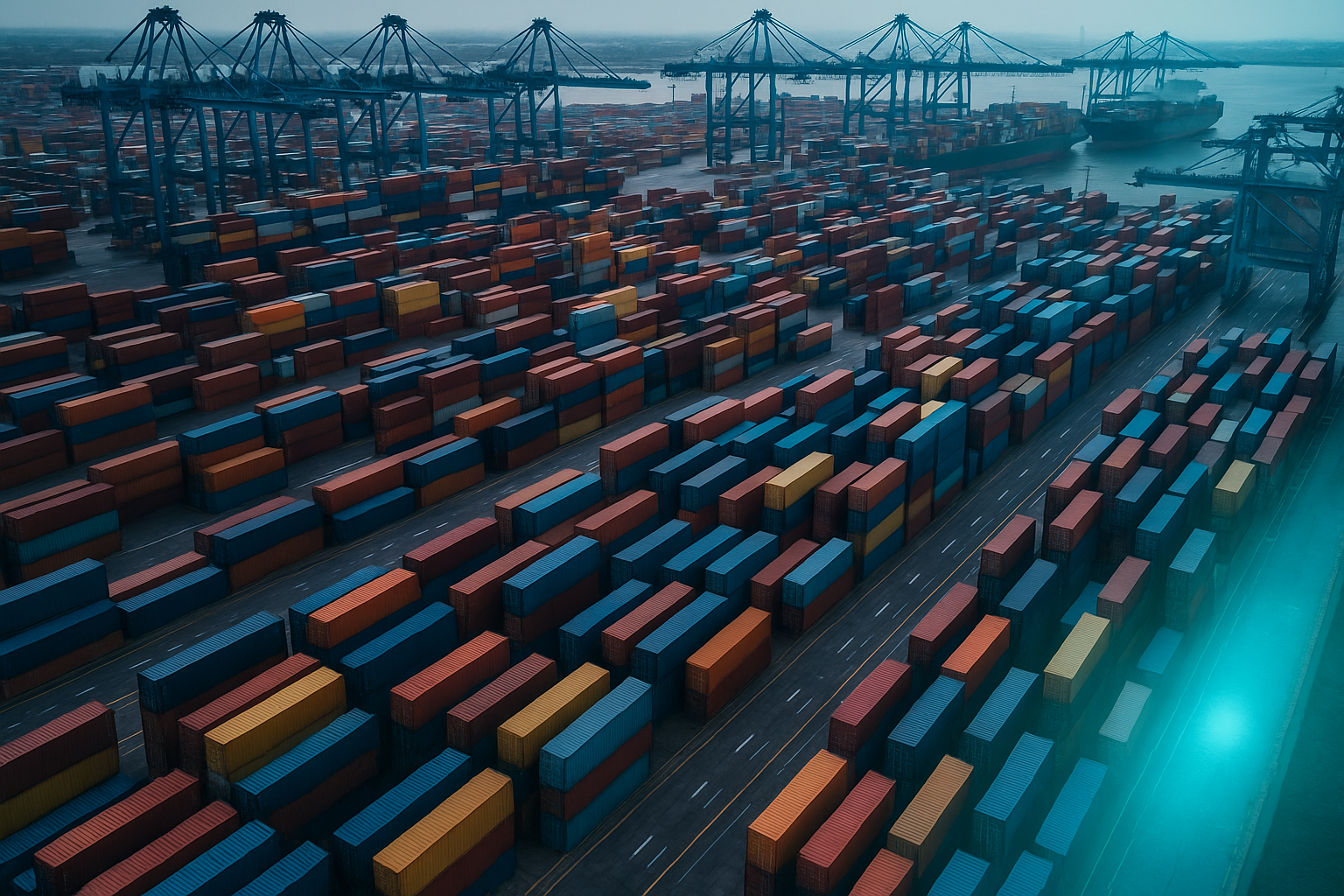
The expansion covers the construction of additional port infrastructure at Pier 6, including an extra length of 513 metres, a width of 306.5 metres, and significant dredging of the navigation channel and vessel manoeuvring area. The work is designed to allow the port to serve ultra-large container vessels of up to 24,000 teu.
Once complete, the project is expected to raise the container terminal’s capacity from 650,000 teu to 1.5m teu. The port will be able to serve a higher number of container vessels simultaneously and strengthen its position as a gateway for South-eastern Europe.
Although the investment is centred on a single pier, its value depends on the wider freight system around it. Larger vessel calls need quay length, depth, cranes, yard capacity, road access, rail links, customs processes, and digital coordination to work together. Without that full system, additional berth capacity can simply move congestion into the terminal yard or onto inland corridors.
European ports are being forced to adapt to larger ships, concentrated call sizes, route disruption, and heavier pressure on hinterland connections. The same pattern is visible in APM Terminals’ Spanish gateway investment, which includes more than €156m in Barcelona, new ship-to-shore cranes in Valencia, and electrification measures to support container operations. Gateway investment is increasingly being planned around resilience, energy infrastructure, and landside movement rather than berth capacity alone.
Thessaloniki’s geography gives the project added weight. The port sits close to Balkan and Central European markets, giving it potential value for cargo moving beyond Greece into Serbia, Bulgaria, North Macedonia, Romania, and wider inland networks. The ability to handle larger vessels could increase its appeal as carriers and shippers look for alternatives to overloaded or geopolitically exposed routes.
That search for alternatives has become more urgent. Maritime disruption, port congestion, inland bottlenecks, labour constraints, and emissions rules are all changing how cargo enters and crosses Europe. Northern range ports remain central to the continent’s container system, but southern and eastern gateways are attracting greater attention where they can offer reliable access to inland demand.
The Pier 6 expansion also sits within a broader Greek logistics push. Deeper terminals, new logistics parks, rail connections, and port-linked freight infrastructure are being positioned around Greece’s role as a transit platform between the Mediterranean, the Balkans, and Central Europe. The port’s ability to convert additional quay capacity into dependable inland movement will shape how much of that ambition becomes operational capacity.
For shippers and forwarders, the significance lies in options. A stronger Thessaloniki gateway could support alternative routings, shorter inland distances for some Balkan cargoes, and reduced dependency on more congested corridors. Those benefits will require dependable sailing schedules, competitive terminal performance, transparent charges, and strong road and rail links beyond the port fence.
The project will take several years to complete, but the direction is clear. European port competition is moving towards gateway systems that can combine vessel access, terminal productivity, inland reach, and resilience under pressure. Pier 6 gives Thessaloniki a stronger physical platform for that competition, while the harder work will be turning expanded infrastructure into reliable supply chain capacity.