IN Brief:
- Rail works will affect services between Vado, Genoa, La Spezia, and inland Italian terminals.
- Closures around Verona, Vicenza, Ovada, and the Vado–Verona route will reduce capacity at different stages.
- High-cube restrictions and limited trucking alternatives could prolong recovery after individual cancellations.
Maersk has warned customers to prepare for reduced rail capacity, longer transit times, and service cancellations as summer engineering affects routes between Italy’s Ligurian ports and inland terminals through mid-September.
Connections serving Vado Ligure, Genoa, and La Spezia will continue where paths remain available, although diversions and overlapping closures will leave the network with less flexibility to recover when individual trains are delayed.
Between 2 and 16 August, closure of the Verona–Vicenza railway may constrain services linking the Ligurian gateways with Padua. A second phase running from 17 August to 14 September will close the route through Ovada, restricting capacity for 40ft high-cube containers moving from Liguria towards inland hubs.
The most direct interruption will occur from 24 to 29 August, when rail services between Vado and Verona will be unavailable in both directions. Containers booked during that period will need to wait, move by truck, or be reassigned through another inland terminal or port.
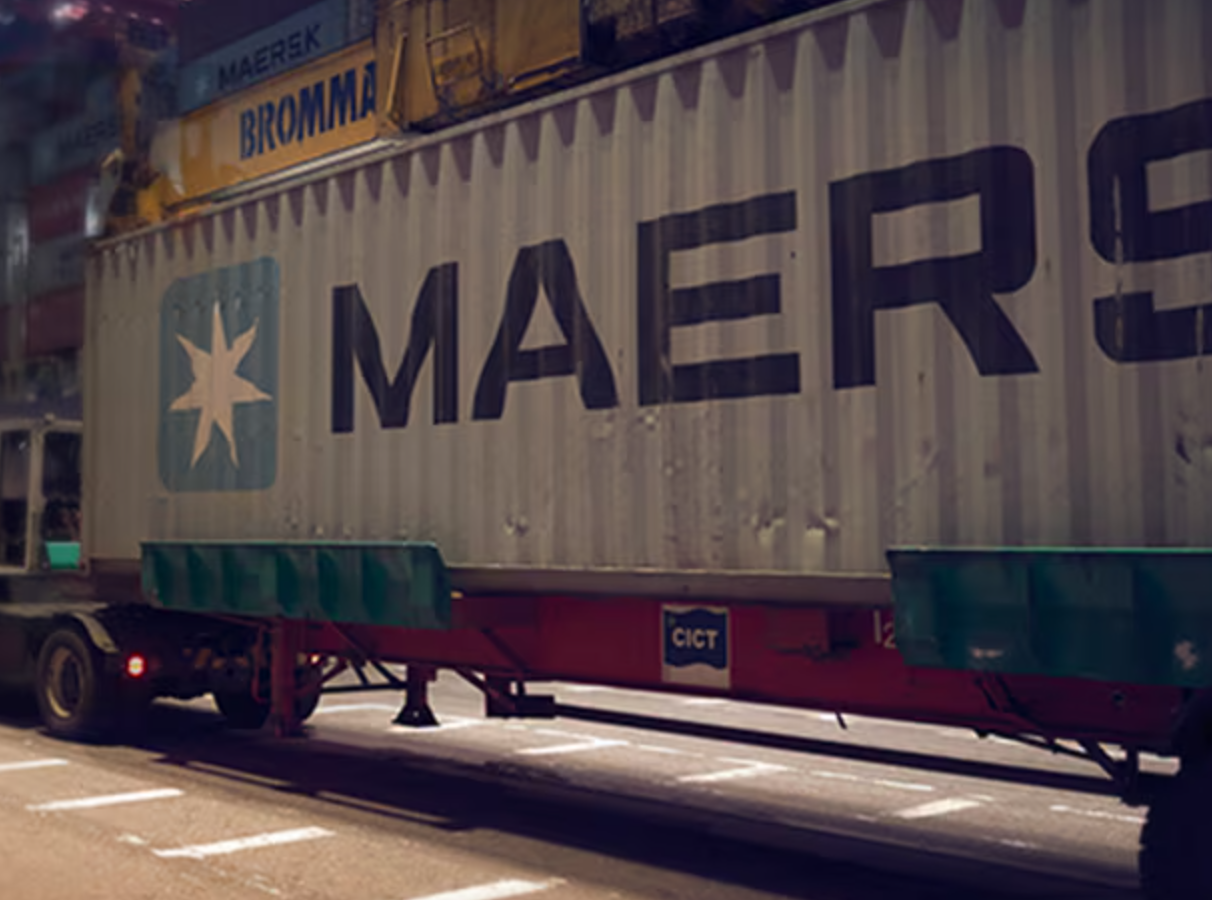
Dimensional limits on the remaining routes mean that some high-cube equipment cannot simply be transferred onto an alternative train. The issue is particularly significant because 40ft high-cube containers account for a substantial share of manufactured, retail, automotive, and consumer-goods traffic.
Maersk will continue to offer trucking alternatives, but additional costs associated with rail restrictions will be charged to customers. Road capacity may tighten as several operators pursue the same fallback option during an already busy holiday and construction period.
Planned engineering provides more warning than an unexpected infrastructure failure, although advance notice cannot create replacement train paths, drivers, chassis, or terminal slots. Several closures affecting connected corridors at once narrow the range of practical contingencies.
Ligurian ports serve northern Italy, Switzerland, southern Germany, and parts of Central Europe, with inland rail supporting both port competitiveness and terminal fluidity. Mountain geography, motorway congestion, and the distance to major industrial markets make a rail-dependent model commercially attractive, but they also concentrate traffic onto a limited number of corridors.
When inland trains are cancelled, import containers remain in the port yard for longer and occupy space needed for subsequent vessel calls. Export boxes may miss terminal cut-offs, leaving shippers to pay storage and rebooking charges while production schedules and customer deliveries move out of sequence.
Known closures still move risk downstream
Shippers can advance bookings, widen delivery windows, and examine alternative terminals, yet those options diminish once manufacturing dates, customs entries, and vessel schedules are fixed. A container carrying components for a timed assembly process cannot always wait several days for the next available train.
Road diversion introduces its own bottlenecks because hauliers need drivers, tractor units, chassis, port appointments, and enough legal hours to complete the inland journey. Additional truck movements also increase gate transactions at terminals whose operations were planned around a proportion of containers leaving by rail.
Warehouse booking systems may need to accept wider arrival windows, since holding a rigid dock appointment against an uncertain train arrival merely moves congestion from the railway into local yards and roads. Labour planning becomes more difficult when a large inbound consignment can arrive several hours early, several days late, or in smaller roadborne batches.
Importers may choose to increase buffer stock before the restrictions begin, particularly where components are difficult to source or production stoppages would be expensive. That response consumes warehouse space and working capital, while increasing the risk of excess inventory if demand changes.
Port selection will also be reconsidered, although moving cargo through an Adriatic or northern European gateway can add sea distance, inland mileage, and additional handling. An alternative is valuable only when the complete door-to-door route remains more reliable than waiting for Ligurian capacity to recover.
A direct rail corridor linking Abruzzo manufacturers with Gioia Tauro illustrates the wider attempt to give Italian industry more gateway options. New services, however, need stable cargo volume, compatible terminals, and dependable paths before they can absorb disruption on established routes.
The restrictions expose the difference between nominal network capacity and capacity available to freight at a particular time. Railways may carry substantial annual volumes while remaining vulnerable when passenger movements, engineering access, gauge limitations, and terminal opening hours converge on the same corridor.
Accurate status information will be critical because uncertainty often generates more cost than a confirmed cancellation. A shipper waiting for a train which is later withdrawn may lose the opportunity to secure trucking capacity or an alternative vessel connection.
Carriers, rail operators, ports, and terminals will need to update estimated departures and arrivals quickly enough for warehouses and factories to alter labour and production plans. Static schedules provide little value once recovery from an earlier closure begins affecting later services.
The engineering programme is intended to improve sections of the Italian rail network, but its immediate effect will be a tighter intermodal system during August and early September. Backlogs could continue after each line reopens because locomotives, wagons, drivers, containers, and terminal slots will no longer be positioned as planned.
Businesses using Vado, Genoa, and La Spezia will need to treat the period as a constrained operating season rather than a normal timetable interrupted by occasional works. Contingency transport carries a visible premium; missed production, vessel cut-offs, and slow recovery can prove considerably more expensive.